






Auvergne, a land of volcanoes, cheeses, wines and rich history: is how we experienced the region during our stay at the Hôtel Littéraire Alexandre Vialatte in Clermont-Ferrand, following an initial stop at the fairytale-like Château de Codignat. In fact, the poet Alexandre Vialatte wrote in his book “L’Auvergne absolue” that “Auvergne produces ministers, cheeses, and volcanoes”. We were reminded of this daily by the quote displayed above the headboard of our bed at the hotel dedicated to him, located in the heart of Clermont-Ferrand and boasting a spectacular view of the city.
Clermont-Ferrand and the volcanic area

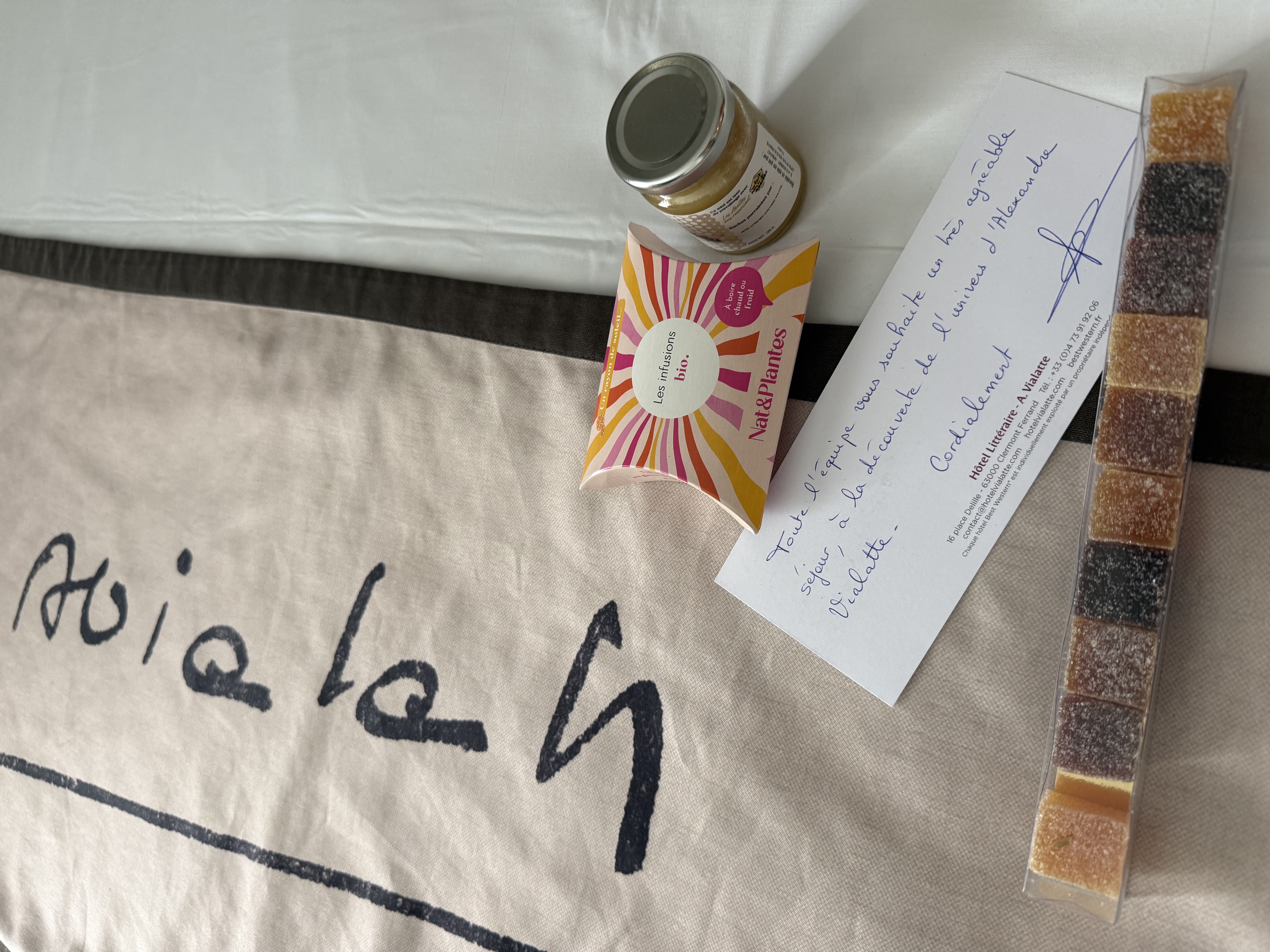
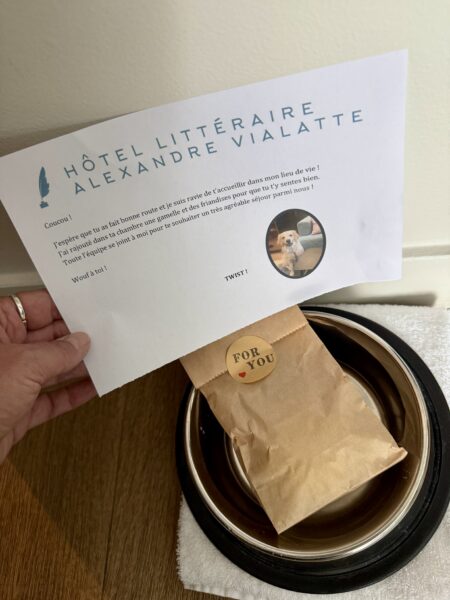
We wanted to explore this wonderful region more deeply and enjoy its wines along the way. The hotel served as the perfect base for discovering this “black city” built from Volvic lava stone—and its surroundings, a landscape of extinct volcanoes and charming villages. It features a very convenient garage and a wonderfully kind staff who pampered both us and our dog, Otto, treating us to tasty snacks and a thoughtful welcome note. As for the room? It was comfortable and well-equipped, featuring a desk area with a selection of books by Vialatte and a stunning view of the city skyline.

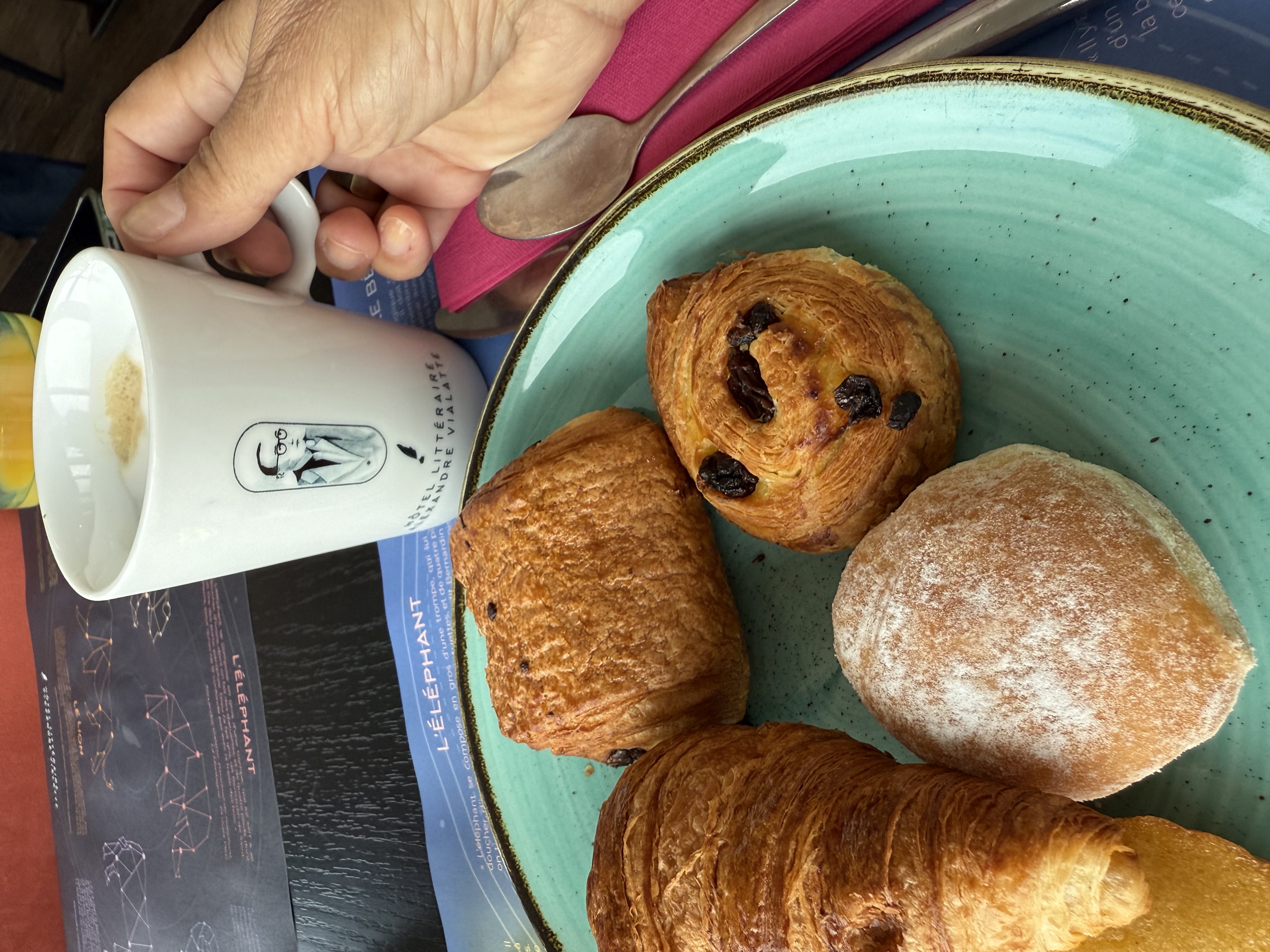

This marked the start of our discovery of Clermont-Ferrand with our Italian guide, Grazia, who showed us firsthand how Auvergne is one of those places that, once discovered, stays in your heart forever. Having arrived here for the Erasmus program, she never left, and now she promotes the region’s beauty and history through guided tours for the Tourist Office.
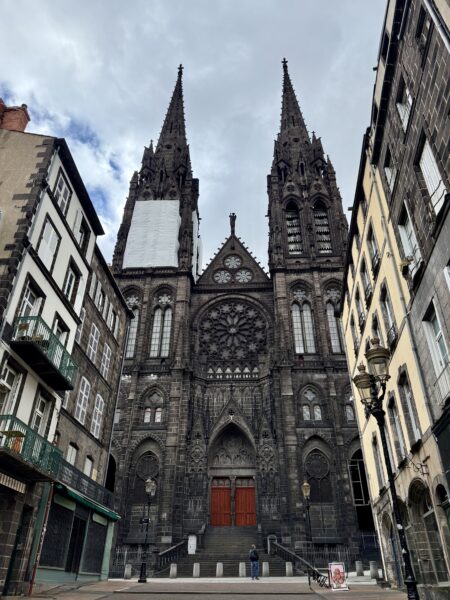

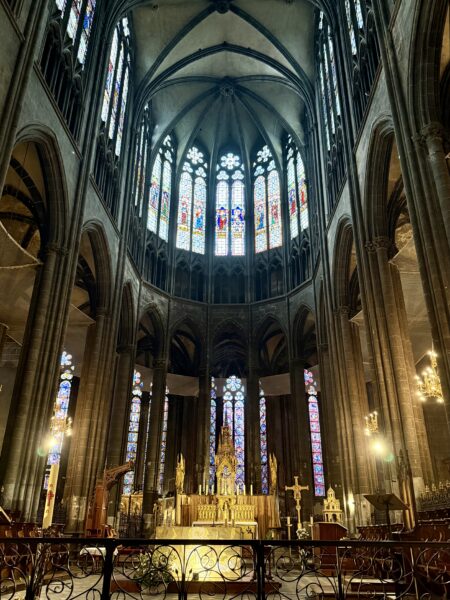
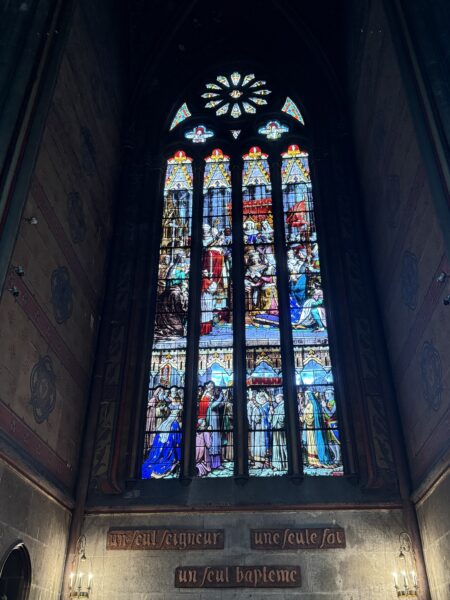
The first stop was the city’s landmark, visible from afar: the Cathedral of Notre-Dame de l’Assomption. One of the finest in France, it is distinguished by the soaring spires added in the 19th century by architect Viollet-le-Duc and by the black volcanic stone used in its construction over the course of seven centuries. Inside, the magnificent stained-glass windows are enchanting, creating a striking contrast between their brilliant colors and the dark architectural elements.
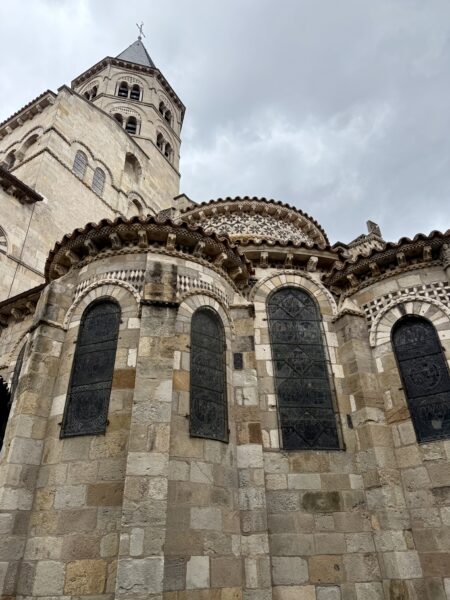

Another church worth visiting in Clermont-Ferrand is the Basilica of Notre-Dame du Port, which stands out from the city’s other buildings because it is constructed of light-colored stone. This Romanesque gem—a UNESCO World Heritage site and a significant stop on the Way of St. James—captivates visitors with its impressive octagonal bell tower and the alternating use of light and dark tones.
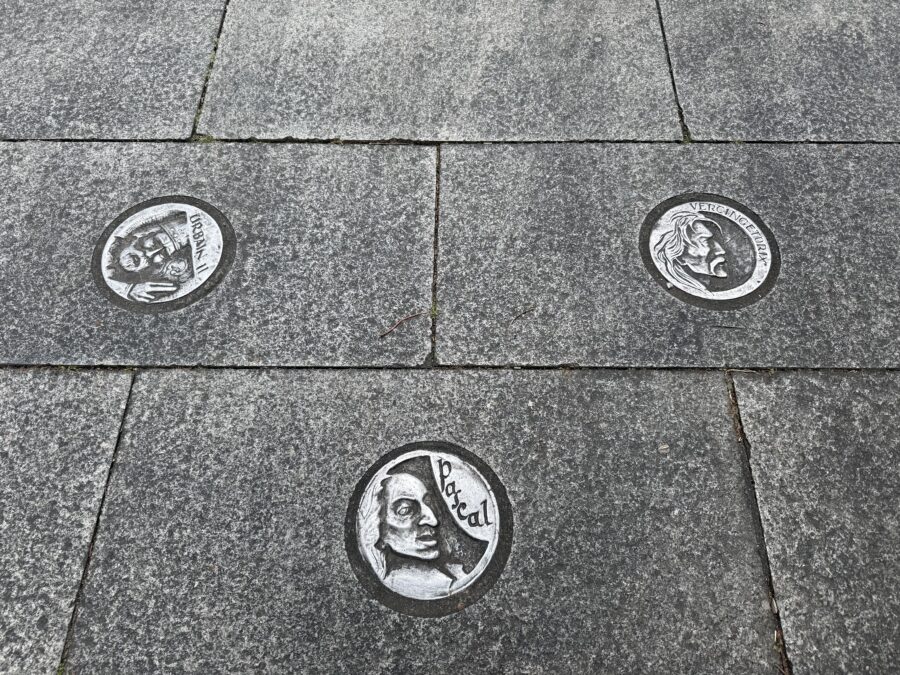
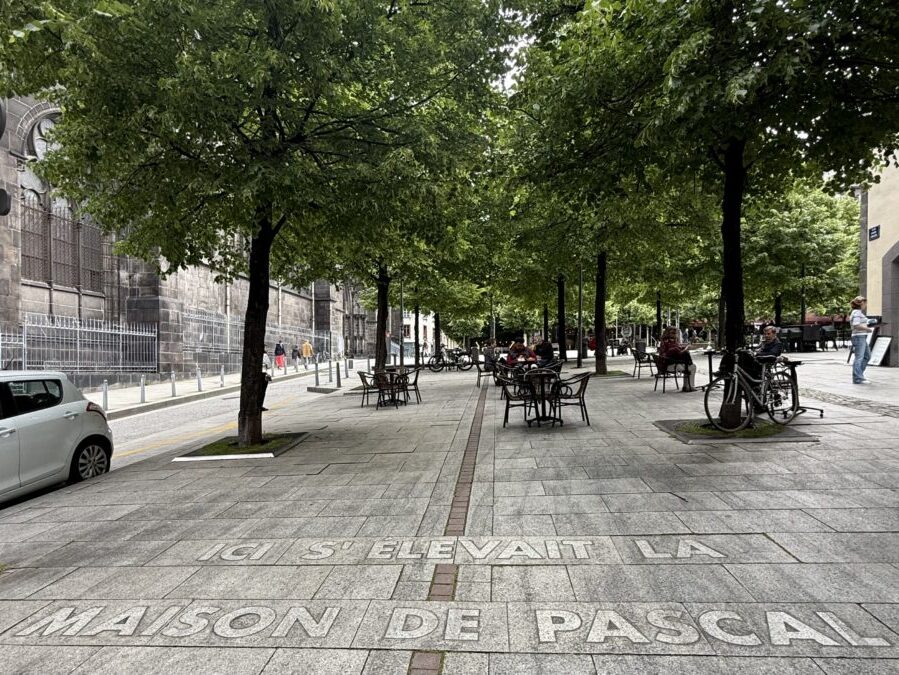
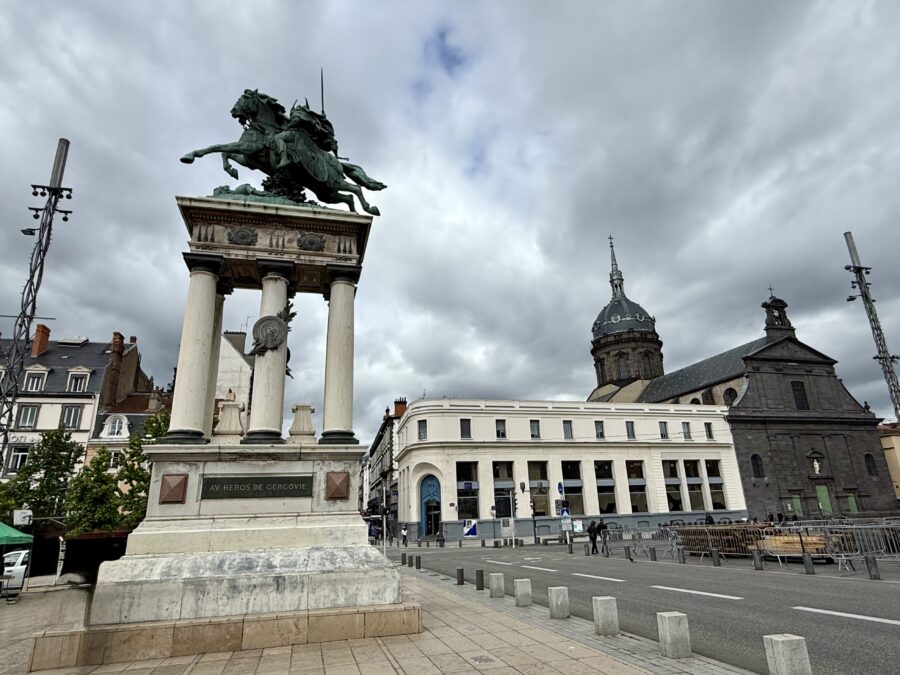
During our walk through the city, we were introduced to the three key figures of its history. Grazia pointed them out to us as depicted on the pavement; much like the owls in Dijon, they mark the routes to follow. They are Blaise Pascal, a mathematician, physicist, and philosopher born in Clermont-Ferrand in the 17th century, Pope Urban II, who launched the First Crusade, and Vercingetorix, the Gallic commander who inflicted a crushing defeat on Julius Caesar and his Roman legions in 52 BC. A large equestrian statue in the central Place de Jaude – the work of sculptor Auguste Bartholdi, who also created the Statue of Liberty – commemorates this historic victory.
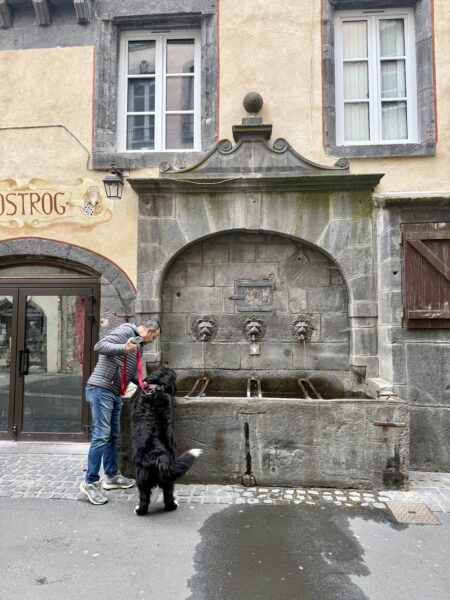
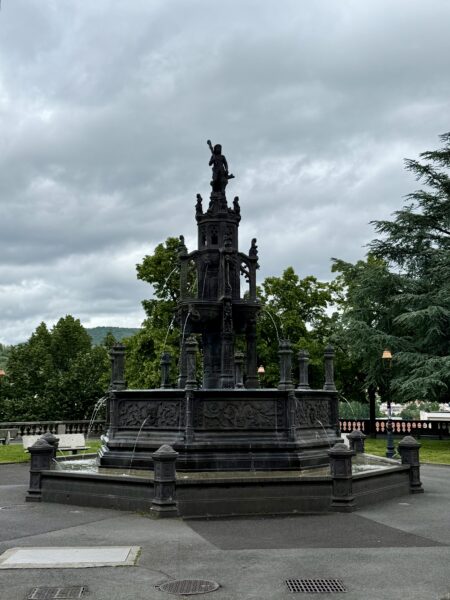

Beyond visiting the monuments, it is delightful to wander aimlessly, discovering whimsically shaped fountains and murals tucked away in the maze of narrow streets that wind up from the Port district to the cathedral.
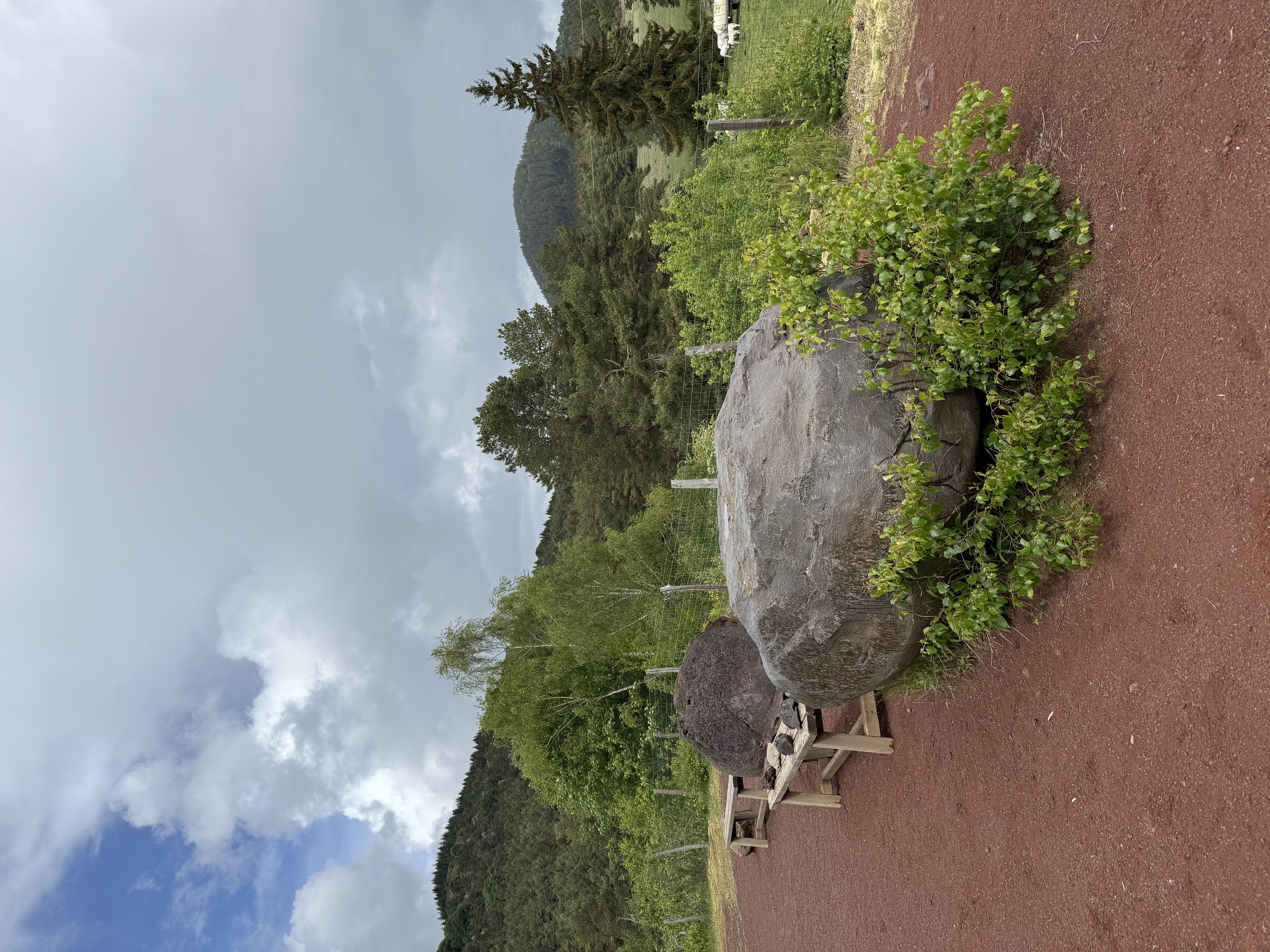
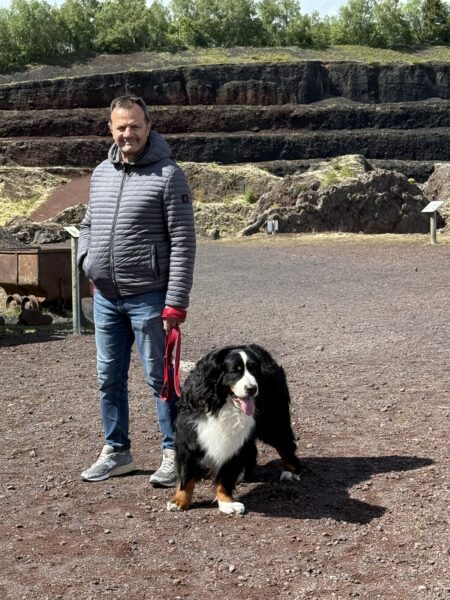

In the surrounding area, excursions to the Volcan de Lemptégy and the Parc Naturel Régional des Volcans d’Auvergne are not to be missed, because – as Vialatte wrote – Auvergne is a land of volcanoes! There are no fewer than 80 volcanoes in the Chaîne des Puys, stretching about 45 kilometers if the Limagne Fault is included, with the majestic peak of the Puy de Dôme dominating the entire horizon at an altitude of 1,465 meters.
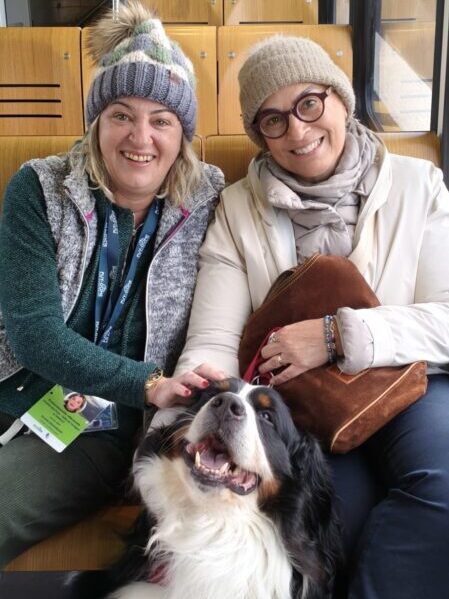
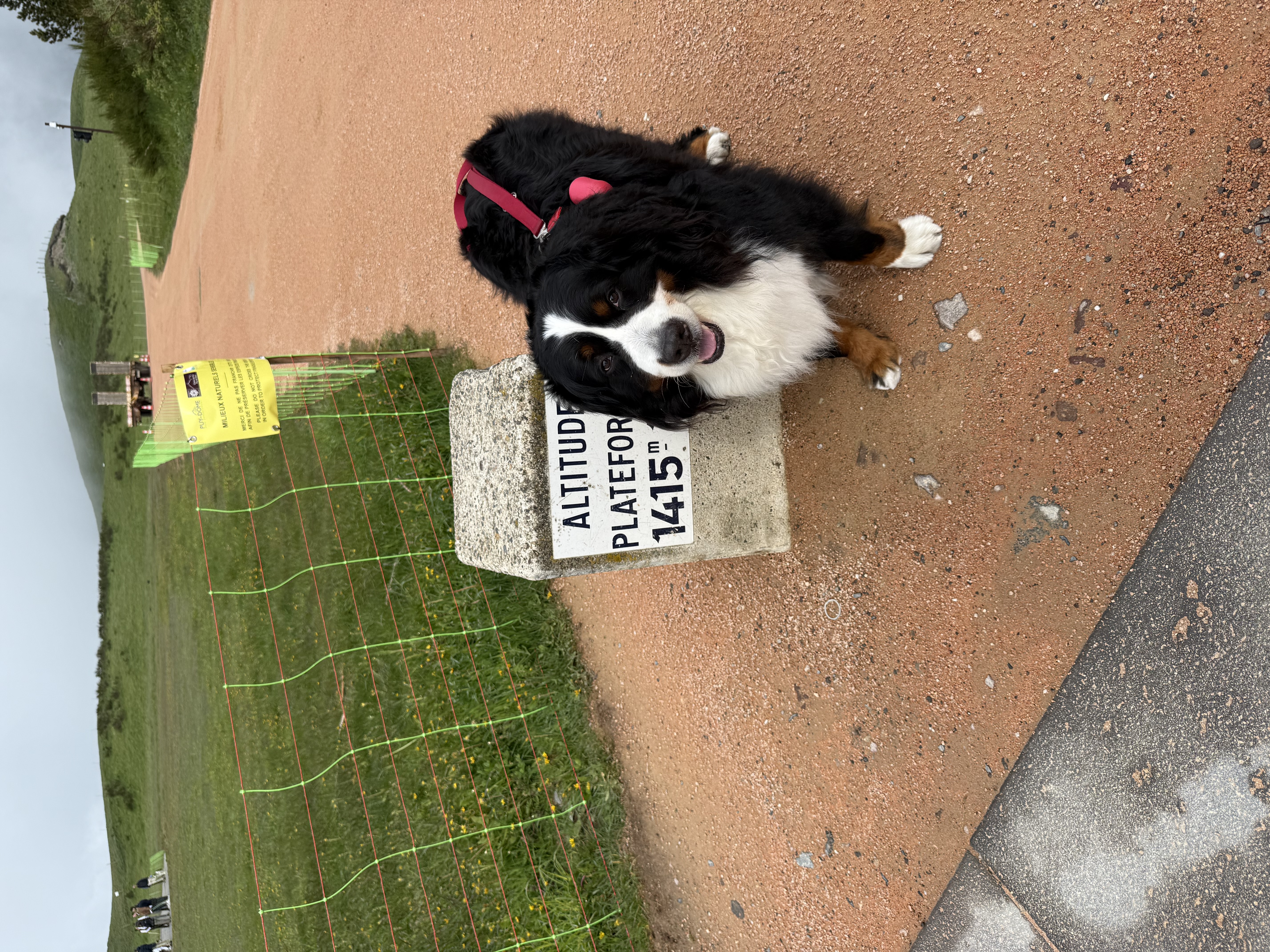
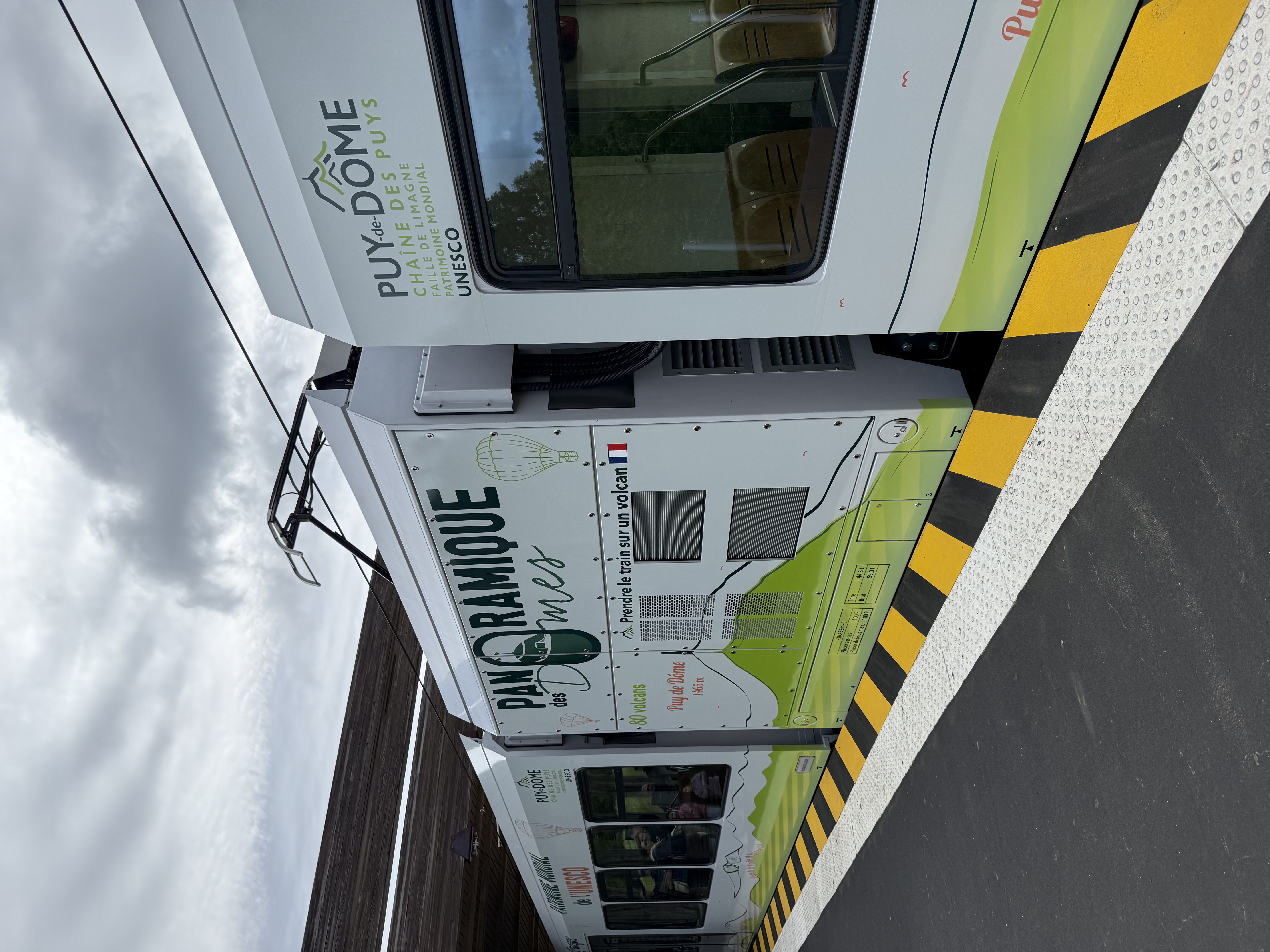
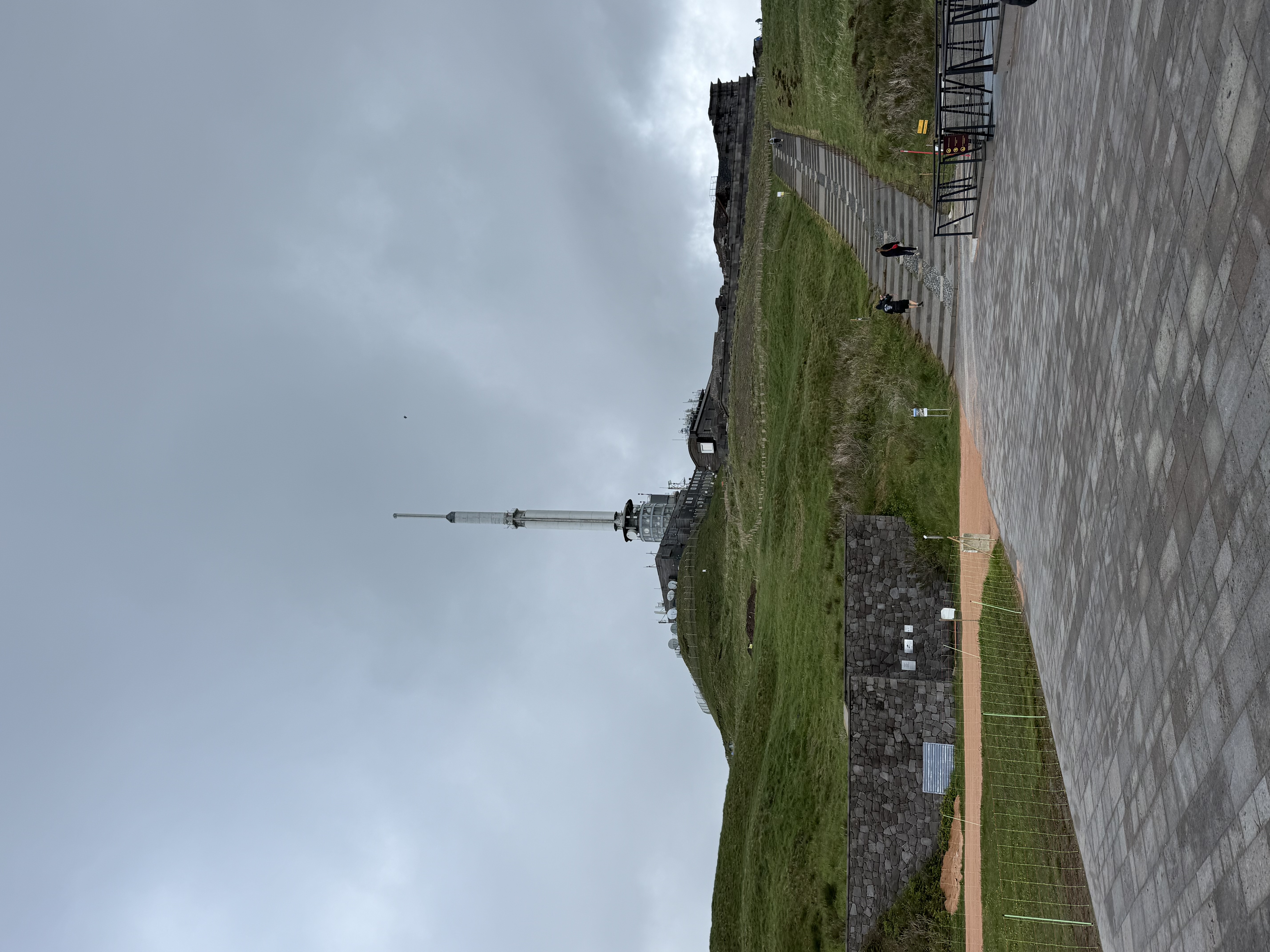
You can reach the summit on foot via the ancient Roman Chemin des Muletiers path or by sitting comfortably in the carriages of the Panoramique des Dômes cog train. This electric train carried us, Otto (tickets are available for four-legged friends, too) and Grazia, to the top in fifteen minutes; the journey is a delightful experience, offering splendid views through the windows of the green-covered craters.
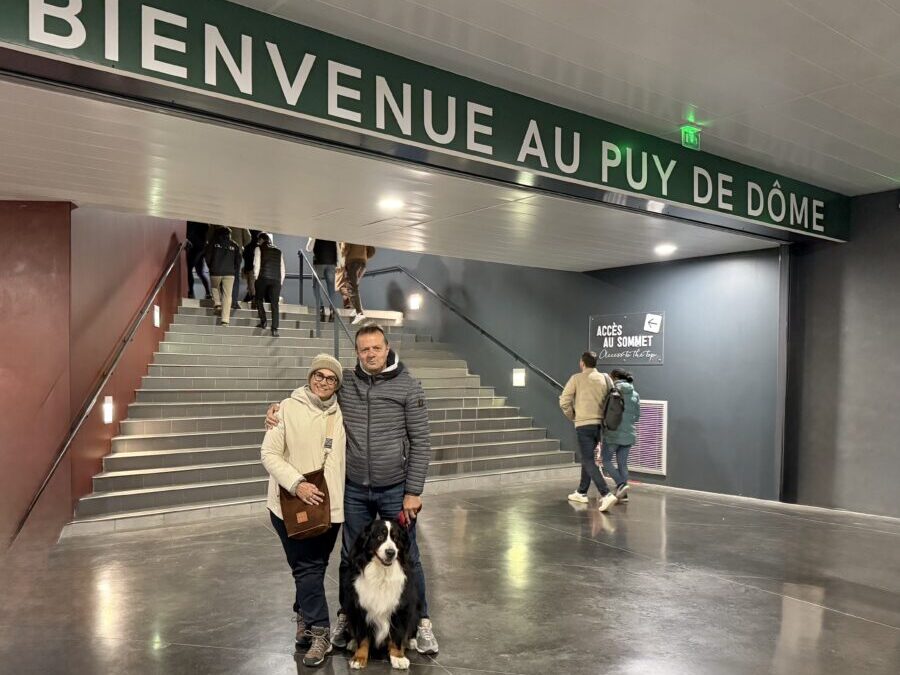
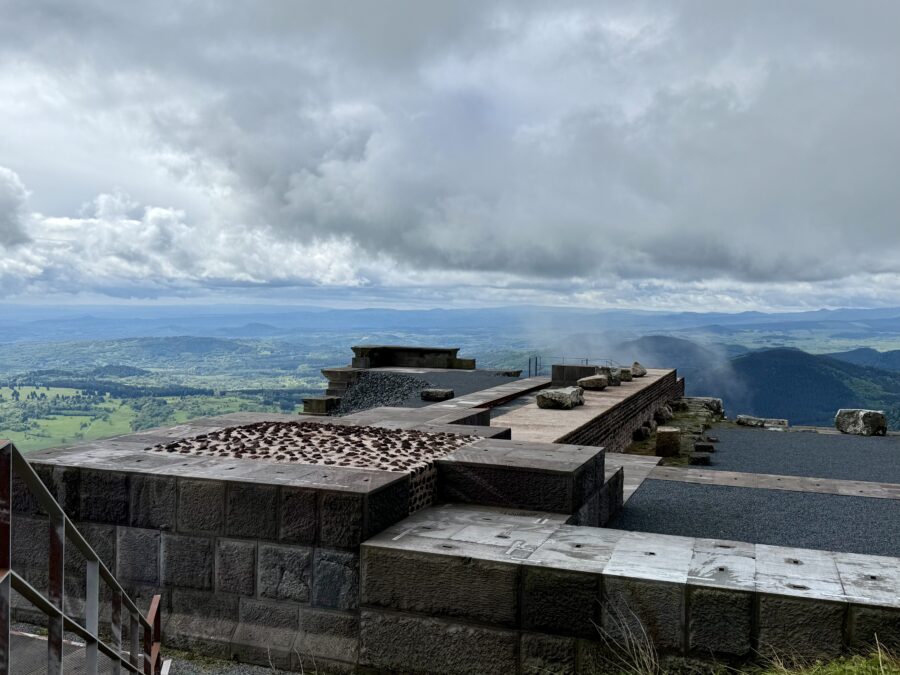
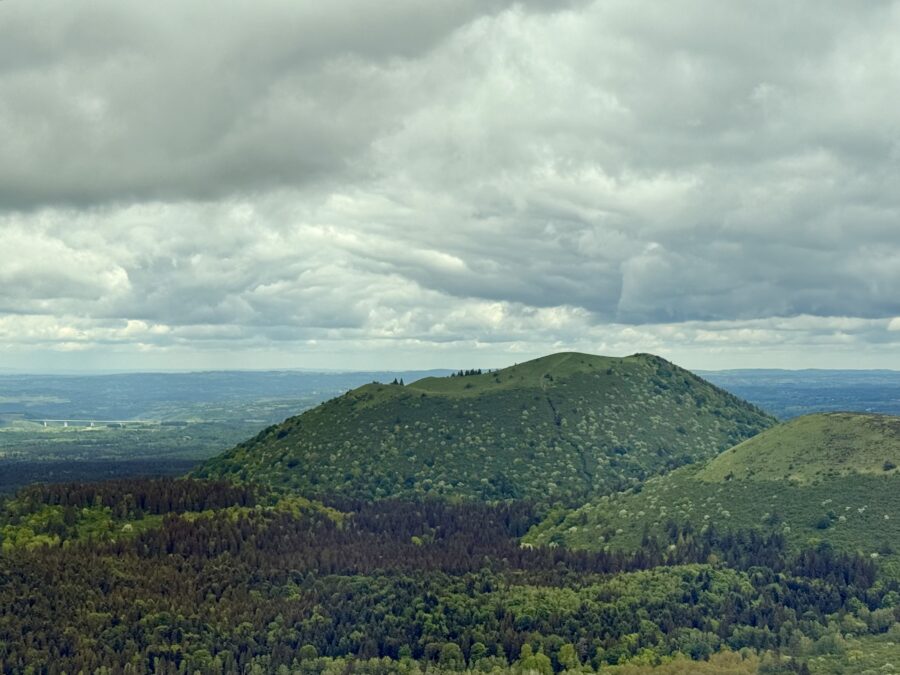

Once at the summit, you can visit the museum dedicated to the Gallo-Roman temple of Mercury, the ruins of which are still visible. The entire plateau—which also houses an observatory equipped with state-of-the-art instruments—has been inscribed on the UNESCO World Heritage List as France’s first and, to date, only geological site.
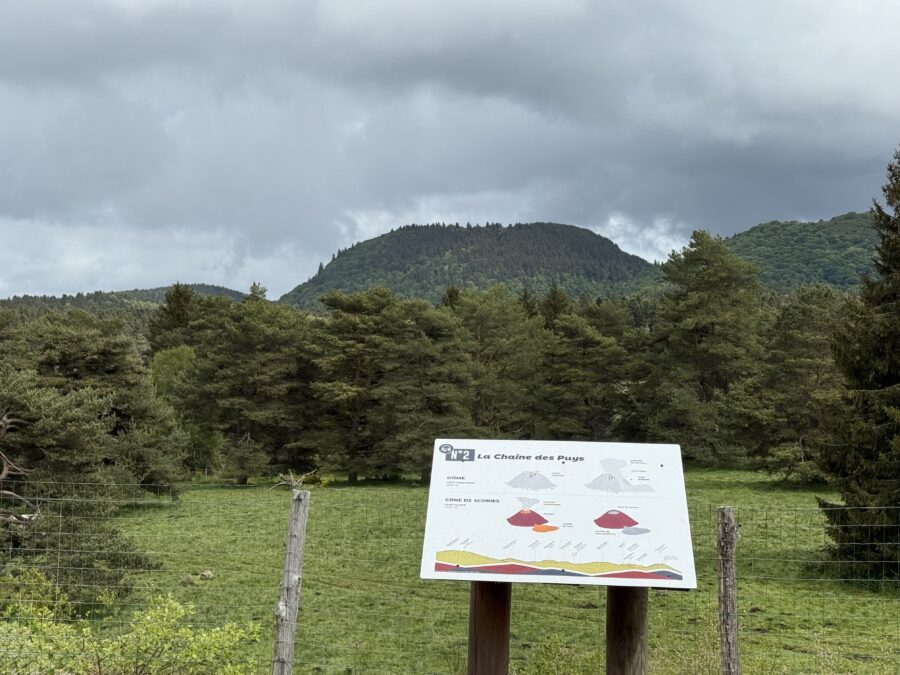
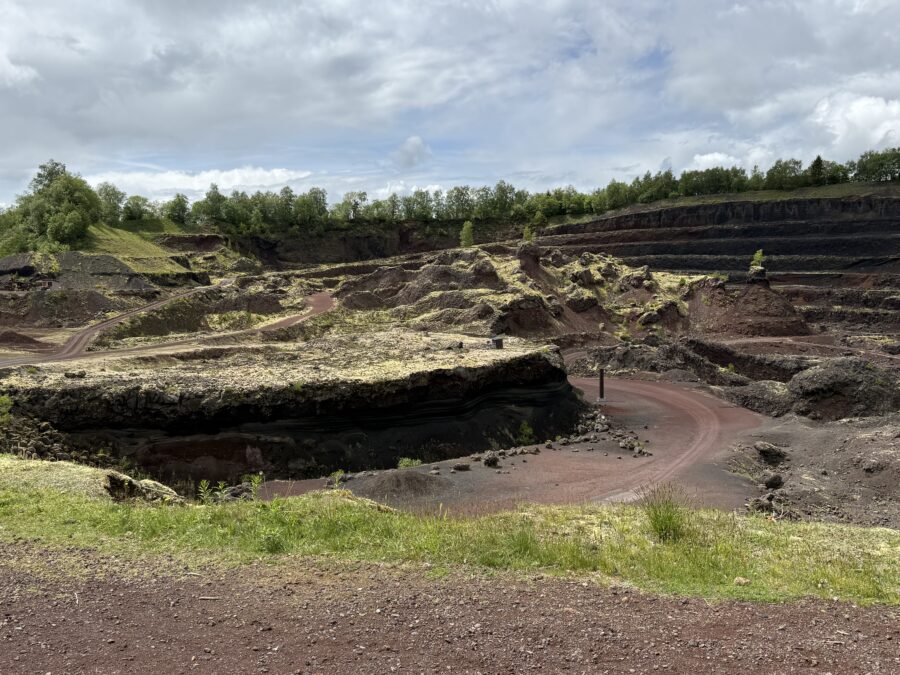
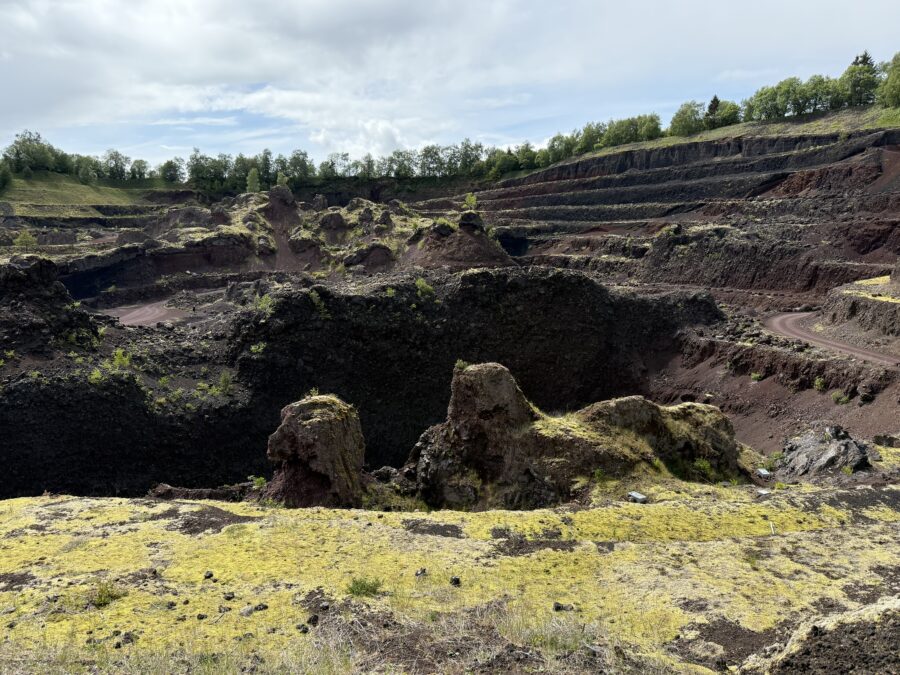
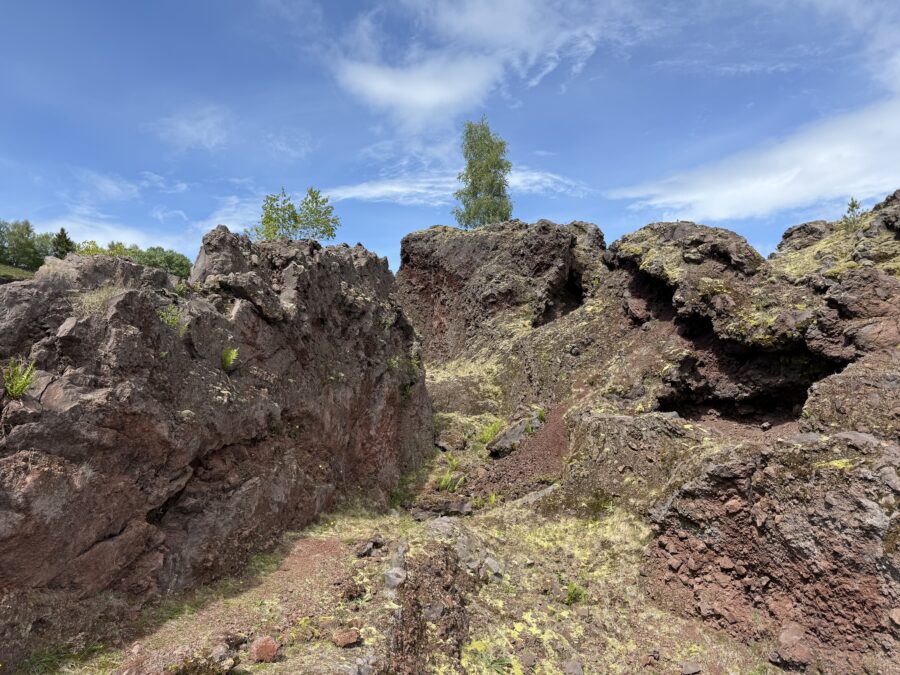
We took a self-guided tour, using an Italian-language audio guide, of Volcan de Lemptègy, a park situated within the craters of two extinct volcanoes. Although the site was recently transformed into a large pozzolana quarry, the face of the lava flow remains clearly visible. We walked with Otto inside the basins of these volcanoes—extinct for about 6,000 years and the youngest in the Auvergne region (unlike those in the Cantal area, home to one of the region’s famous cheeses, which date back much further, to a period ranging from several million to around 100,000 years ago). It is a thrilling experience to walk the paths, where the dark ground contrasts strikingly with the lush green trees growing along the ridges. The visit concludes with a 4D video that simulates an eruption, creating the sensation of being deep within the bowels of the earth.
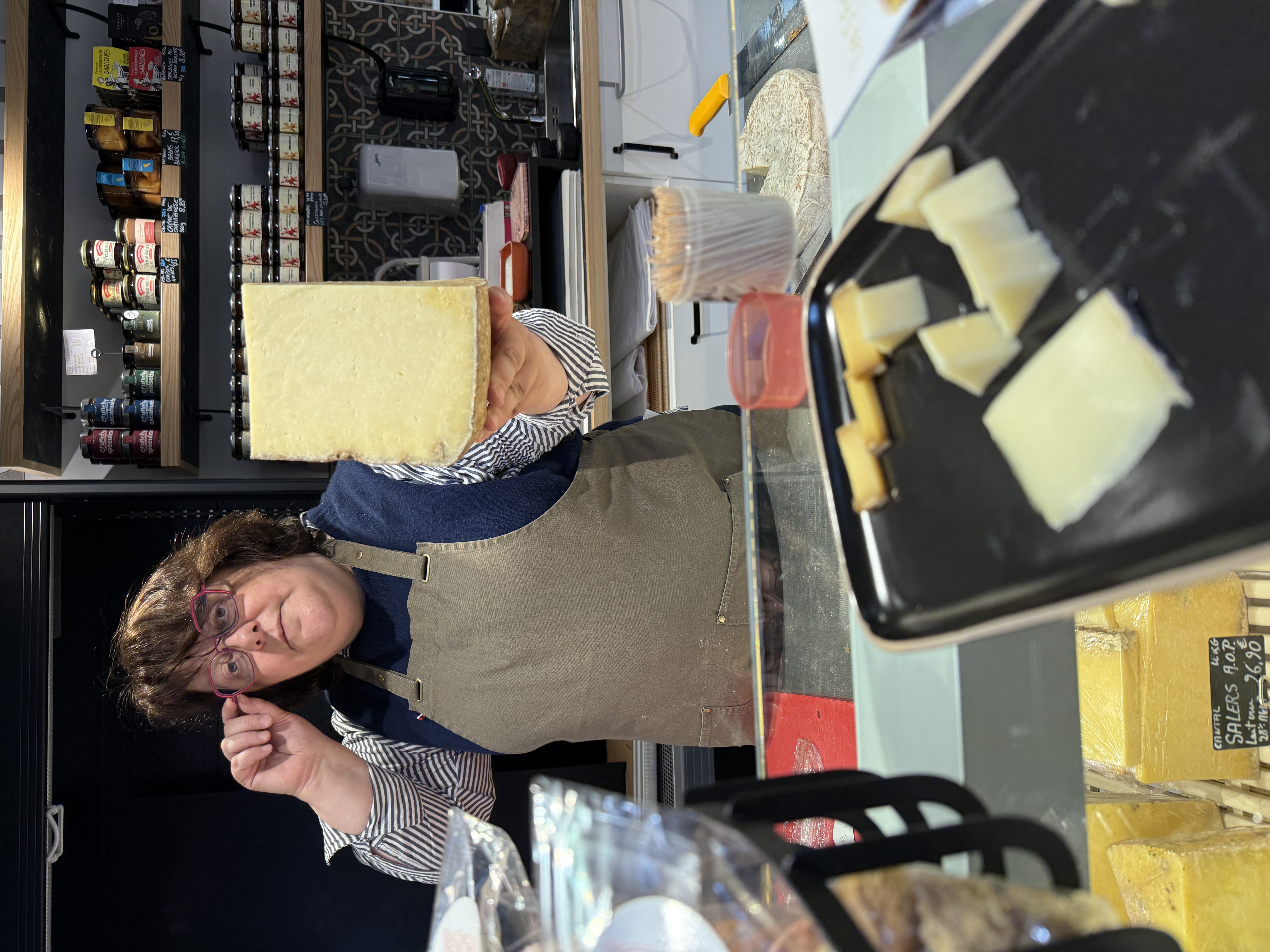
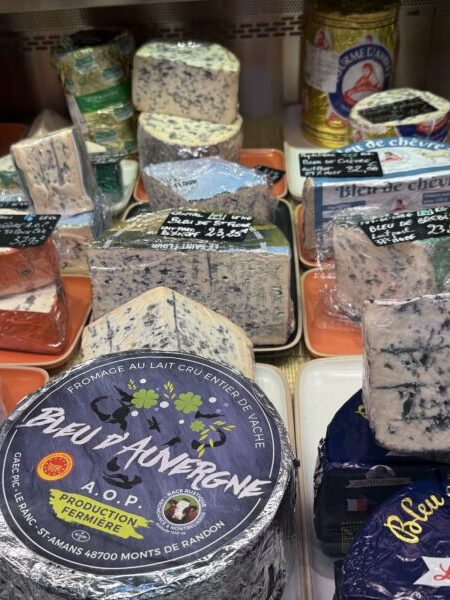
Walking works up an appetite, but fear not, the food in Clermont-Ferrand is excellent. We made sure to enjoy a tasting at Fromagerie Las Claies de St Pierre, where Mathilde opened the doors to the realm of Auvergne cheeses for us. Here, we were introduced to the five cheeses holding Protected Designation of Origin status, starting with Saint-Nectaire, renowned for its creaminess and unique flavor, which was appreciated even at the court of Louis XIV. We also noted the distinctive cylindrical shape of Fourme d’Ambert, an aromatic blue cheese that differs from Bleu d’Auvergne; the latter boasts a bolder taste and intense blue-green veining caused by the action of Penicillium glaucum.
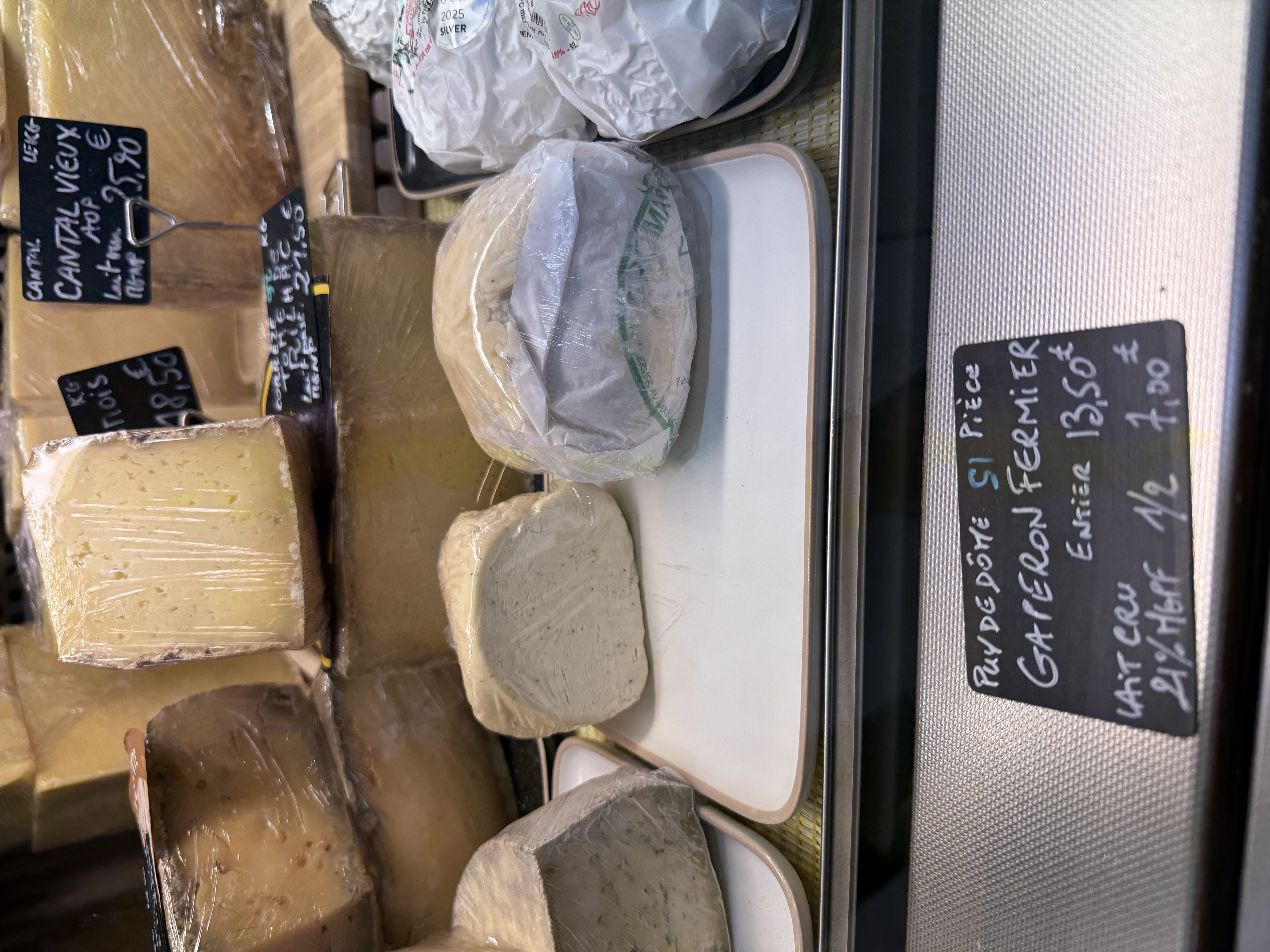
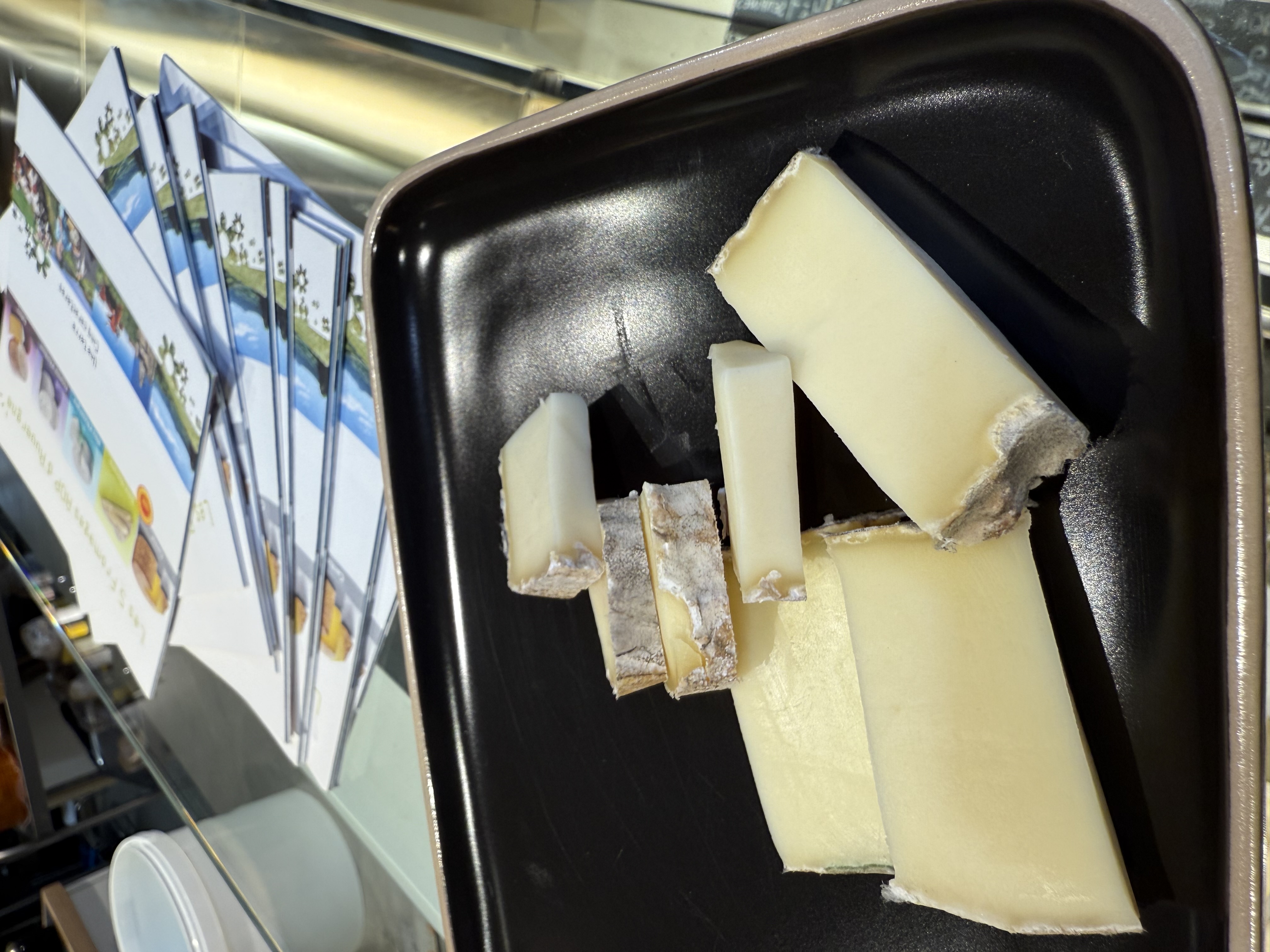
Cantal is the region’s oldest cheese, boasting a history spanning nearly 2,000 years. Its name derives from the Gallo-Celtic term “cantalo”, meaning frontier, and its flavor evolves with aging, shifting from the mild taste of young cheese (aged less than two months) to the more intense profile of mature cheese (aged over six months). Our favorite? Salers. It is produced between April and September – when the red cows that give it its name graze in the pastures – and is made from raw milk, then aged for seven months in a wooden vessel.
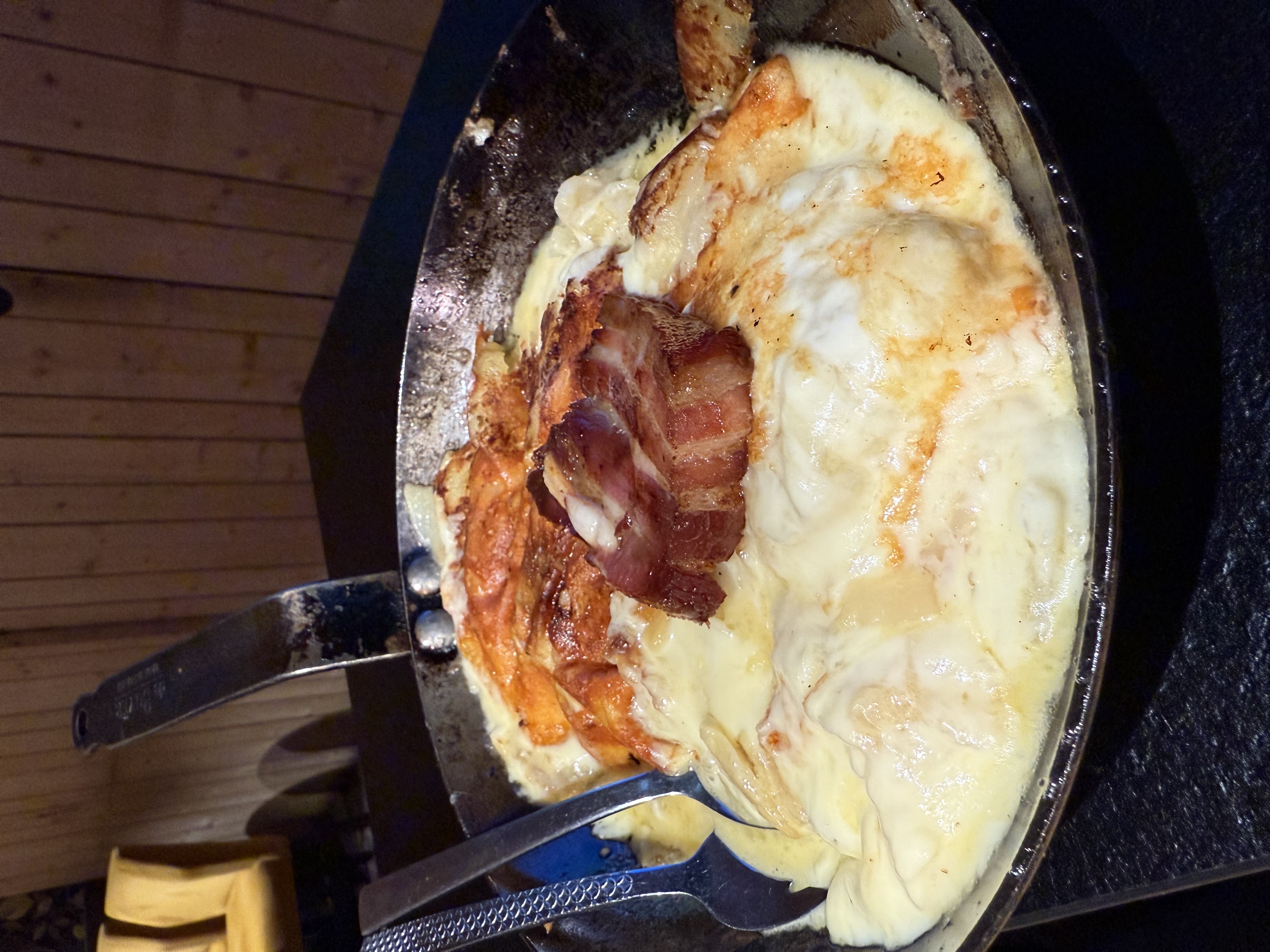
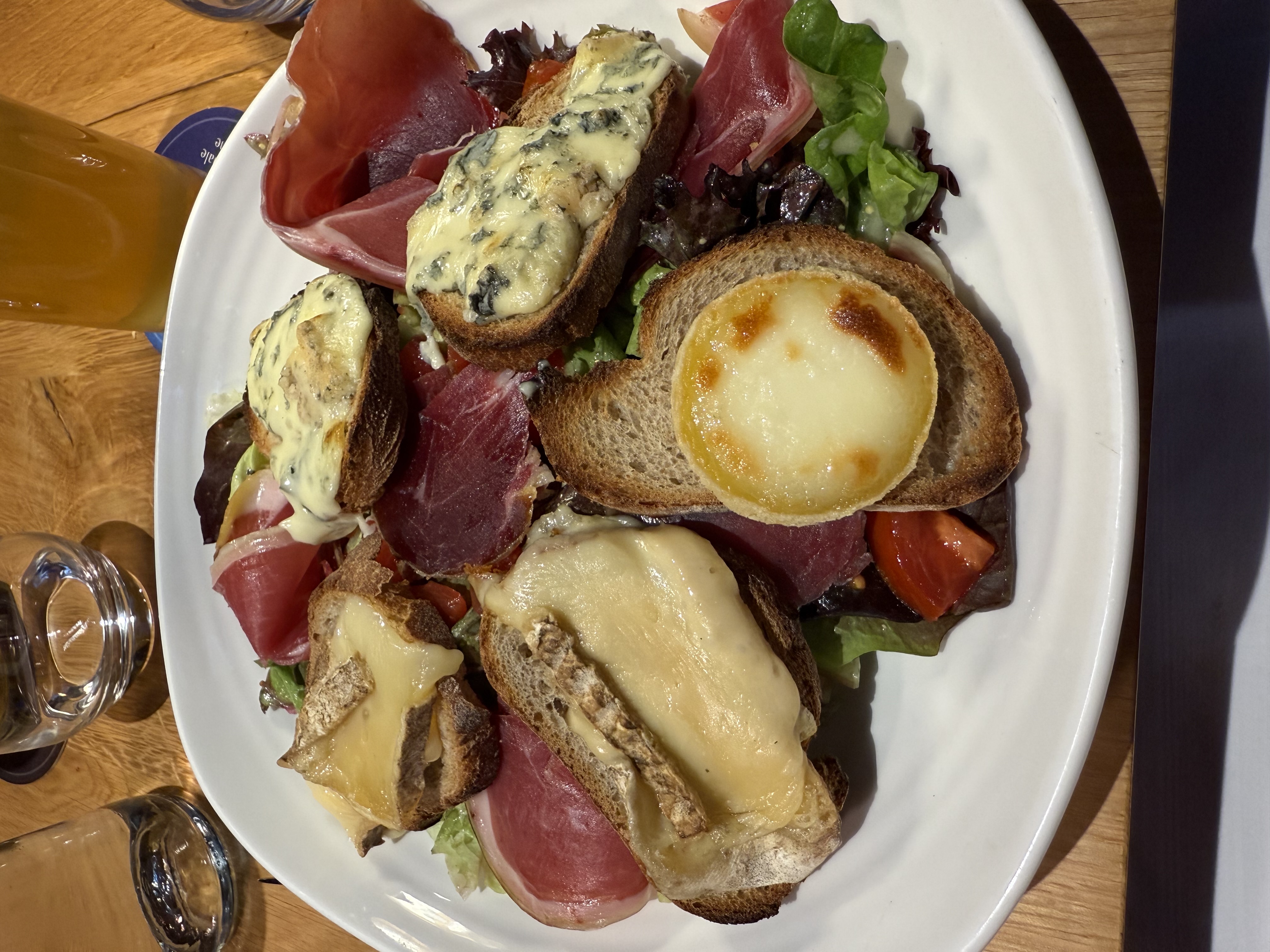
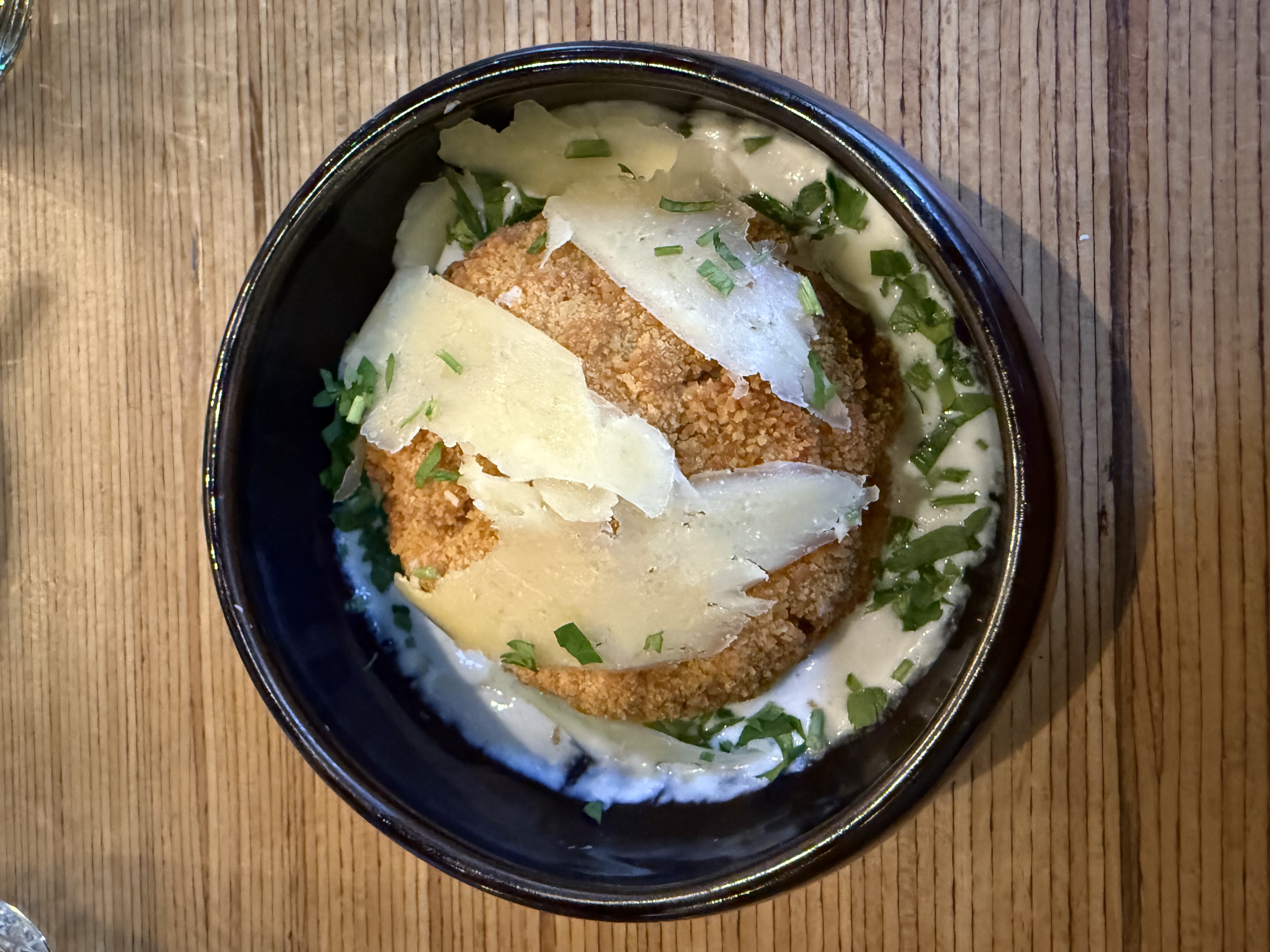
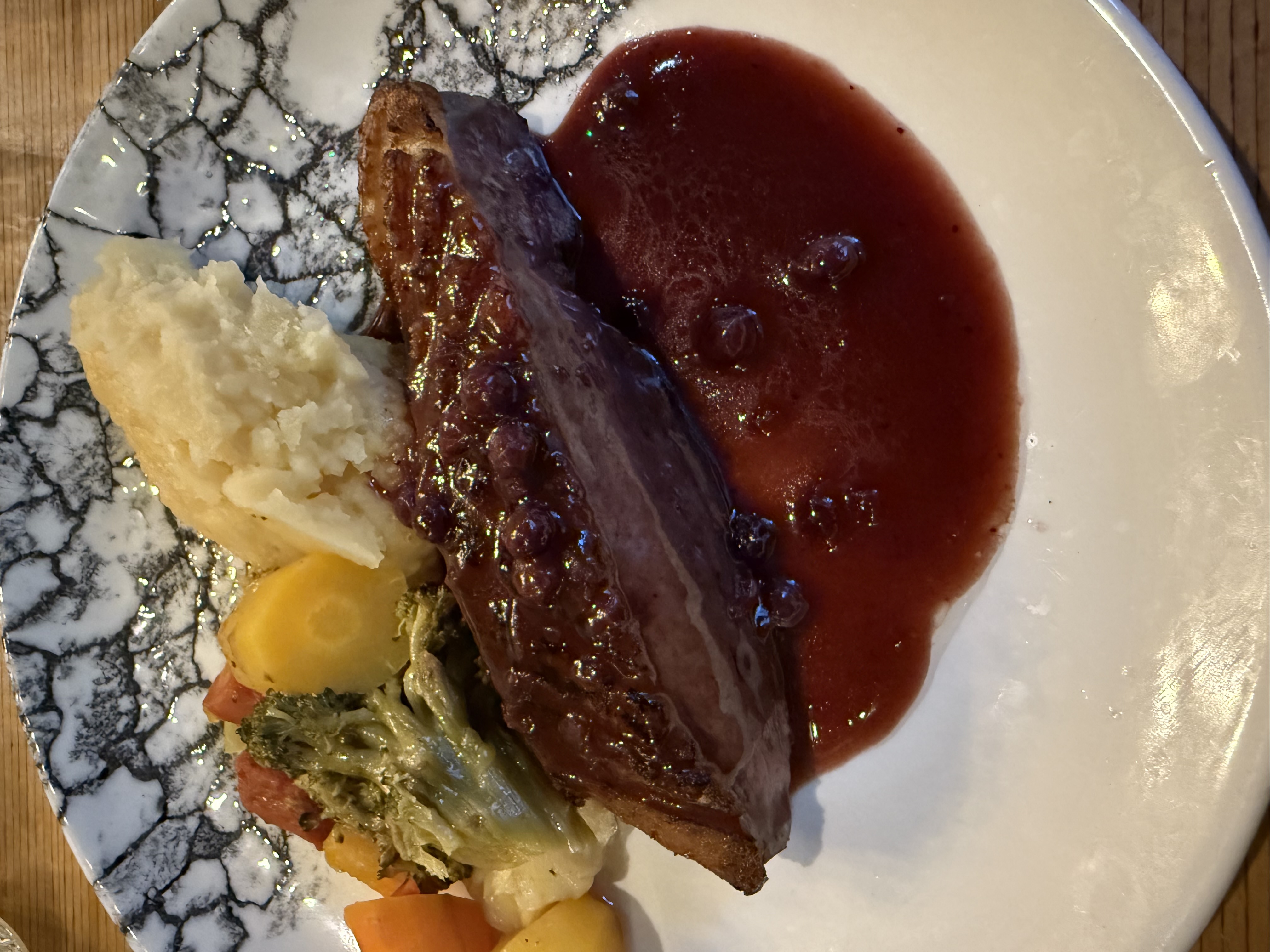
For dinner, we enjoyed the quintessential Truffade, made with potatoes, lard, onions and cheese, alongside the Salade Auvergnate (featuring cheese croûtons and local ham) at Chez Honoré, a restaurant specializing in regional cuisine. The following day, we visited Le Devant, a traditional restaurant where we sampled dishes prepared with an innovative twist, including potato croquettes with Cantal cheese and horseradish cream, and Magret de canard, the classic French duck breast, served here with a blueberry sauce.
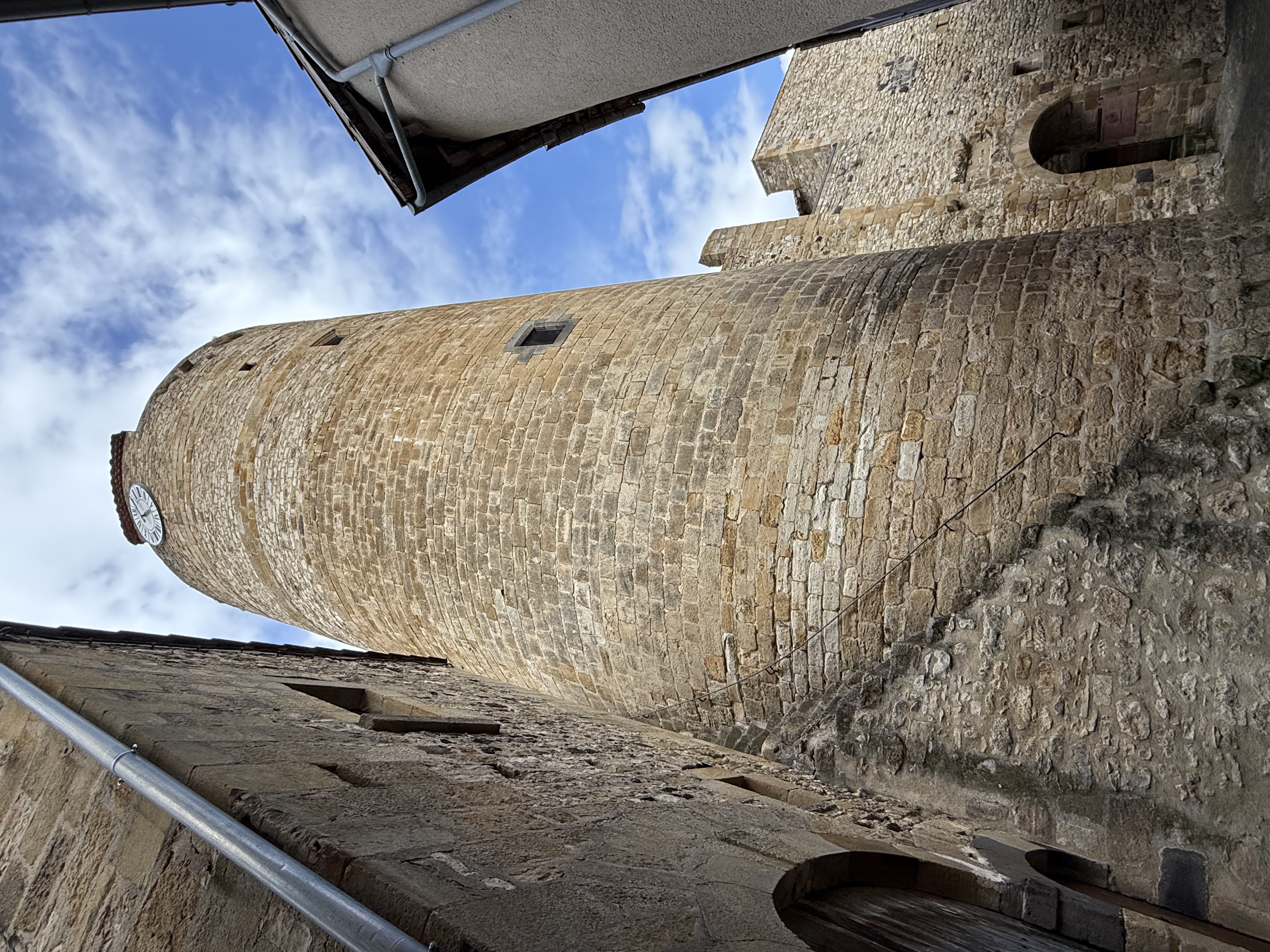
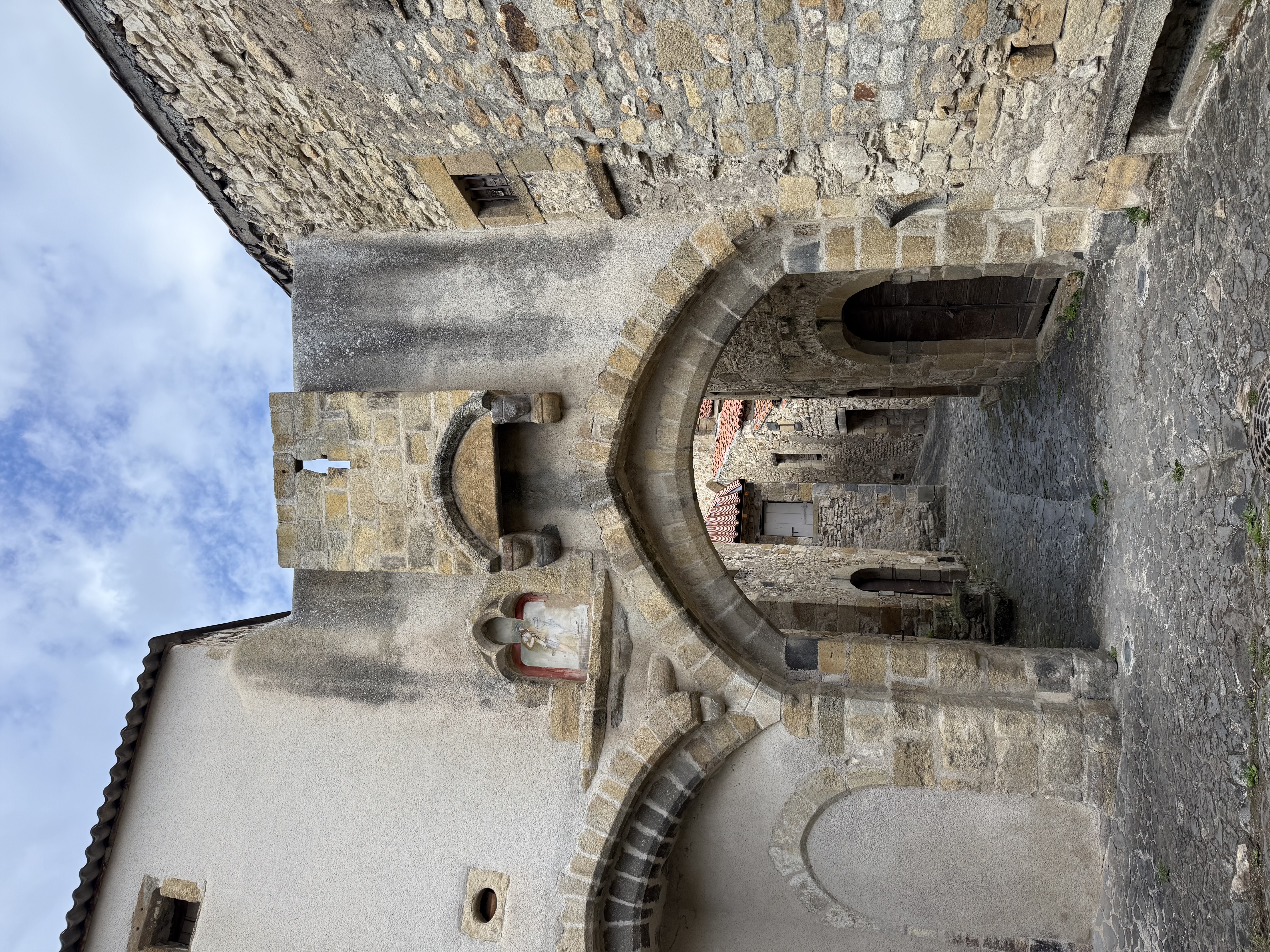
Earlier that afternoon, we visited the picturesque fortified village of La Sauvetat, which dates back to the 13th century. Distinguished by a tall keep and the beautiful Saint-Jean Gate, the village has been designated a “Petite Cité de Caractère” (Small Town of Character).
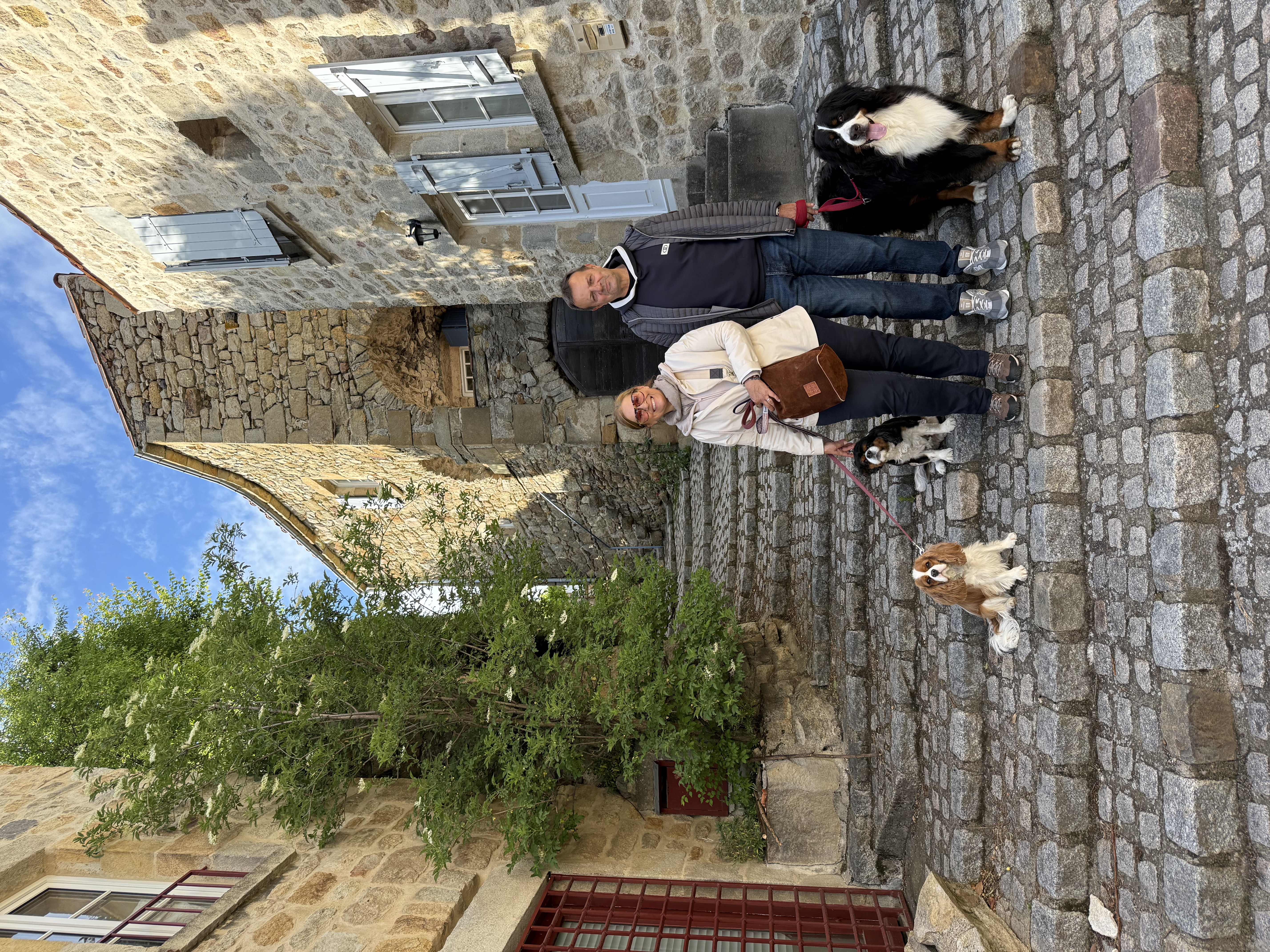

In the small medieval hamlet of Montpeyroux, one of the most beautiful villages in all of France, we met Vanessa Michy, Senior Press Officer at Auvergne-Rhône-Alpes Tourisme, along with her delightful dogs Naorie e Verveine, with whom Otto fell head over heels in love. The village is an ideal starting point for hikes through the surrounding countryside with your four-legged friends. Walking through the cobblestone streets and past sandstone houses with pastel-colored windows feels surreal; it is reminiscent of Provence, at least until your gaze shifts to the spectacular panorama of the Chaîne des Puys.
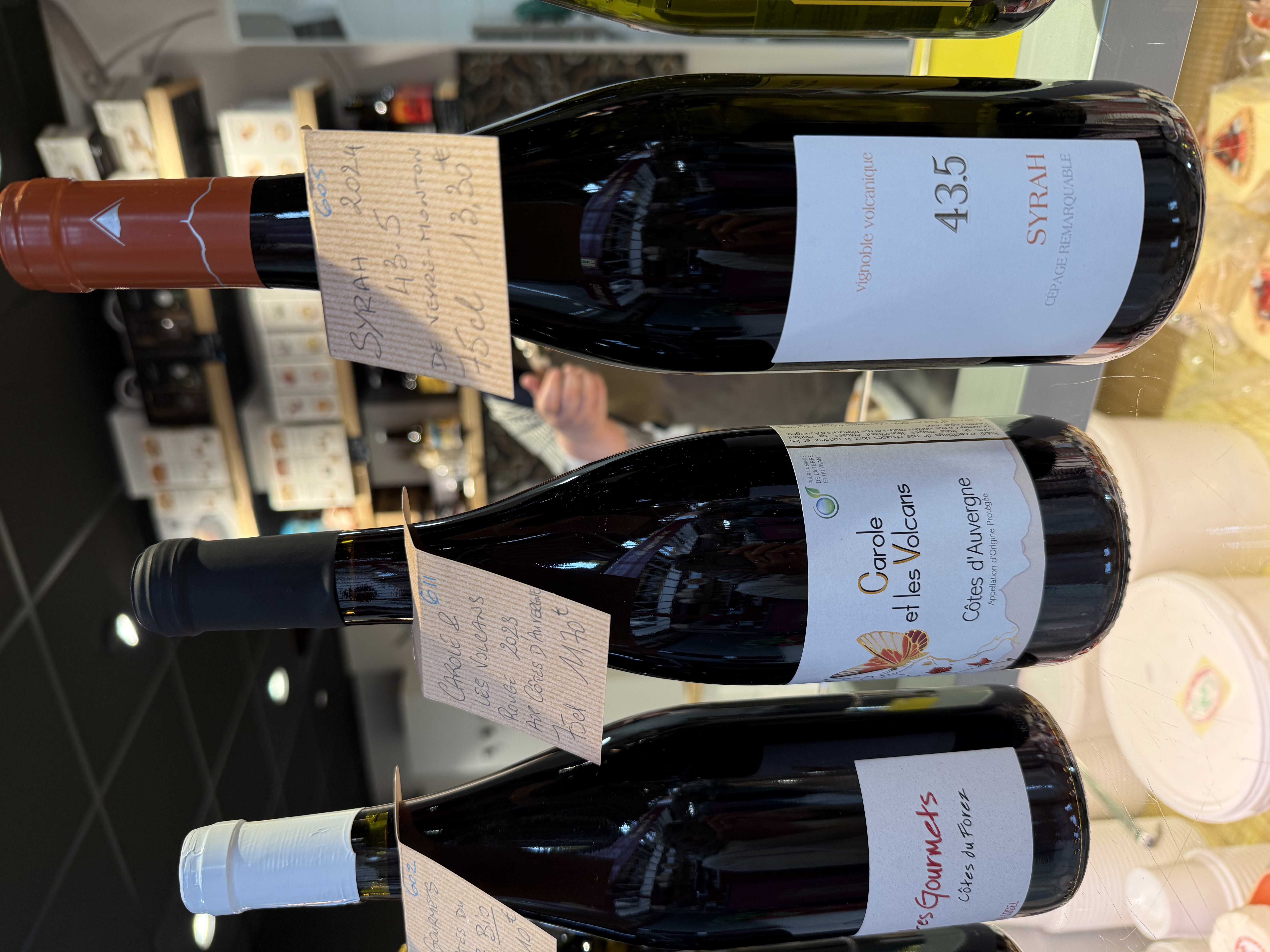
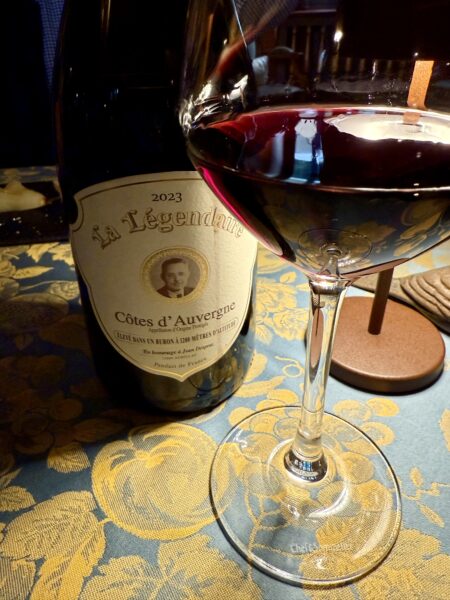
As for the wines, despite the region’s excellent suitability for viticulture and its history of acclaimed production, wines from Auvergne, a region with a unique volcanic landscape—remain relatively unknown. They fall under the Côtes d’Auvergne AOC designation, encompassing reds, rosés, and whites made from Gamay, Pinot Noir and Chardonnay grapes grown on soils shaped by ancient eruptions and rich in basalt, clay, limestone, and silica. These elements impart distinctive characteristics that we really enjoyed; we will certainly explore this further by tasting more of these wines, which are defined by their unique minerality and freshness.
In collaboration with Explore France and Auvergne-Rhône-Alpes Tourisme

