Dijon is considered the pearl of Burgundy, whose Duchy was one of the most powerful and influential European states of the late Middle Ages, dominating the political and economic scene between the 14th and 15th centuries with figures such as Dukes Philip the Bold, John the Fearless, Philip the Good, and Charles the Bold.
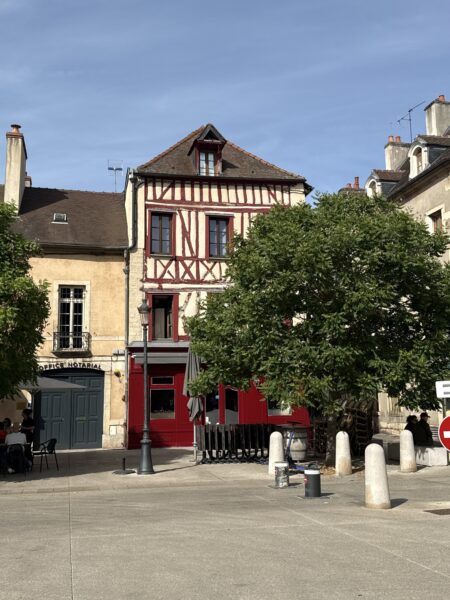
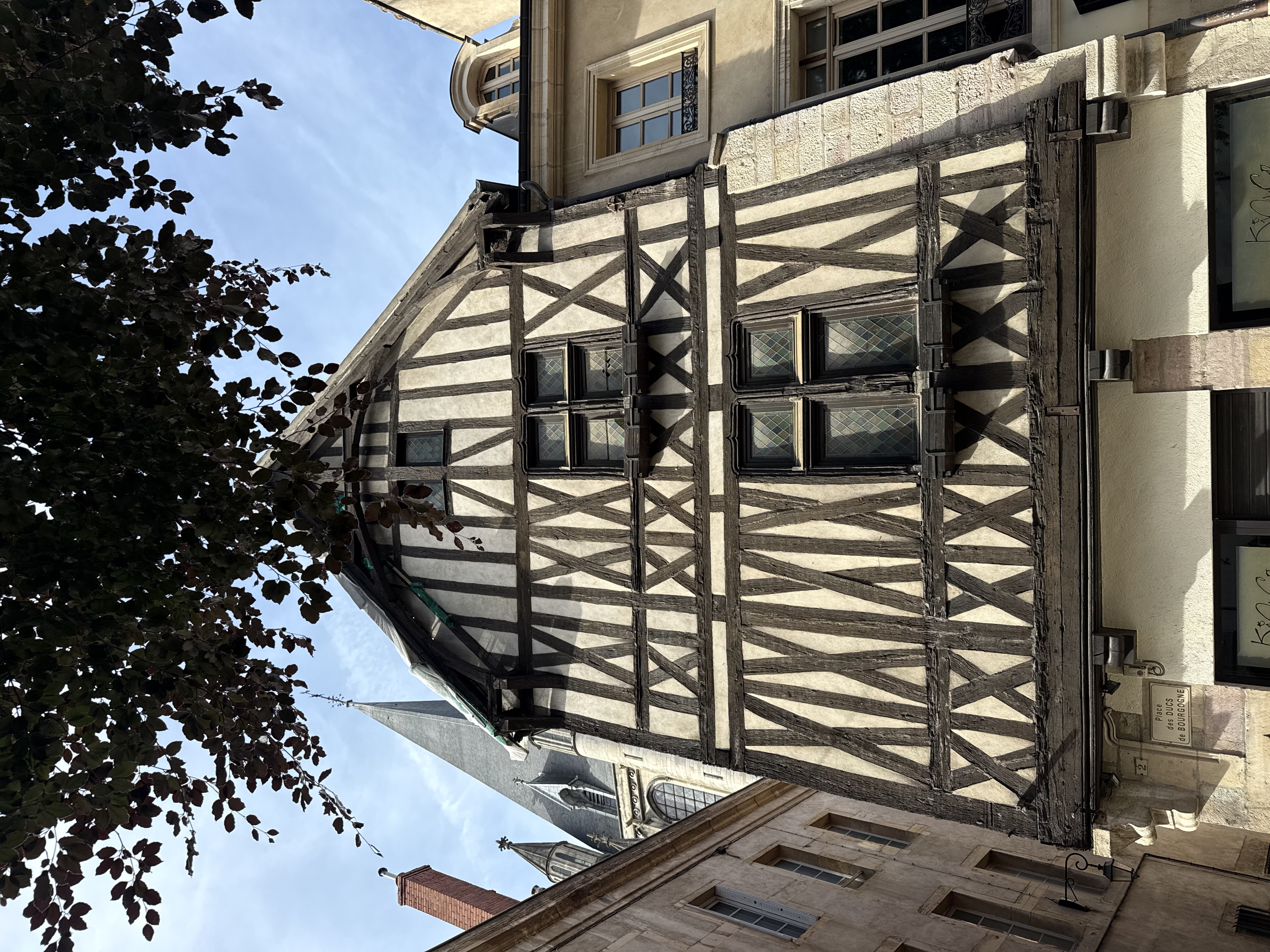
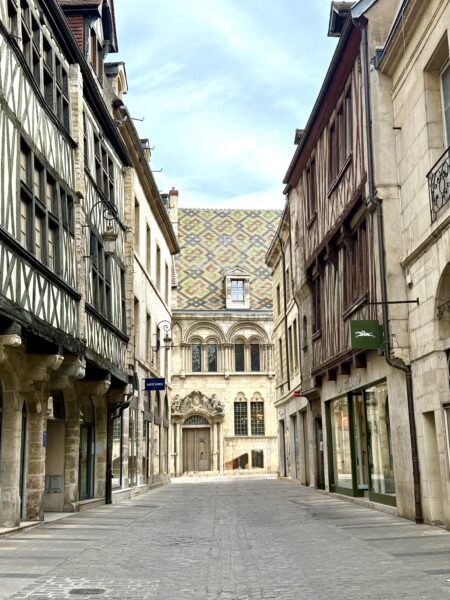
Reflecting this past, Dijon preserves a rich array of Romanesque and Gothic churches, 17th and 18th-century palaces, and superbly preserved half-timbered houses from the 15th century, throughout the streets of its historic center. This pedestrianized city center, a UNESCO World Heritage Site since 2015, boasts a rich array of superbly preserved Romanesque and Gothic churches, 17th- and 18th-century palaces, and 15th-century half-timbered houses.
Following the Owl’s Path
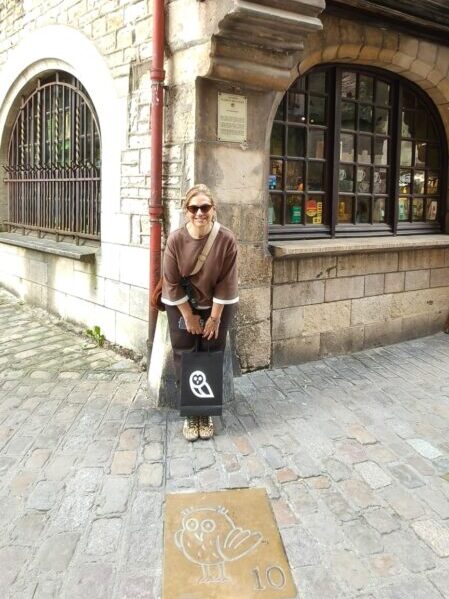
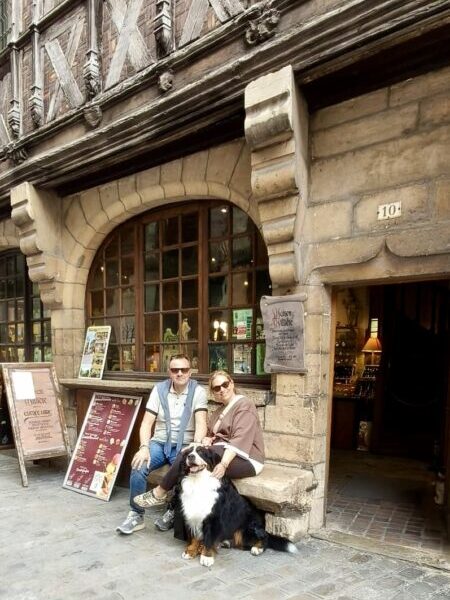
Its treasures are easily discovered by following the “Parcours de le Chouette”, the owl trail, marked on the streets and sidewalks by 22 bronze figures depicting this charming little animal that has become the symbol of Dijon. And strolling along the street that bears its name, Rue de la Chouette, you’ll come across the oldest medieval house in the town at number 10, Maison Millière, immortalized in the film “Cyrano de Bergerac” starring Gérard Depardieu. Classified as a national monument, it now houses a restaurant, a wine shop, and a tea room.
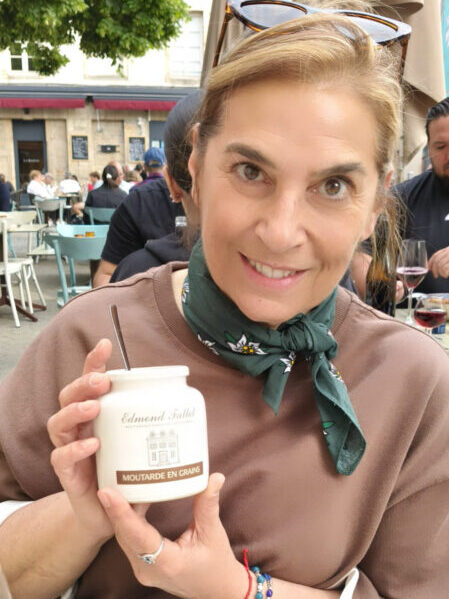
Dijon is also famous for its mustard or moutarde: as early as the 14th century, a producers’ guild was established that defined precise rules for its preparation and marketing. Moutarde de Dijon is a refined sauce that leaves a complex flavor in the mouth, ranging from tart to spicy, and like wasabi, it rises to the nose, then leaves a slightly bitter aftertaste. It could perfectly describe our day in Dijon, a city that certainly deserves much more attention for its monuments, art, culture, and gastronomy.
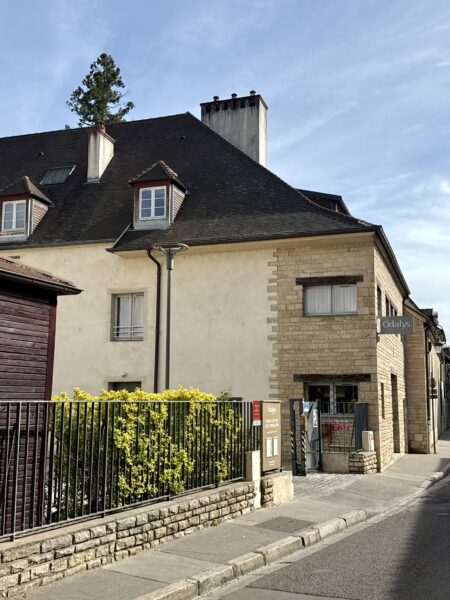
Indeed, the excitement of a stroll through the city, after dropping off our bags at the centrally located Appart’hôtel Odalys City Les Cordeliers, was replaced by the disappointment of having dedicated too little time to experiencing its charming atmosphere. So we’re already certain we’ll have to include Dijon again among our next French destinations. To visit its museums, first and foremost the Museum of Fine Arts, one of the most prestigious in France, located in the magnificent Palace of the Dukesand States of Burgundy, which we couldn’t visit this time because dogs are not allowed. And, above all, to depart from Dijon for the Route des Grands Vins, nicknamed the “Champs-Elysées of Burgundy,” to reach Santenay, passing through Nuits-St-Georges and Beaune among the vineyards of 24 of the region’s 33 great wines.
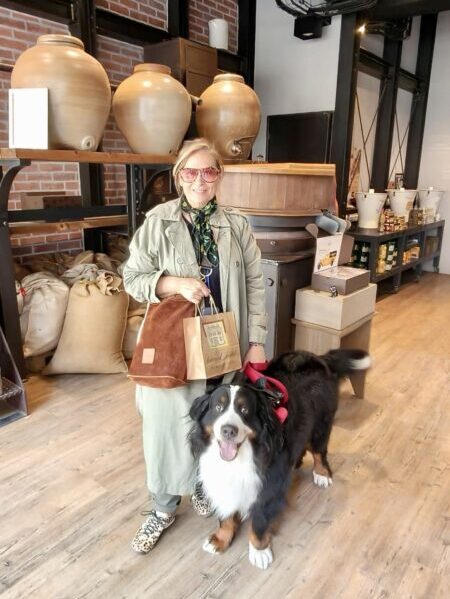
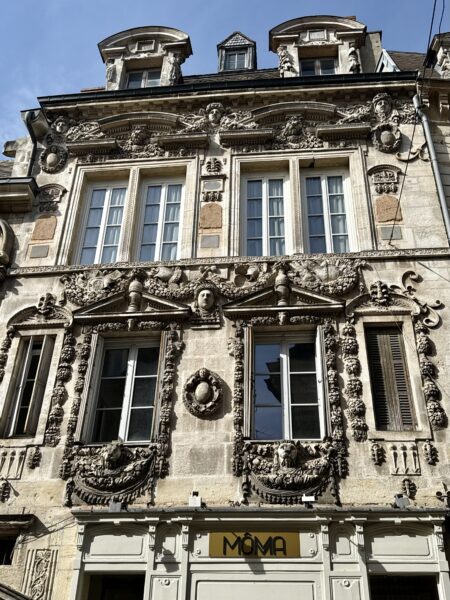
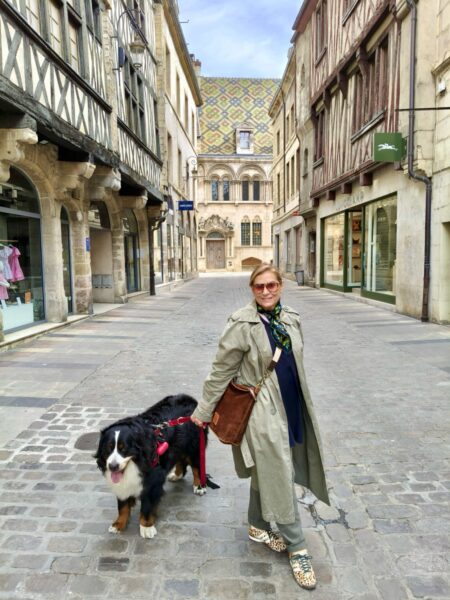
On this tour, created in collaboration with Explore France for our visit to Dijon with Otto, we chose to focus on exploring the streets of the historic center among the half-timbered houses, called Maisons à colombages or Pain de Bois, and the splendid examples of 15th-century medieval houses between Rue de la Verrerie and Rue des Forges, which also overlook elegant Renaissance homes with finely carved facades, mullioned windows, and glazed tiled roofs.
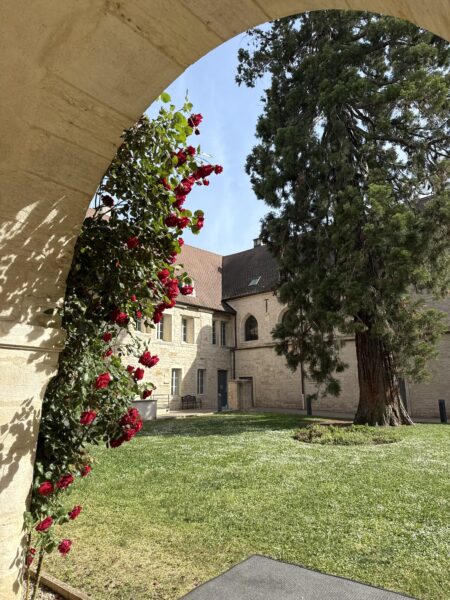
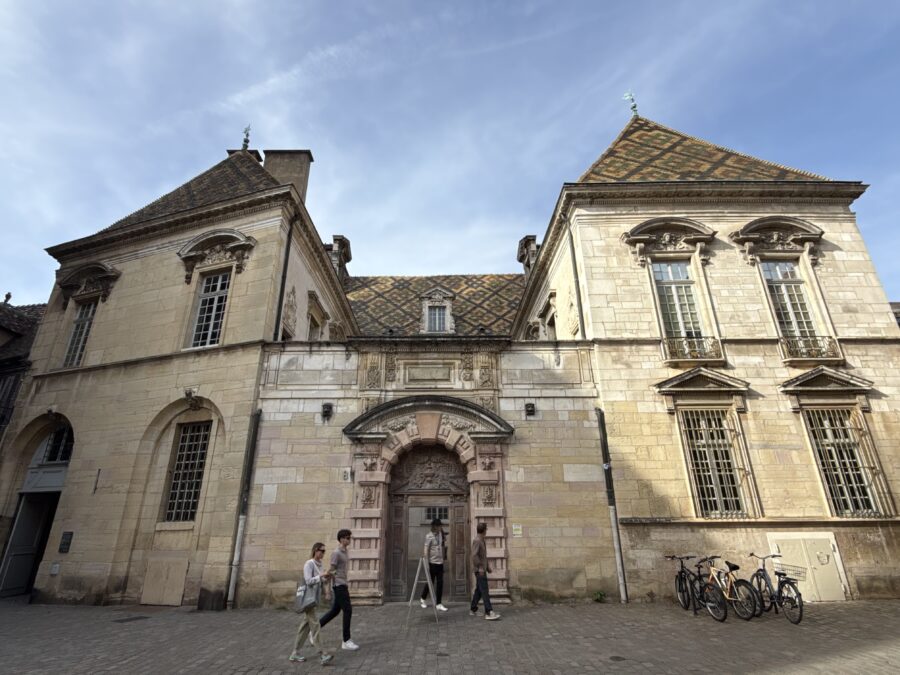
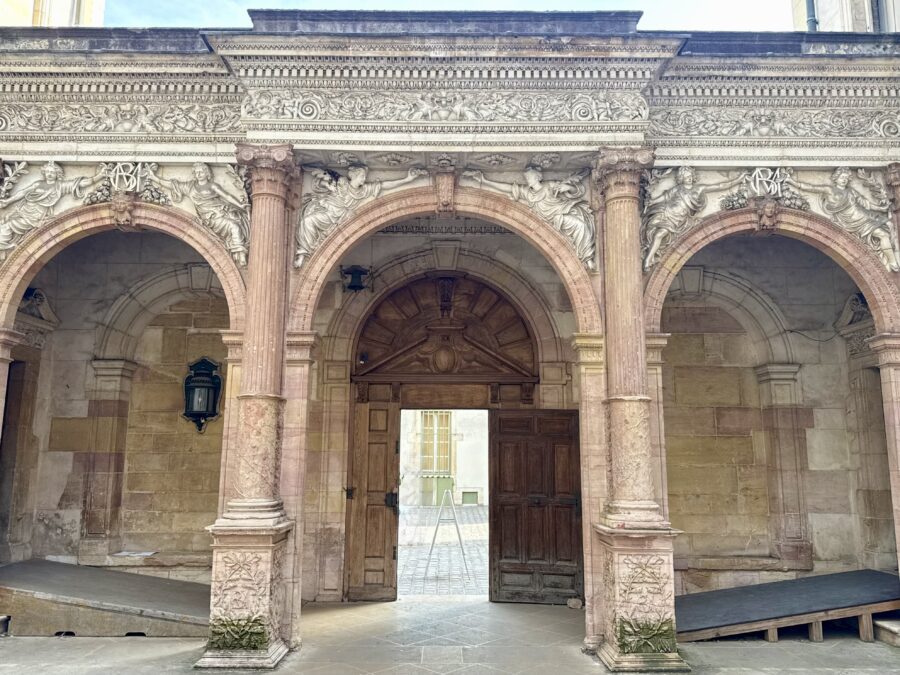
On Rue de la Chouette is one of the most beautiful examples: the Hotel Vogüe, a magnificent building classified as a historic monument since 1911, which blends French classicism with Italian architecture, featuring a large entrance portico and an ornate courtyard whose beauty is breathtaking.
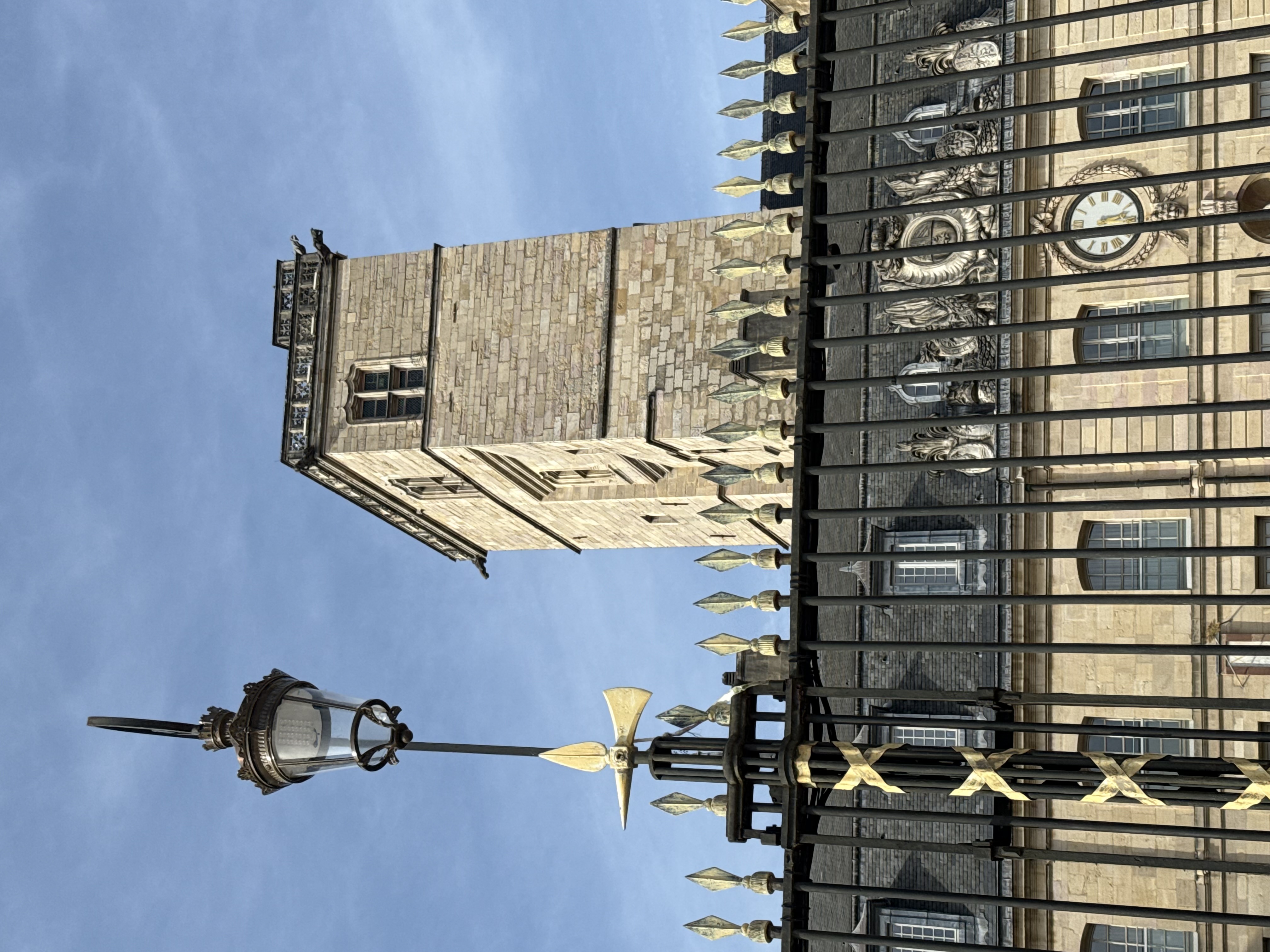
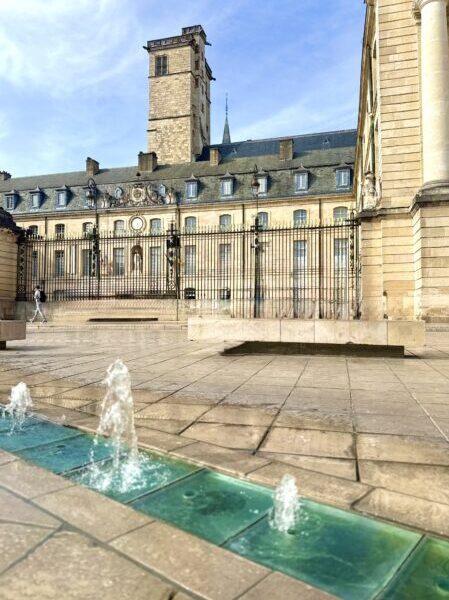
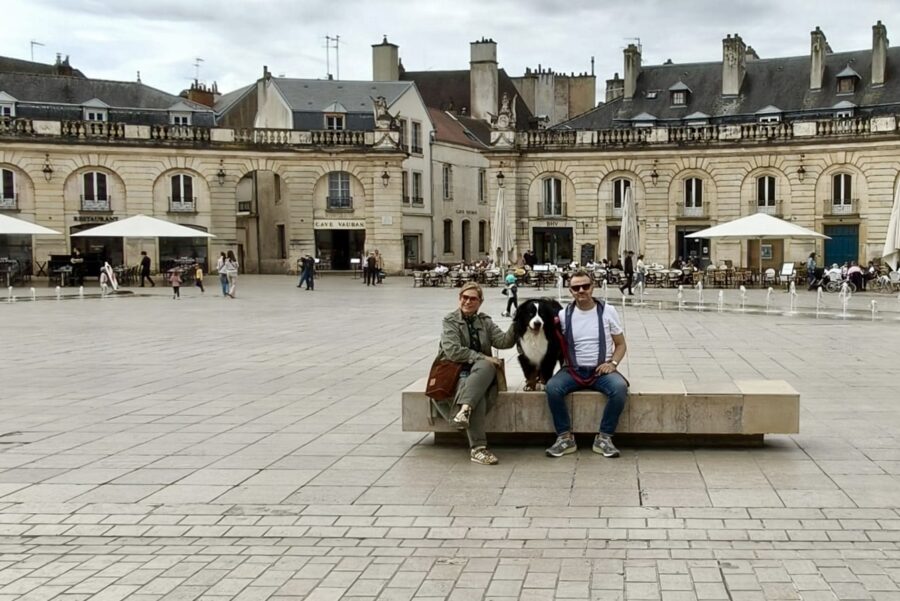
A few steps away, we reached the imposing Palace of the Dukes of Burgundy, the most important building in Dijon and now home to the city hall and the Museum of Fine Arts. It is topped by the 15th-century Philippe le Bon tower, a staggering 46 meters high. The Palace overlooks the elegant Place de la Libération, with its distinctive semicircular shape and street-level fountains where children enjoy chasing each other and splashing around. The square, initially called Place Royale, then Place d’Ames, Place Imperial, and Place Marescial Pétain, before taking its current name after the liberation in 1944, is the hub of city life, always crowded and dotted with the many outdoor tables of the surrounding restaurants.
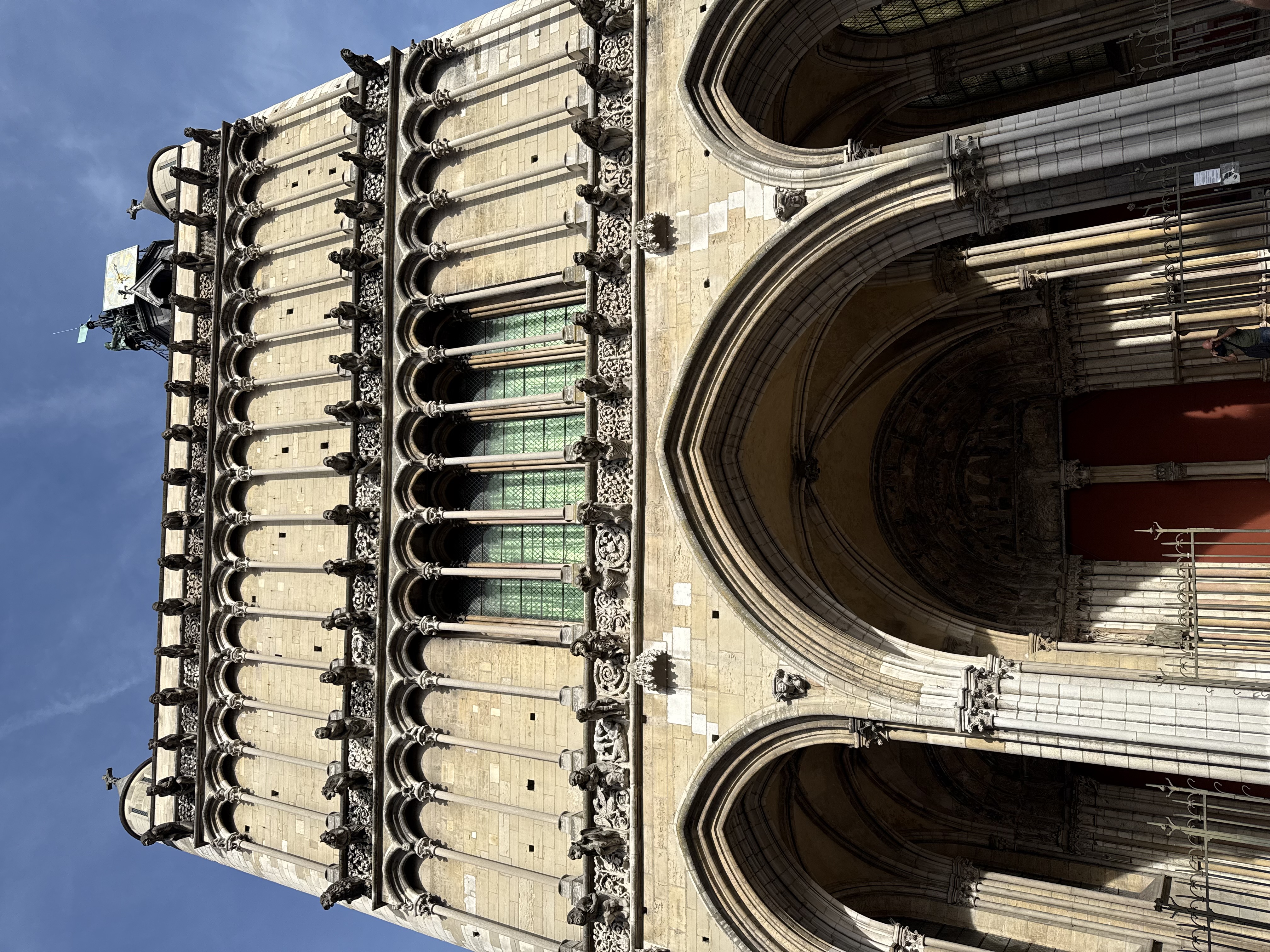
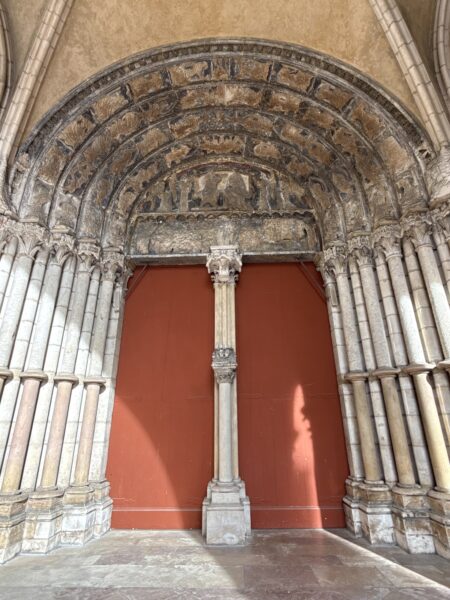
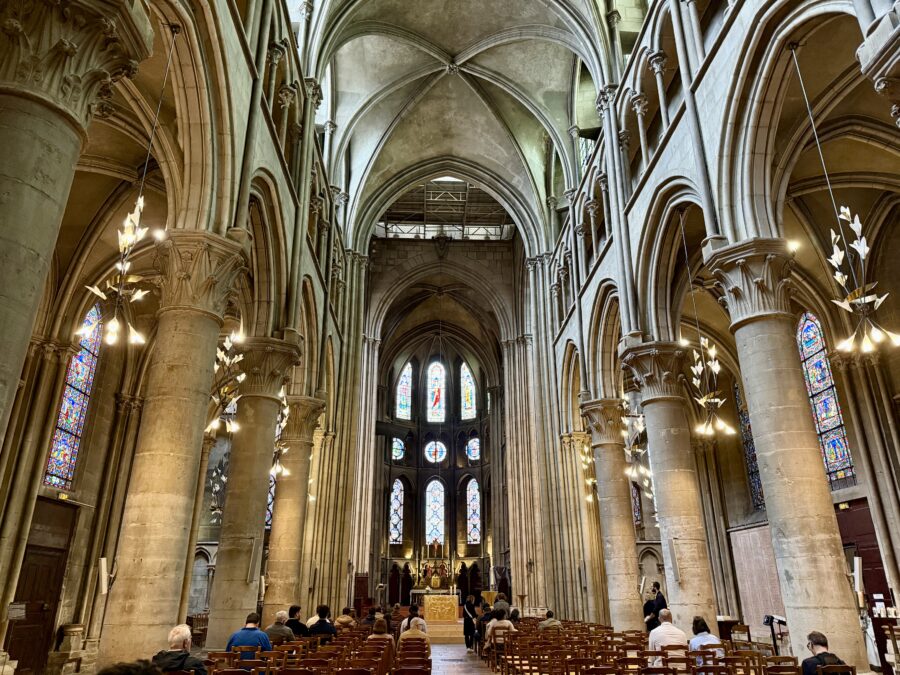
Following the owl’s path, we arrived at the Eglise Notre Dame, built between 1220 and 1240, one of the finest examples of Burgundian Gothic style. The façade is decorated with 51 gargoyles, which, however, date back to a renovation in the second half of the 19th century, as the original sculptures were lost in the late 18th century. The interior, which we visited in turns, has three naves decorated with 13th-century stained glass windows. The centerpiece is the wooden statue of Notre Dame de Bon Espoir, considered among the oldest in France and known as the Black Madonna due to the dark color of the wood, perhaps due to blackening caused by candles or perhaps a deliberate act, as it seems that between the 16th and 17th centuries, for unknown reasons, the face was painted black.
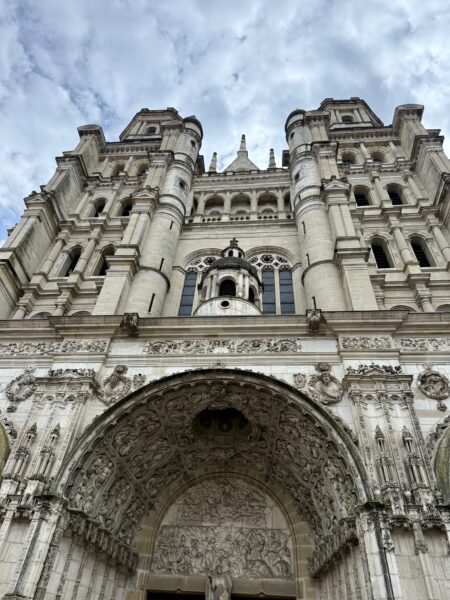
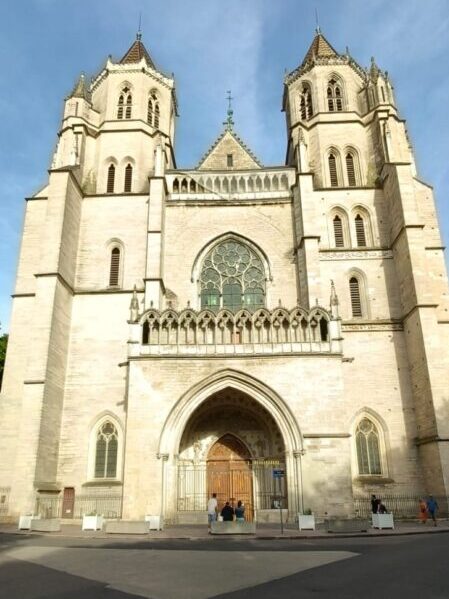
Nearby is the Église Saint-Étienne, home to the free Musée Rude, which exhibits life-size plaster casts of works by the city’s native artist. However, dogs are not allowed here either, so we decided against visiting. Next door is the Église Saint-Michel, dating back to the 16th century, which features a beautiful Gothic façade with two towers and a richly decorated portal. Owls led us to the majestic Cathédrale Saint-Bénigne, built starting in the 13th century in Gothic style over the previous Romanesque church, while the tall spire dates back to the late 19th century.
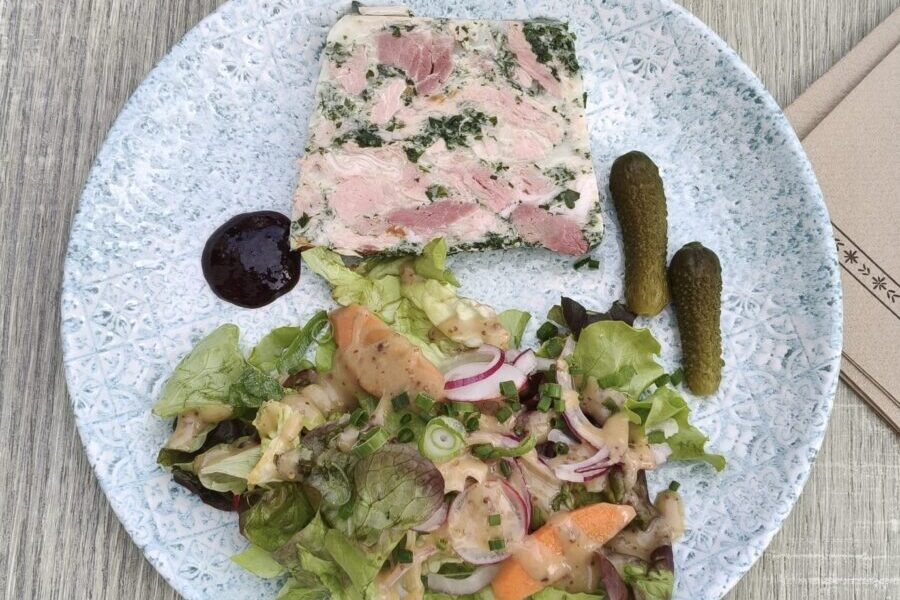
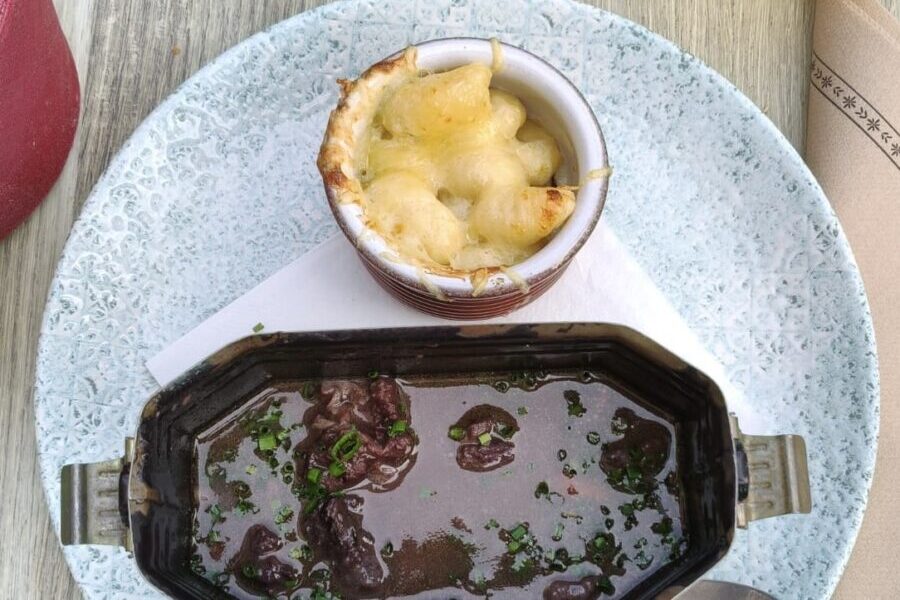
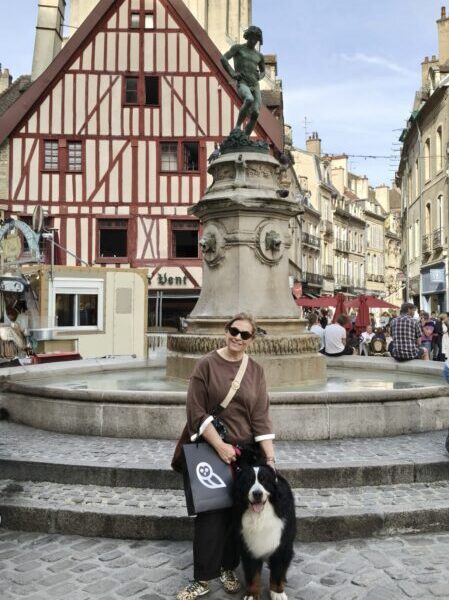
Before dinner at L’Epicerie & Cie, where we enjoyed traditional Burgundian cuisine accompanied by glasses of local wine, from Crémant de Bourgogne to Pinot Noir, we stopped for the ritual photo in Place Francois Rude, one of the most Instagrammed corners of Dijon.
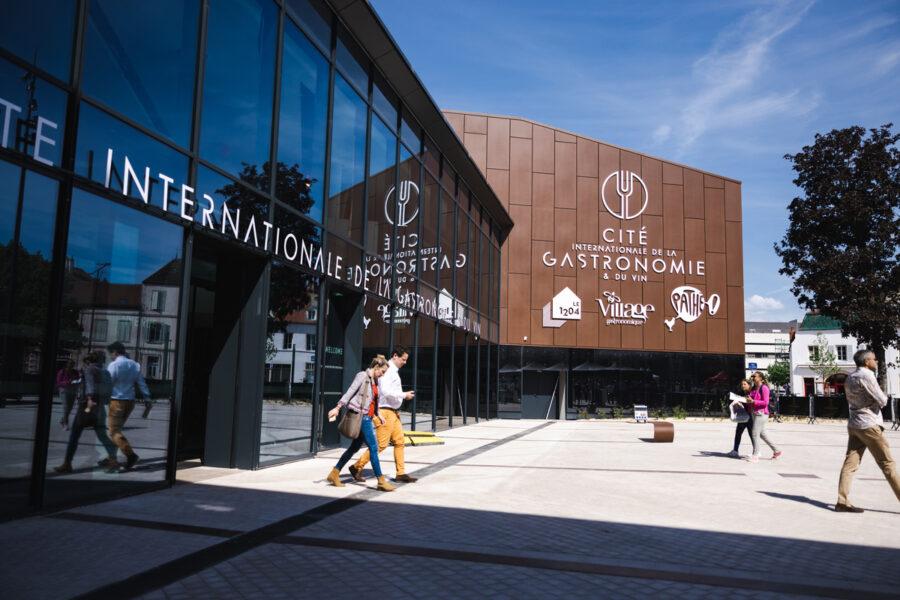
But there are so many wonderful views that you’ll need to return to Dijon, including to lose yourself in the fragrant and delicious spaces of the Cité internationale de la gastronomie et du vin, the world’s largest space for eating, shopping, and studying in the International Gastronomy Museum, housed in the former city hospital. Here, over 600 square meters spread over three levels, are lined with shops selling food, tableware, and kitchen utensils, as well as numerous bars and restaurants.Photo by www.citedelagastronomie-dijon.fr
As wine and food lovers, we can only promise to return soon to discover this land of plenty, so we’re writing with conviction: goodbye, Dijon!
This travel blog with the dog is a personal selection of our best experiences, our favorite spots and secrets places around the world curated by Rosalia e Michele.
Questo sito fa uso di cookies per migliorare la tua esperienza di navigazione e per offrire funzionalità aggiuntive. Chiudendo questo banner, scorrendo questa pagina o cliccando qualunque suo elemento acconsenti all’uso dei cookie AccettaScopri di più
Privacy & Cookies Policy
Privacy Overview
This website uses cookies to improve your experience while you navigate through the website. Out of these, the cookies that are categorized as necessary are stored on your browser as they are essential for the working of basic functionalities of the website. We also use third-party cookies that help us analyze and understand how you use this website. These cookies will be stored in your browser only with your consent. You also have the option to opt-out of these cookies. But opting out of some of these cookies may affect your browsing experience.
Necessary cookies are absolutely essential for the website to function properly. This category only includes cookies that ensures basic functionalities and security features of the website. These cookies do not store any personal information.
Any cookies that may not be particularly necessary for the website to function and is used specifically to collect user personal data via analytics, ads, other embedded contents are termed as non-necessary cookies. It is mandatory to procure user consent prior to running these cookies on your website.