






Saint-Étienne, capital of the Loire department and eternal rival of Lyon, capital of the Rhône department, both geographically in the Auvergne-Rhône-Alpes region, is a surprising city! And it was the first stop on the Tour de France with our Otto, organized in collaboration with the French Tourist Board Explore France.
Saint-Étienne and its surroundings with Explore France
In addition to representing the two opposing souls of this French area, the first as a working-class town defined as “the city of the people” and the second as a bourgeois, wealthy and somewhat snobbish metropolis, the towns are also divided by the heated football rivalry between the two teams AS Saint-Étienne and Olympique.
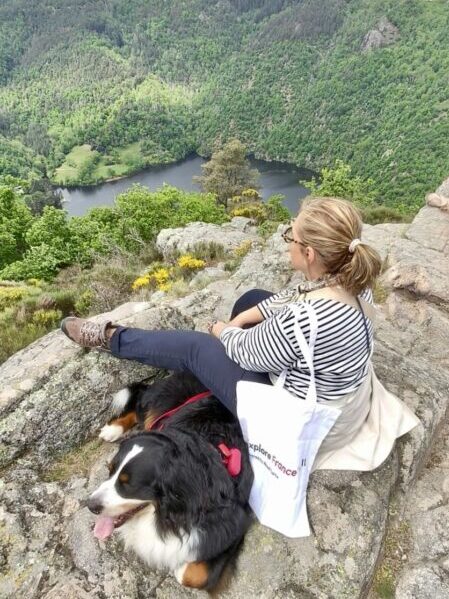
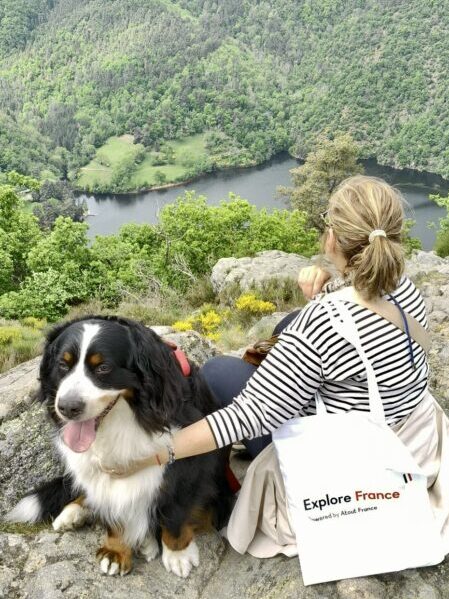
Geographically, it’s the heart of the Loire. When we think of the Loire, we often think of the famous Valley with its magnificent castles. But that’s just a portion of the territory crossed by France’s longest river, which, after a full 1,020 km, flows into the Atlantic, its source located near Saint-Étienne. They’re called the Loire Gorges and are a magnificent natural spectacle formed by what’s known as Europe’s last wild river.


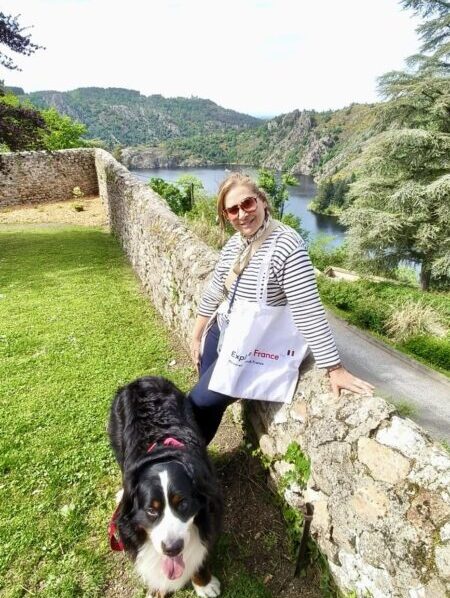
Walking with our four-legged friend along the paths overlooking the gorges allowed us to admire breathtaking views of the first Loire castles, strategically positioned sentinels to monitor the territory from above. They are nothing like those built centuries later as summer residences for sovereigns and court nobility, such as the famous Chambord, Chenonceau and Amboise. The castles here are austere medieval fortresses that, like stone lacework, adorn the edges of the high cliffs that emerge from the green waters of the river and Lake Grangent. The artificial lake was created in 1957 by damming the river: the view from the Plateau de la Dance of the eponymous castle, which seems to float on the water, is marvelous, with the village of Saint-Victor-sur-Loire and the Château de Chambles visible opposite.
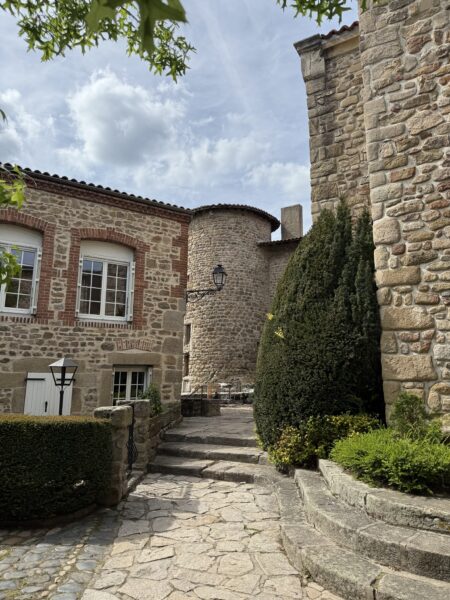

A visit to the charming medieval village of Saint-Victor-sur-Loire is a must, for a stroll through the cobbled streets that lead to its castle and the beach and docks of what is considered one of the largest inland ports in France, with approximately 300 boats moored year-round.
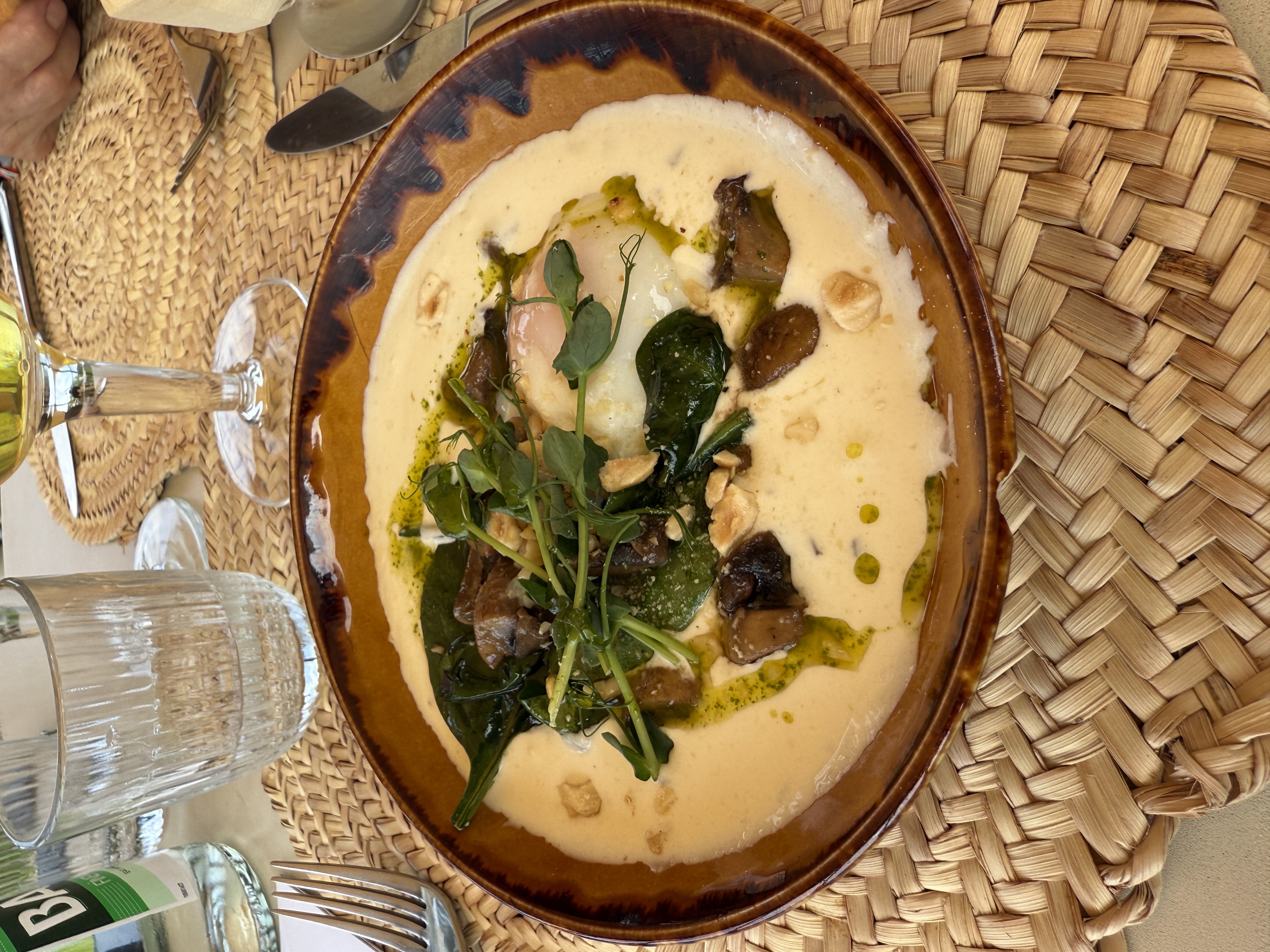
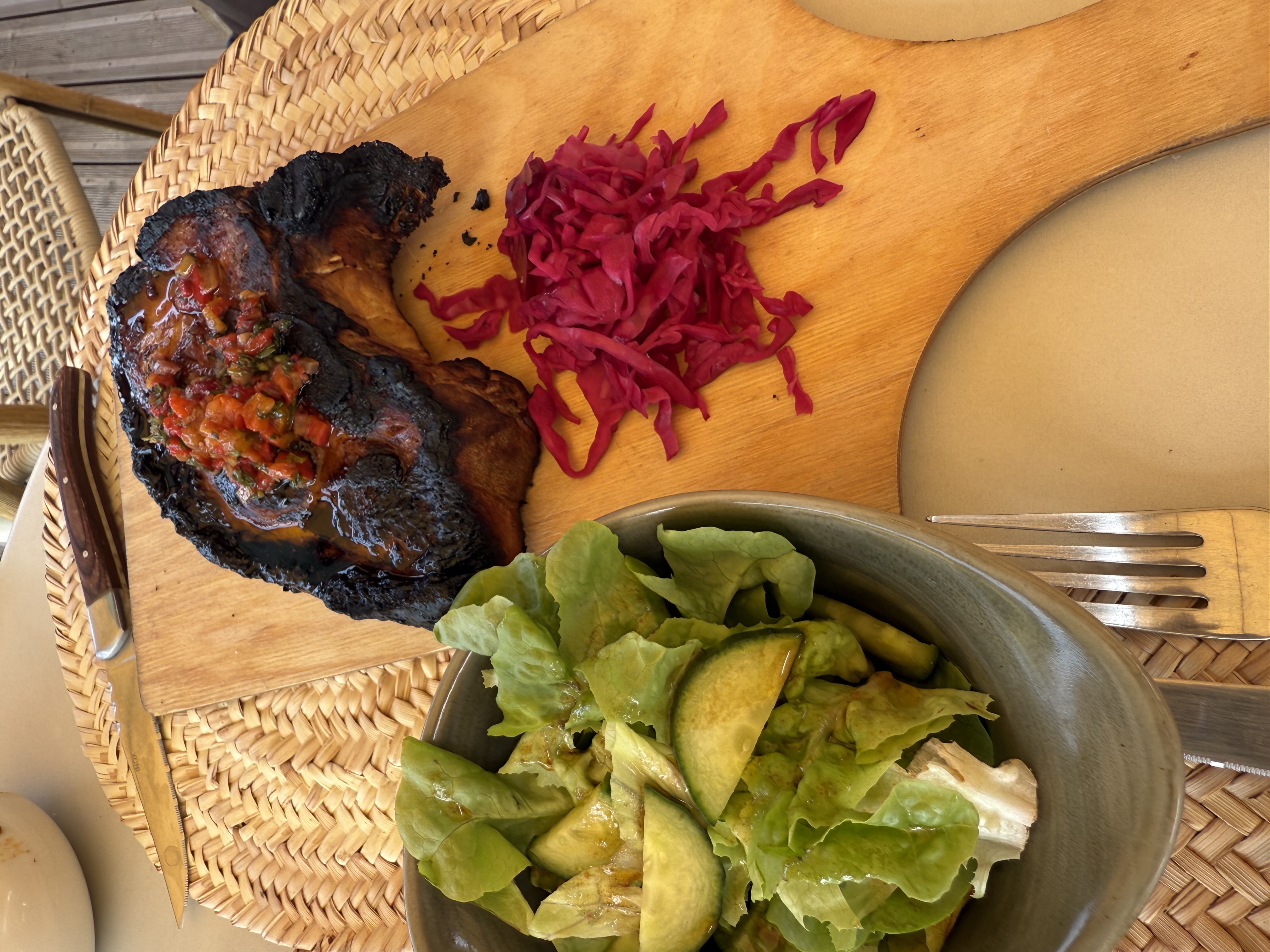


And if after all that exercise your stomach is calling for a bite, the next stop is Victor Brasserie, where the already rich and delicious menu offers the most satisfying aspect of the extraordinary view of the Loire Gorges and the Châtelet Peninsula.
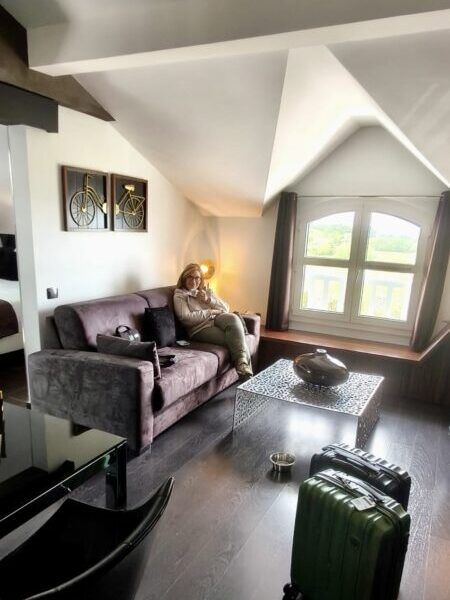

After all this walking we were feeling tired so we took refuge in the suite at the elegant Hotel du Golf, nestled among the greenery of the golf courses just a short distance from the center of Saint-Étienne, where Otto also found all his comforts. Upon arrival, we received a welcome note along with a plate of fresh fruit as a courtesy from the management: a very promising start to our tour organized in collaboration with Explore France!
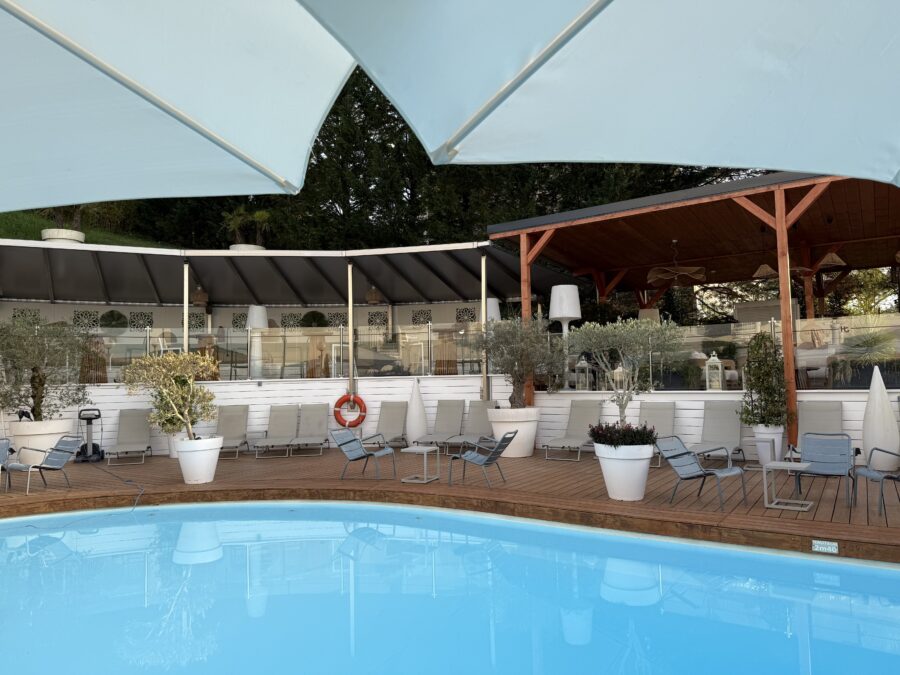
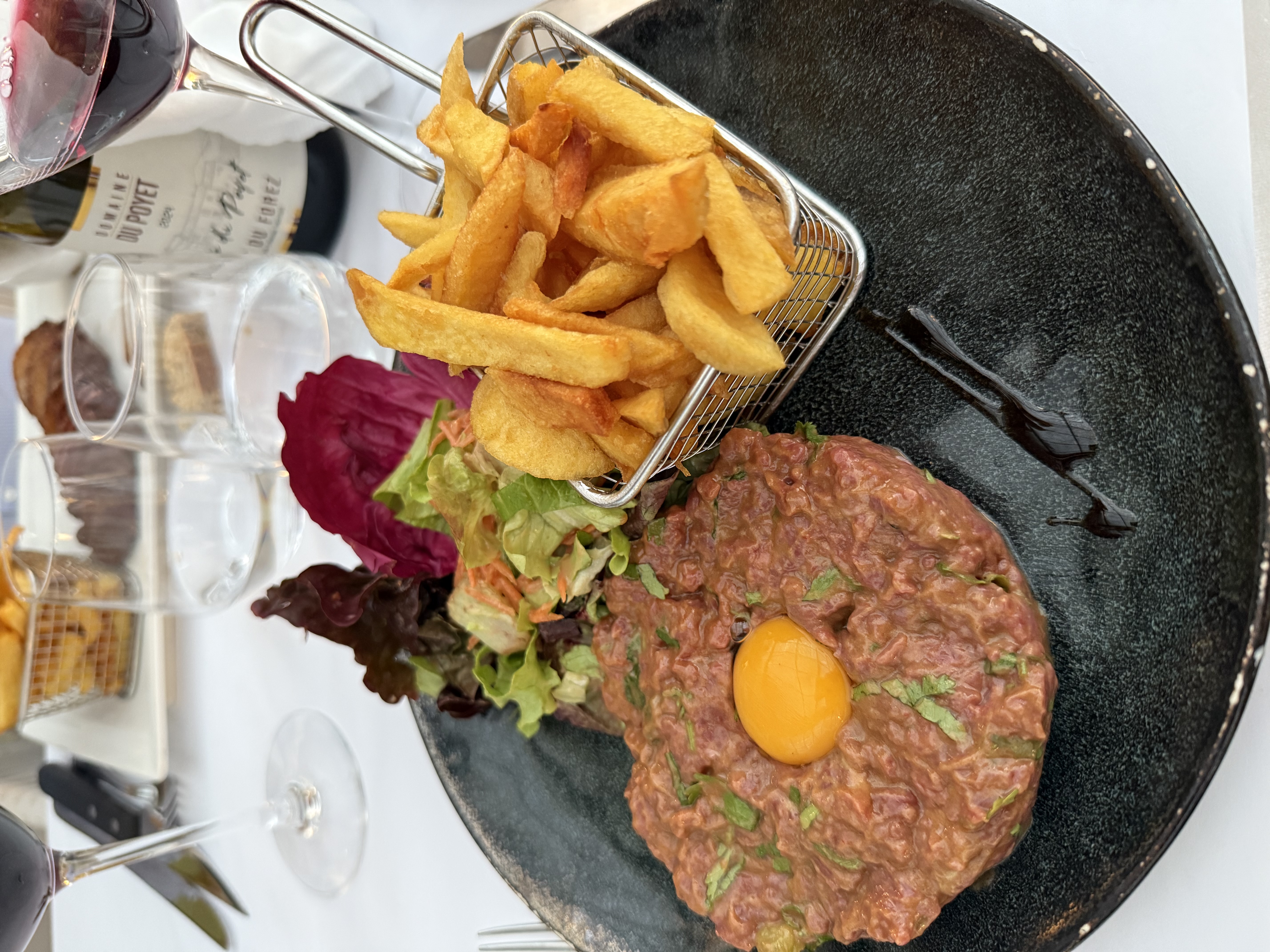
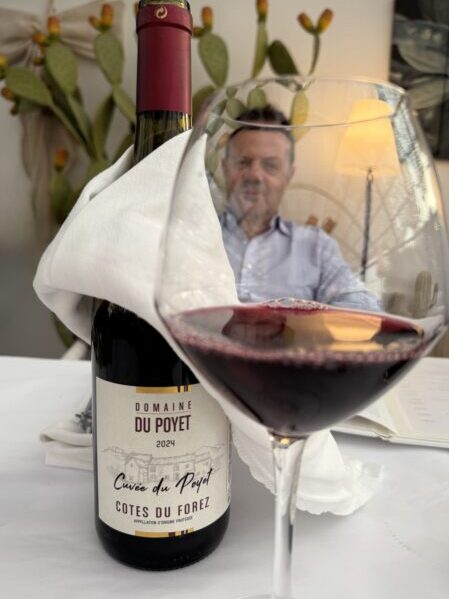
This was followed by an excellent dinner at L’Albatros, the hotel’s restaurant, served on the terrace overlooking the pool. During this dinner, we began to learn about and taste the local cuisine paired with local wines. While not as famous as the wines of Burgundy, Alsace, and Champagne, they have a distinct character derived from the volcanic soil of the Massif Central hills above the Loire Valley.
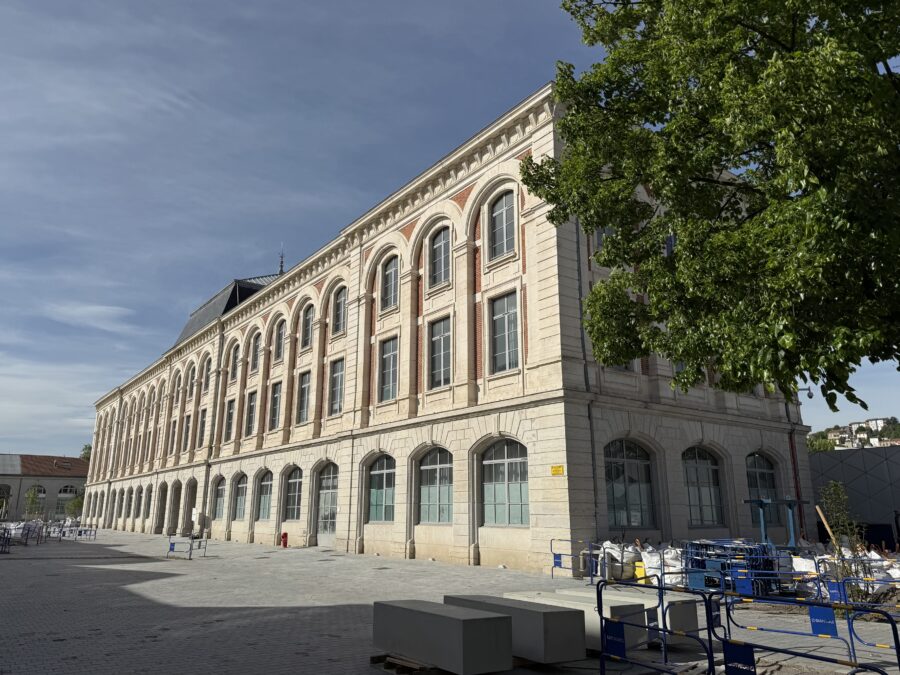
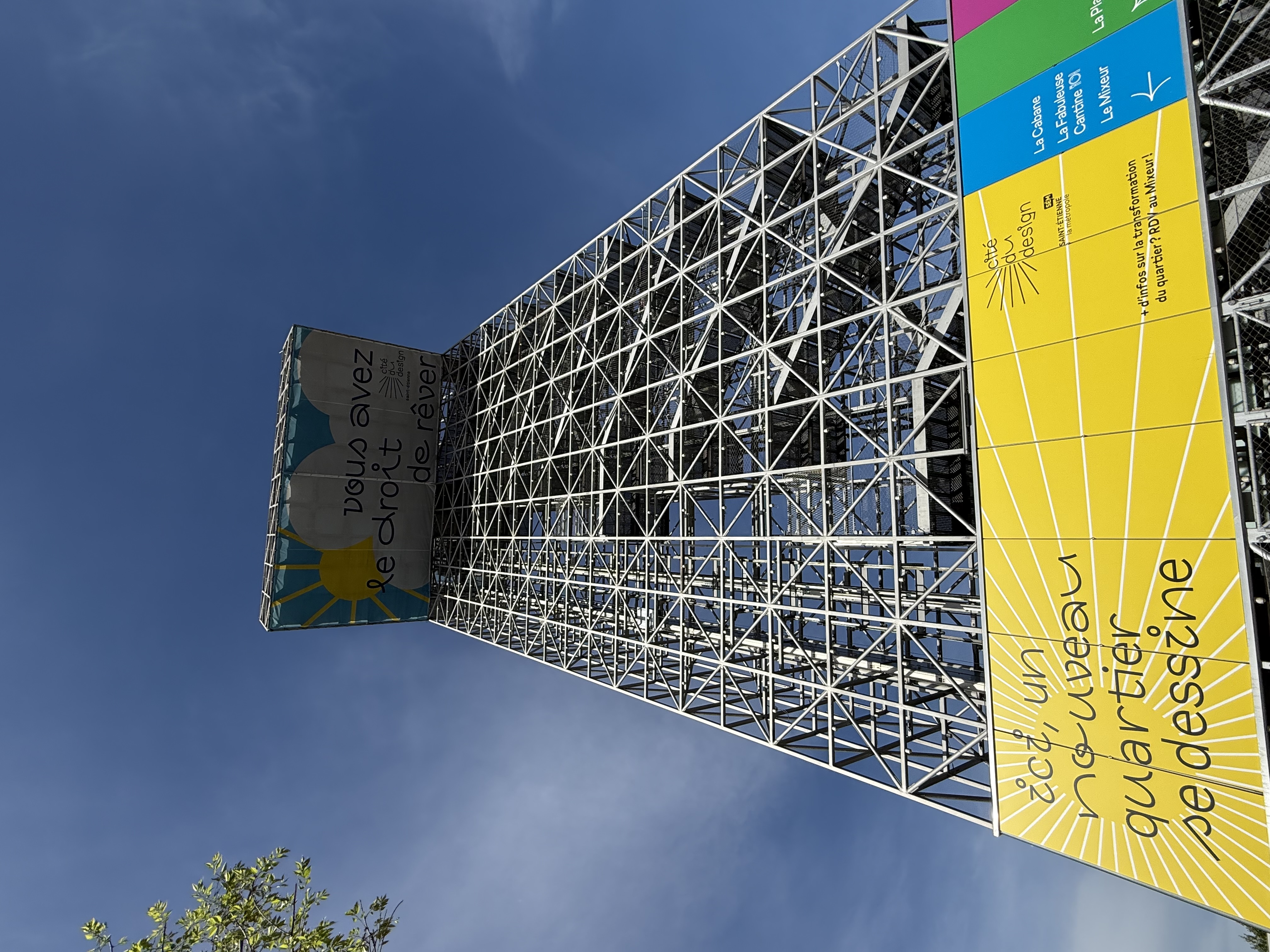
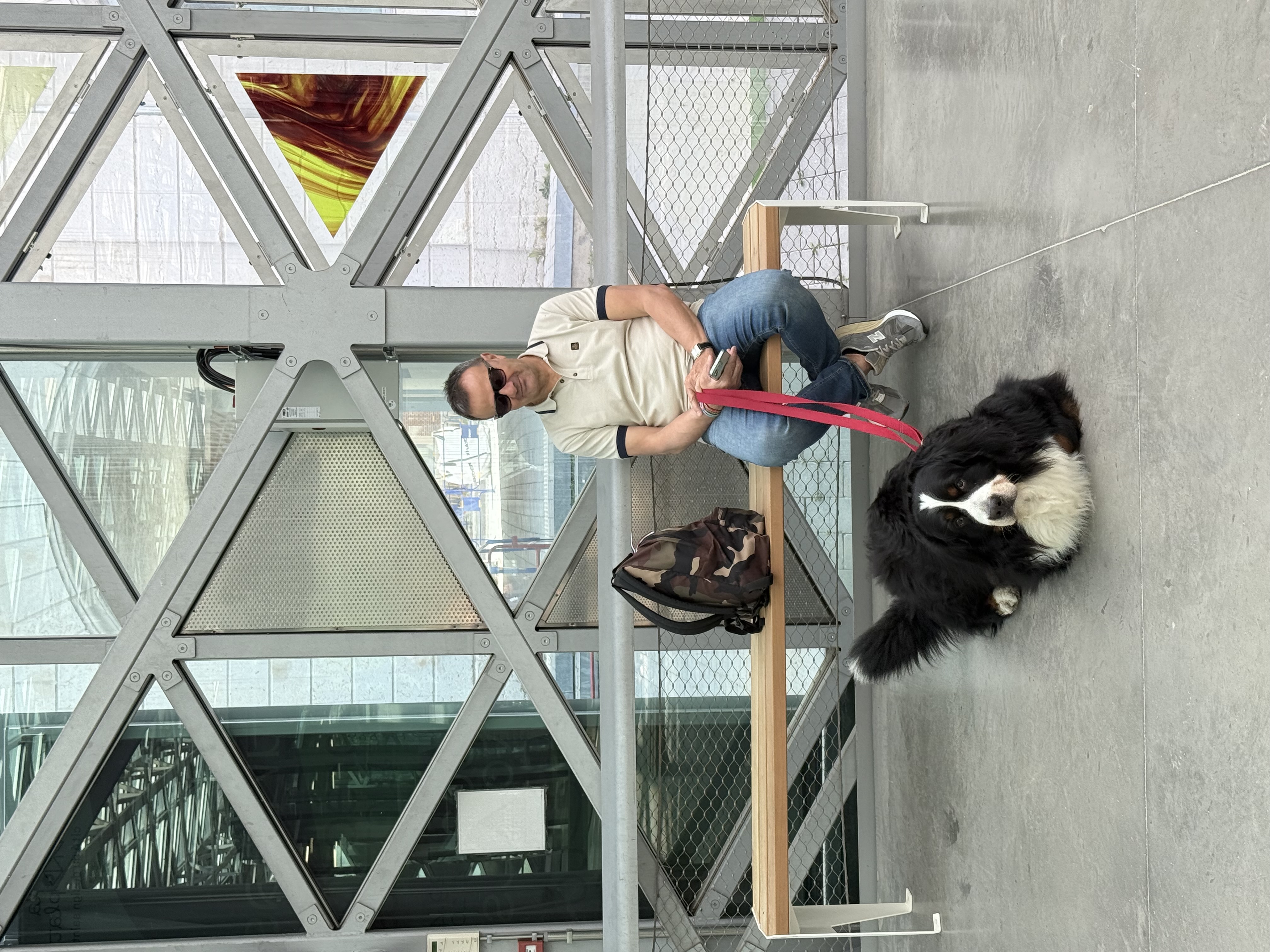
Returning to Saint-Étienne and its history, the city has reinvented itself over the last twenty years: from an industrial hub, it has become the French capital of design, so much so that in 2010 it was recognized by UNESCO as a Creative City of Design with a dedicated space called the Cité du Design, located in the former Arms Factory, which hosts permanent exhibitions and an international event, the Design Biennale.


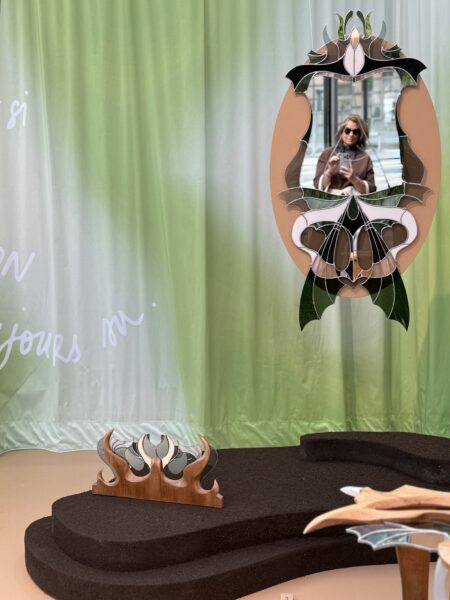

Currently, while awaiting the opening of the Galerie national du design, the first space entirely dedicated to the promotion and understanding of design, with the inaugural exhibition “Design en main. Du langage à l’objet”, visitors can visit, among other exhibitions, “Créer un vase”, until September 20th, featuring 21 projects developed in as many different ways around an everyday object like the vase, and the exhibition “Briches Fertiles” by Anaïs Borie, an emerging French designer, until October 4th, which immerses visitors in her original hybrid creations.

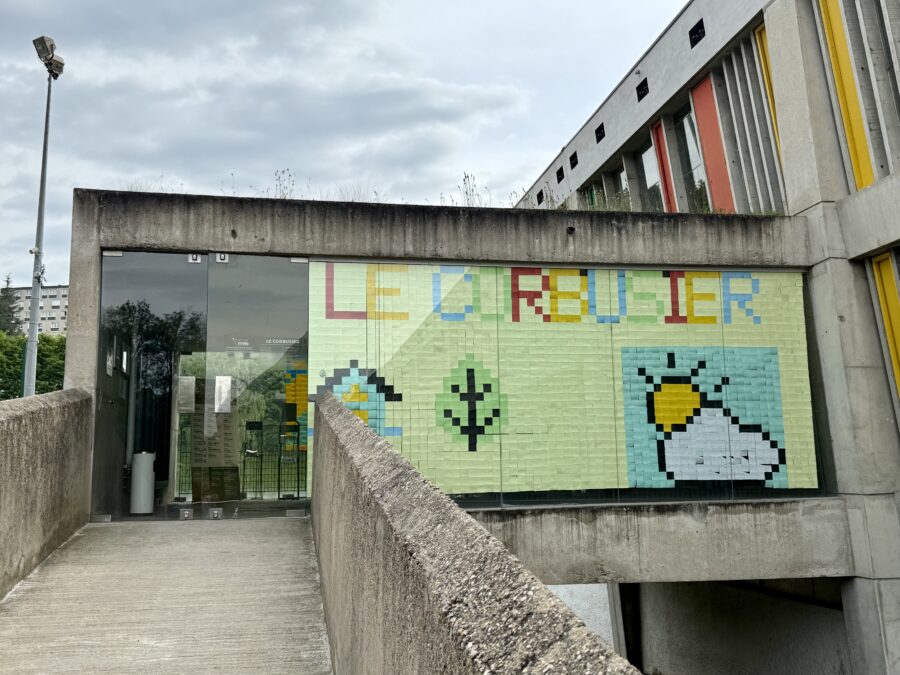
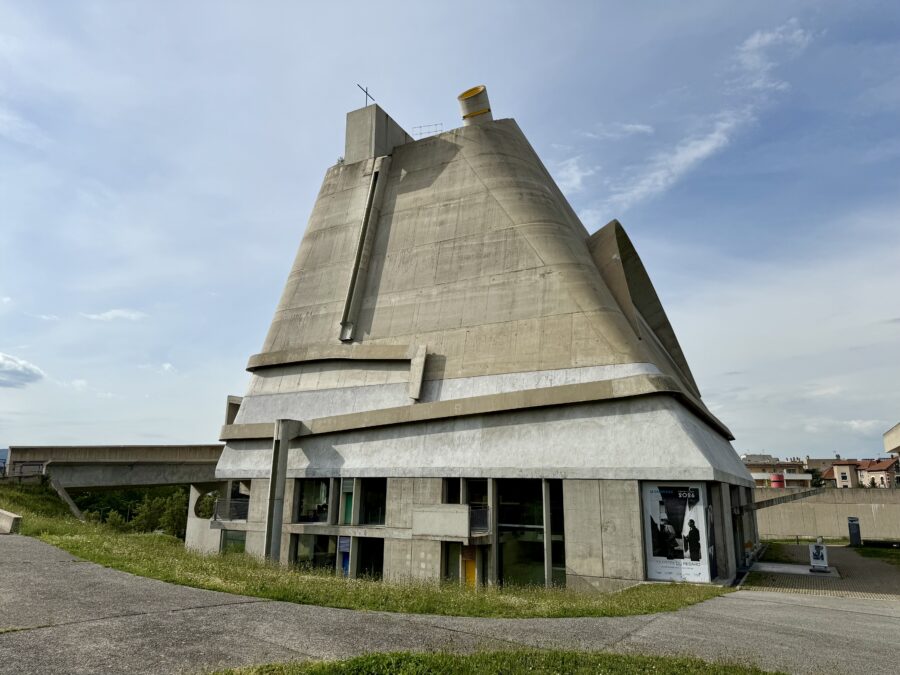
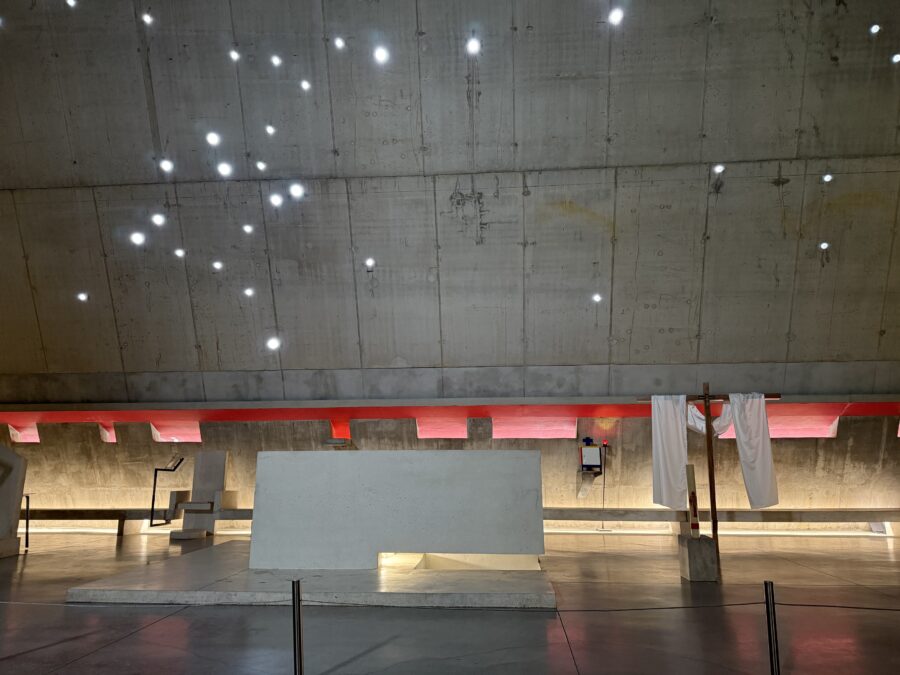
Even earlier, in the 1960s, in the nearby center of Firminy, the Swiss-born naturalized French architect Le Corbusier designed his ideal city with the Unité d’Habitation, the church, the swimming pool, the stadium and the Maison de la Culture, declared a UNESCO World Heritage Site in 2016. Of all the projects, why is the Maison de la Culture only a World Heritage Site? Our guide Estelle explained: it is the only one Le Corbusier was able to see completed before his death, while the others were carried forward according to his original designs, such as the spectacular Church of Saint-Pierre, construction of which began in 1973 and was completed in 2016 using modern techniques and materials. Inside, the lighting effects on the nave walls are extraordinary, while the lower section houses an exhibition center with sketches, drawings and sculptures.

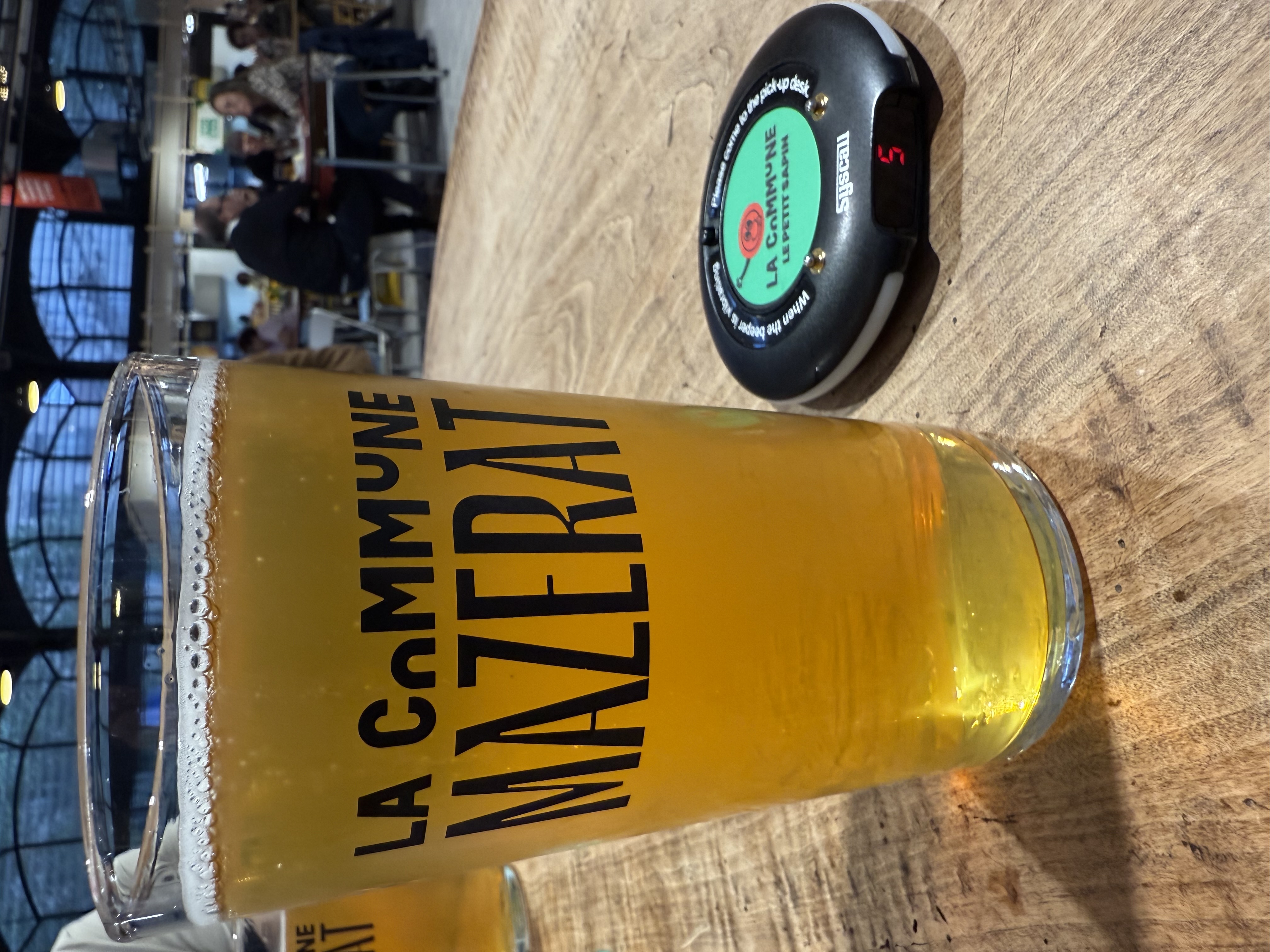
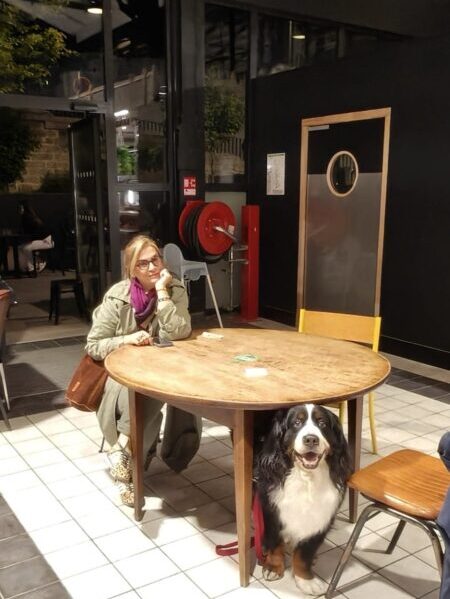
Saint-Étienne also surprised us with its food. Not so much with what we ate, but with where we ate it. On our first evening, we went to La Commune Mazerat a covered market and multipurpose space located in the city center. It hosts several food stalls, with a focus on artisanal and homemade products, a friendly bar, and a cultural and events center. This project, inaugurated in January of this year, has a truly delightful format!
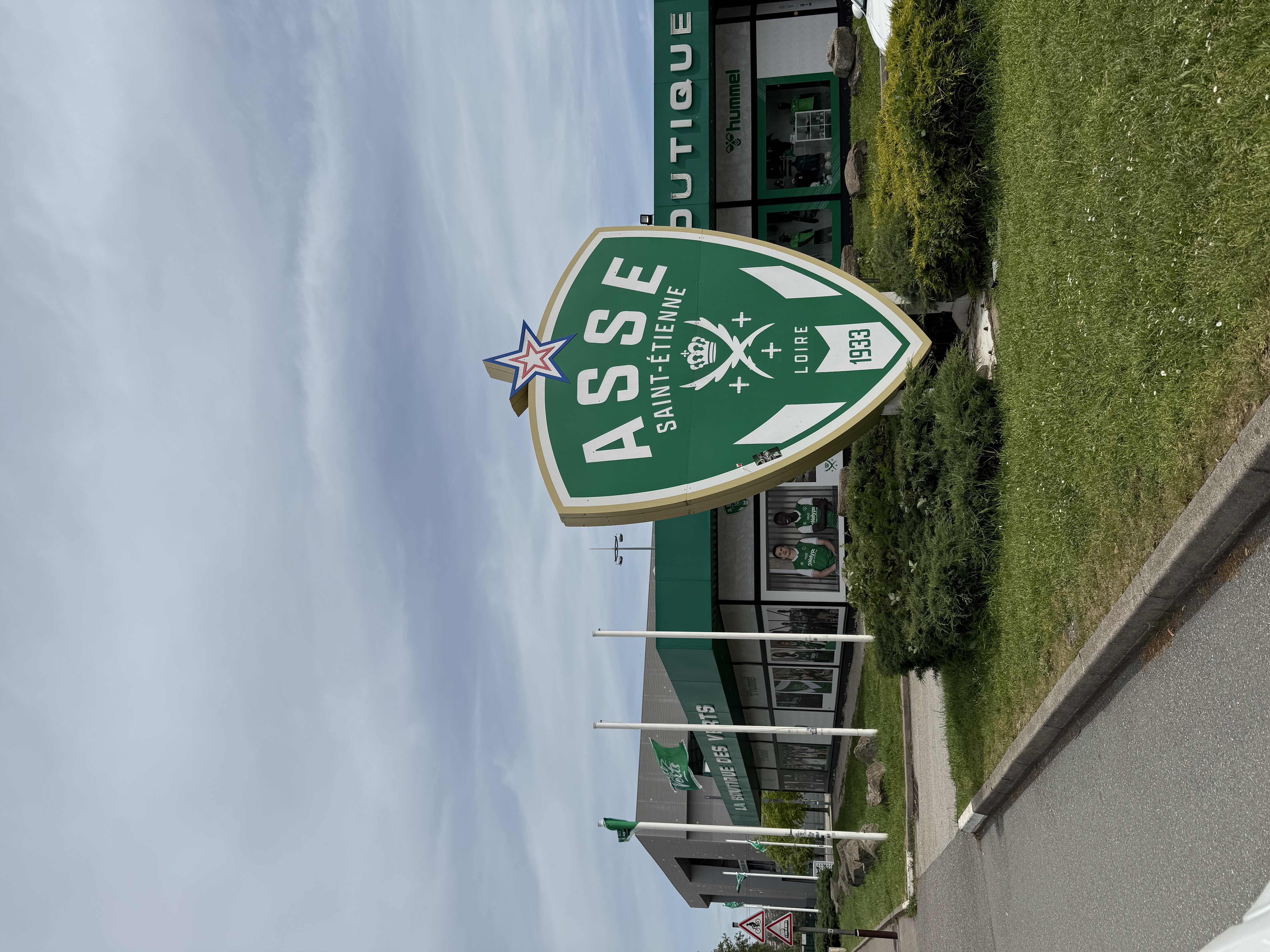

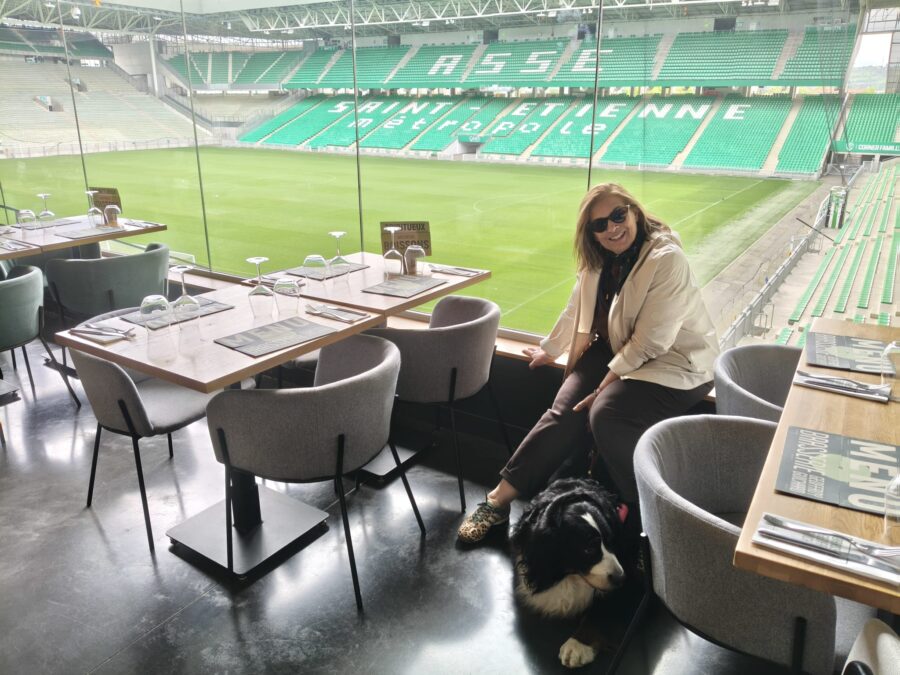
Before leaving Saint-Étienne, we stopped for lunch at a very special place, the Brasserie Geoffroy Guichard, located inside the stadium of the same name, home to the city’s highly-followed team, affectionately known as Les Verts, after the color of their jersey. We’d never eaten overlooking the stadium before! It’s worth noting that, except at the Site Le Corbusier and the Cité du Design, where dogs other than service dogs are not allowed, Otto accompanied us and was welcomed everywhere.
In collaboration with Explore France, Auvergne-Rhône-Alpes Tourisme, Saint-Étienne Hors-Cadre

