






Besançon is a jewel of a city boasting a rich architectural heritage, yet it is less well-known than other French cities. We had heard of it first, but had never included it in our French tours. Here, you can breathe in 2,000 years of history, beginning with the ancient Gallo-Roman city of Vesontio, founded in the 1st century BC. Julius Caesar later mentioned it in “De Bello Gallico” after conquering the strategic site in 58 BC during his campaign in Gaul.
An elegant city between art and watches
Today, Besançon is the capital of the Burgundy-Franche-Comté region and extends along the scenic bends of the Doubs River, dominated by the Citadel, Vauban’s masterpiece and a UNESCO World Heritage Site since 2008. We couldn’t resist the invitation from Explore France and the Tourist Office to stop in the city, modifying our tour. Unfortunately, the gloomy day prevented us from fully enjoying the spectacular views from the high ramparts of the Citadel walls.
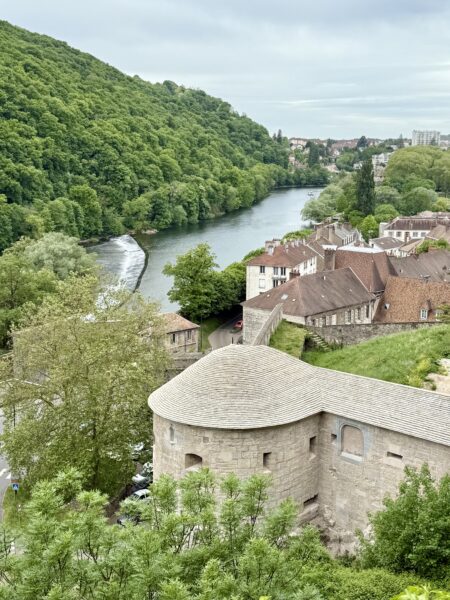
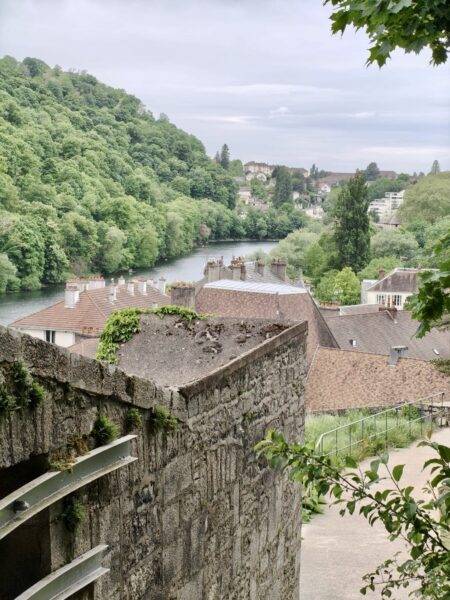
Our itinerary began by climbing from the banks of the Doubs to the military fortress built by architect Sébastien Le Prestre de Vauban, military engineer to King Louis XIV, on the hill of Saint-Etienne between the late 17th and early 18th centuries. The effort was rewarded by the exceptional view of the city, but there are easier ways, such as car and bus, to reach what is considered the symbol of Besançon, as well as the most visited monument in the Bourgogne-Franche-Comté region.
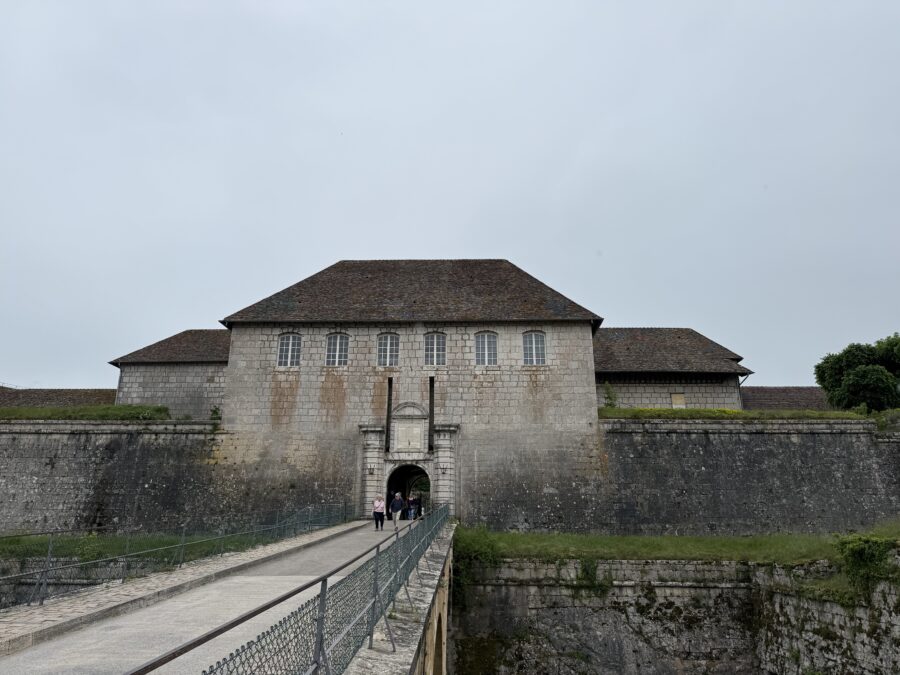
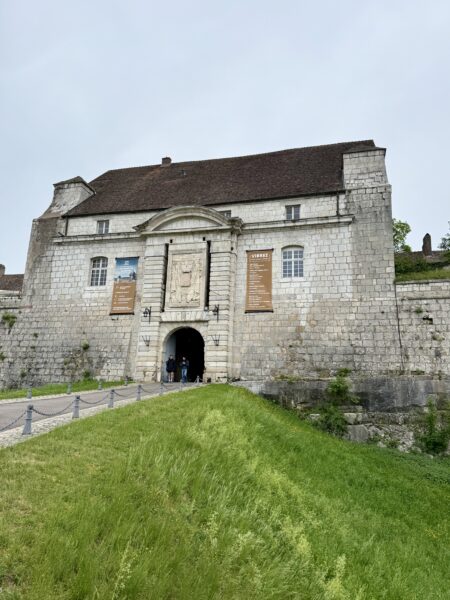
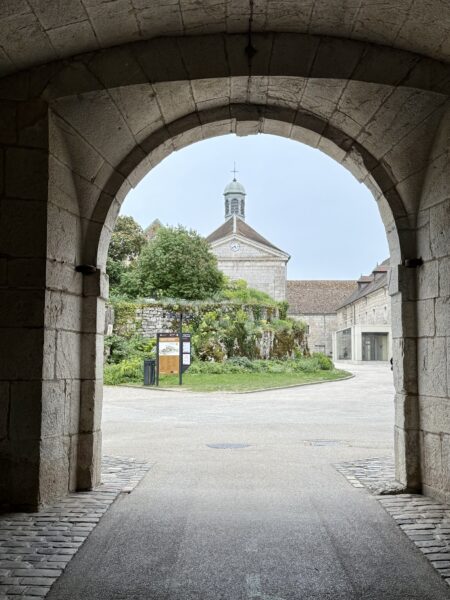
Inside, past the bridge, the large gate, and another steep climb through the green gardens, are the Museum of Resistance and Deportation, the Museum of Franche-Comté and the Experimental Museum of Rare Botanical Species, divided into five areas: the Zoological Garden, the Aquarium, the Insectarium, the Noctarium, and the Naturalium.


I would have loved to visit the Museum of the Resistance: here, the Germans imprisoned the Allies until 1944, shooting about a hundred partisans. After the liberation, it was the Germans’ turn to be imprisoned. Today, it houses over 100,000 objects, including a collection of deportation art, unique in Europe. Unfortunately, we were unable to enter as dogs are not allowed inside the Citadel, but as we headed towards the guard path that offers splendid views of Besançon from above, we noticed strange presences on the walls: ibex and gelada monkeys, which despite their geographically distant territories coexist peacefully here.

A downhill stretch of road easily connects the Citadelle to the historic core of the city, known as La Boucle, or “the ring,” surrounded by seven hills, some of which still retain ancient defensive structures. We spent the night in one of these, which still boasts a privileged view of the city on one side and the Jura mountains on the other.

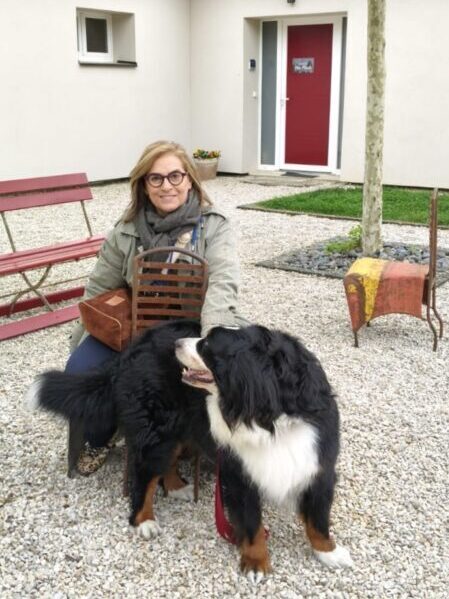
Transformed into a pleasant structure called La Maison du Fort de Fontain, it combines three cozy, independent houses that the current owners, Marie-Anne and André Spony, have created within the fort, built in the 19th century to a design by military engineer and General Séré de Rivières and never used. Since 2016, Marie-Anne and André have welcomed their guests in the homes named after figures linked to its history: General Séré de Rivières, Marshal Mac-Mahon and Marulaz, the defender of Besançon during the siege of 1814.
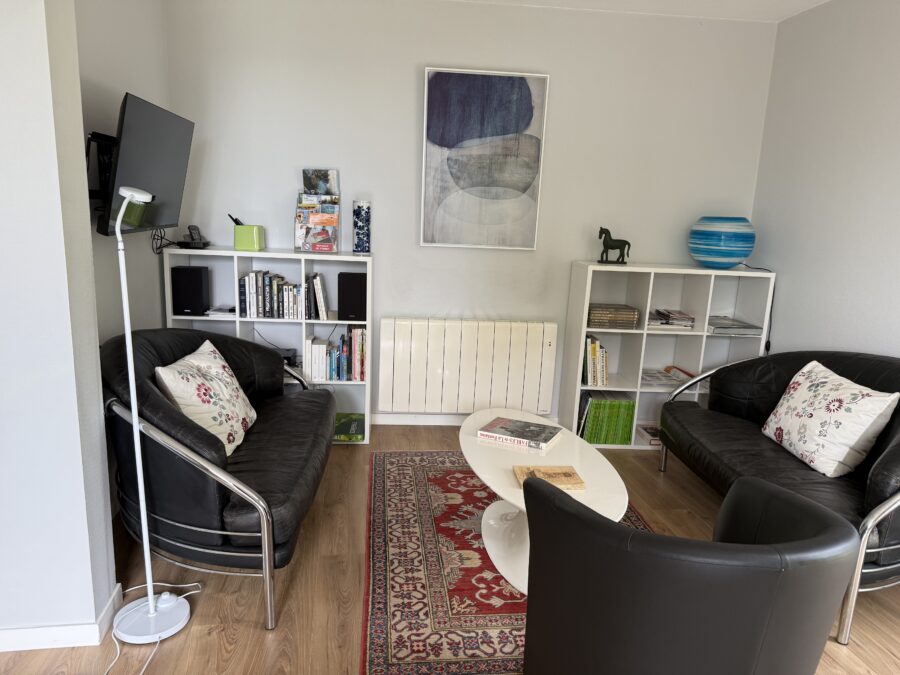
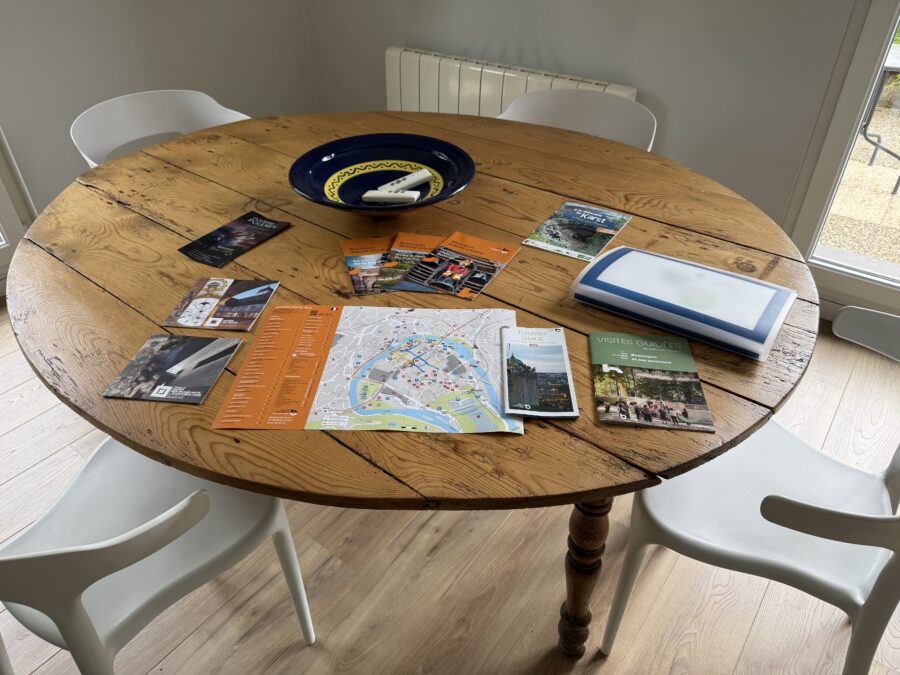
Our comfortable and spacious home was dedicated to Séré de Rivières, spread over two floors, with two bathrooms and two bedrooms, a cozy living room with sofas, armchairs, and a dining area, and two terraces overlooking the woods that surround the fort and the peaks of the Jura mountain range separating France from Switzerland. The fort is not open to the public, but can be visited if accompanied by André, who was unable to do so this time. So, the kind and thoughtful hosts offered to host us again so we could delve deeper into the history of the Maison du Fort de Fontain. We hope to take advantage of this welcome invitation soon.


Walking through the city, one senses a refined atmosphere and a focus on culture, but one also senses the dynamism of a vibrant city center, fueled by the presence of the University of Franche-Comté, yet uncongested despite the bustle of passersby among the brasseries, restaurants, and shop windows.


During our visit, our attention was drawn to the Hôtel Boitouset, an elegant mansion built in the second half of the 18th century as the residence of Canon François Boitouset. It’s not open to the public, but its façade features a beautiful sundial. How could we resist stopping in the rain to photograph what we’ve chosen as our symbol?
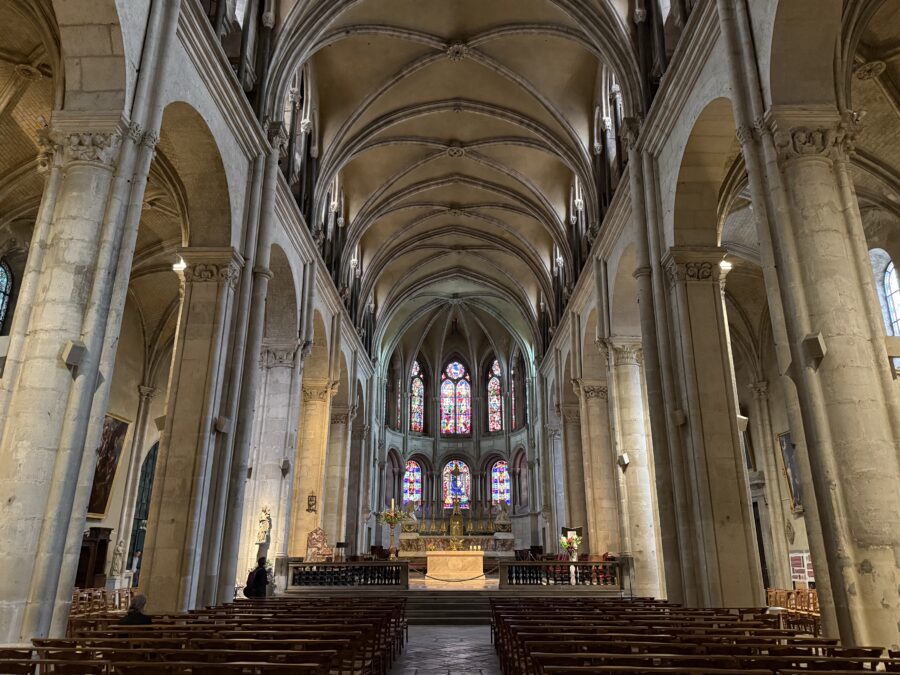
Opposite, a short staircase leads to the entrance of the Cathedral dedicated to Saint John, an architectural masterpiece blending Romanesque, Gothic, and Baroque styles. Famous for its extremely rare double-choir plan with a Gothic apse and a Baroque apse at either end of the central nave, the true treasure inside the bell tower is a truly unique astronomical clock.

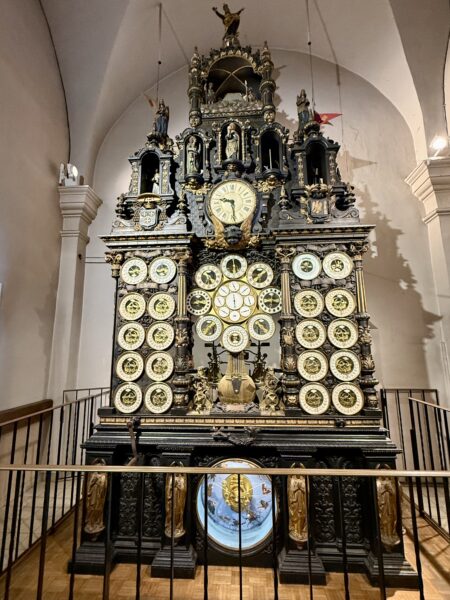


Made from 1857 to 1860 by the Beauvais master clockmaker Auguste-Lucien Vérité at the request of Cardinal Matthieu, it is composed of over 30,000 parts and 11 movements. The 57 dials, each depicting a scene from the life of Jesus, surrounded by various religious figures—the Madonna, saints, and angels—can provide over 100 different indications, such as time, seasons, planetary movements, solar eclipses, lunar phases, zodiac signs, tides, and solstices in over 20 countries around the world. Watching it is mesmerizing!

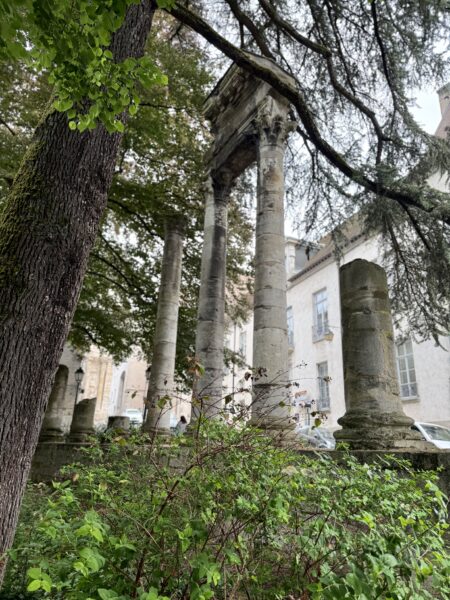
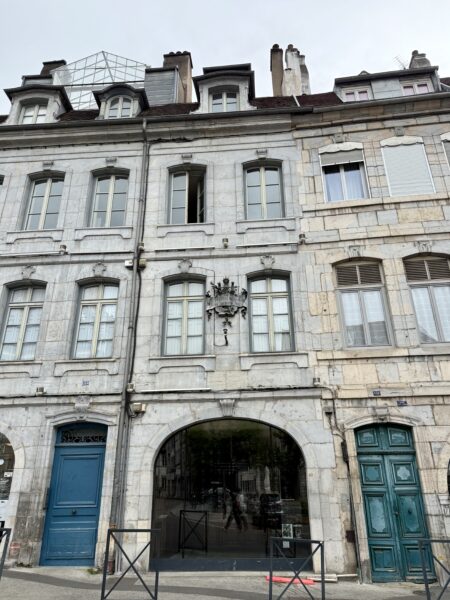
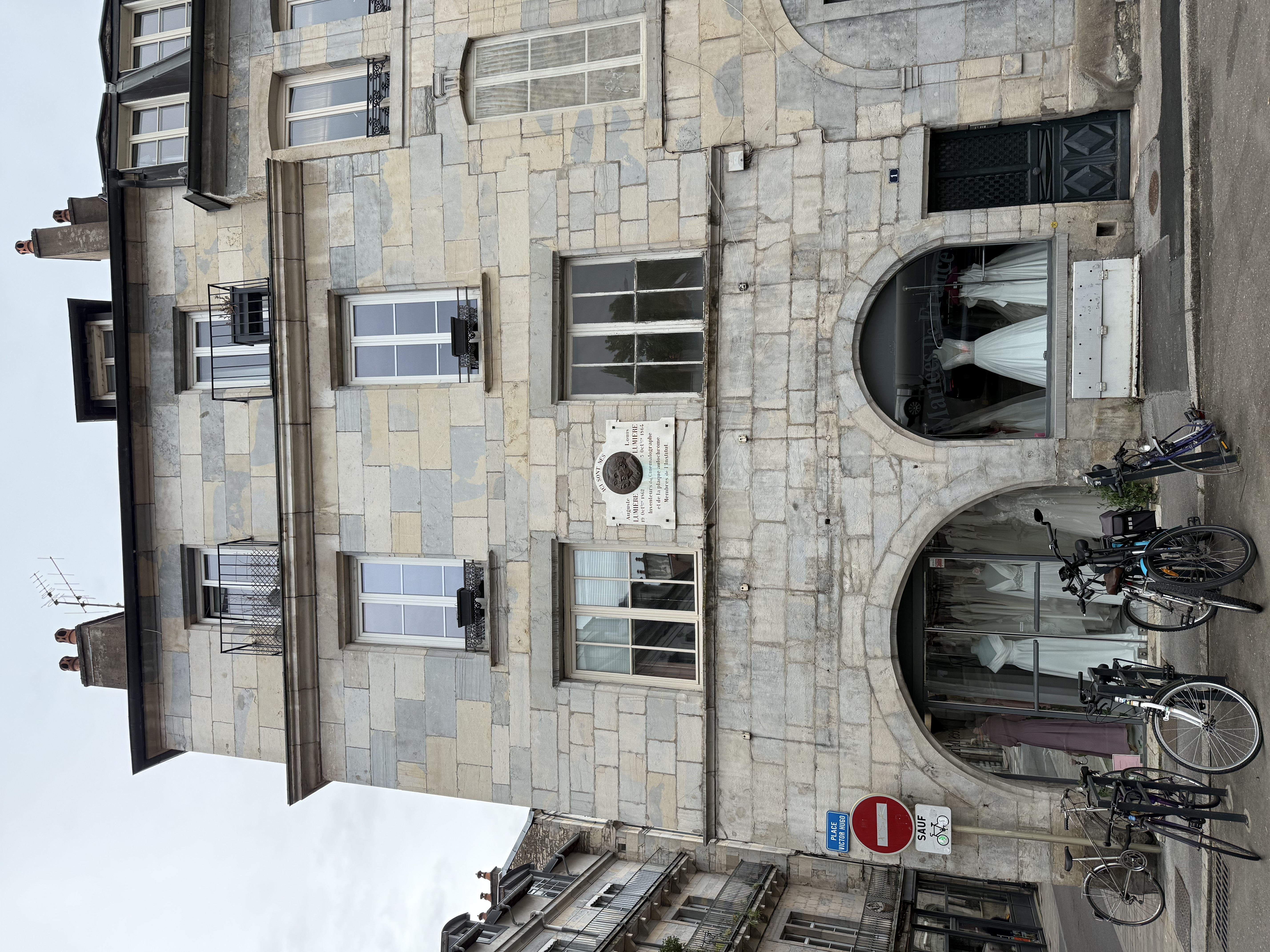
After visiting these wonders, we continued toward the Niger Arch, also known as the Black Gate, erected in 175 BC to celebrate the victories of Marcus Aurelius. Made of precious Vergenne stone and approximately 20 meters high, it marks the entrance to the fortified citadel and is a UNESCO World Heritage Site. Nearby are the remains of ancient Vesontio, including the remains of the large amphitheater and aqueduct, and the columns of a theater. A few steps away are the birthplaces of Victor Hugo and the Lumière brothers, just meters apart.


On the Grand Rue, the main street, among elegant buildings from various eras, are the Town Hall and the 16th-century Palais Grenvelle, which houses the Time Museum, full of unique pieces illustrating Besançon’s watchmaking tradition. A UNESCO Intangible Cultural Heritage site since 2020, the museum boasts around 400 workshops, a watchmaking school, and an observatory that monitored and disseminated artisanal knowledge until the last century.
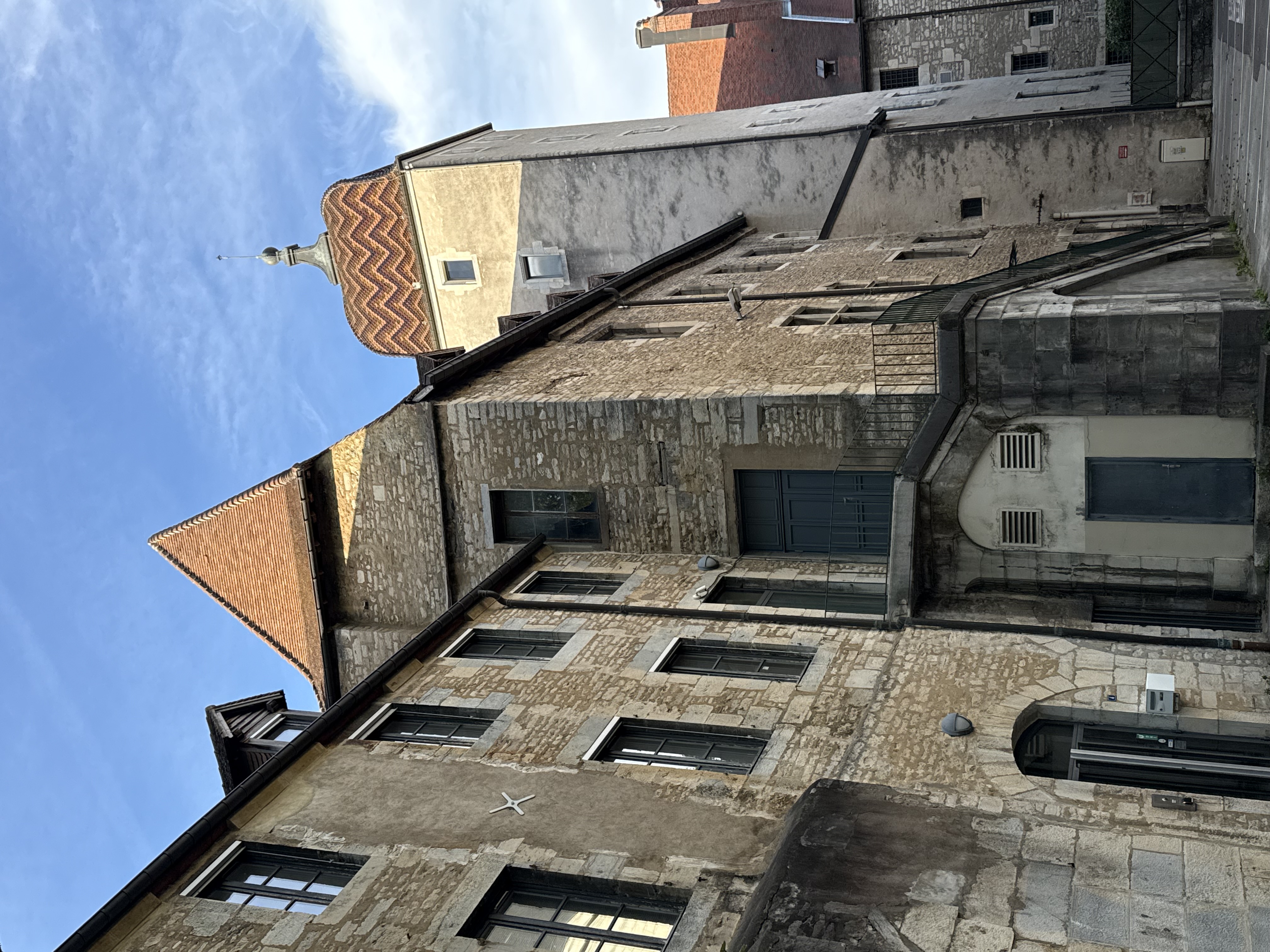
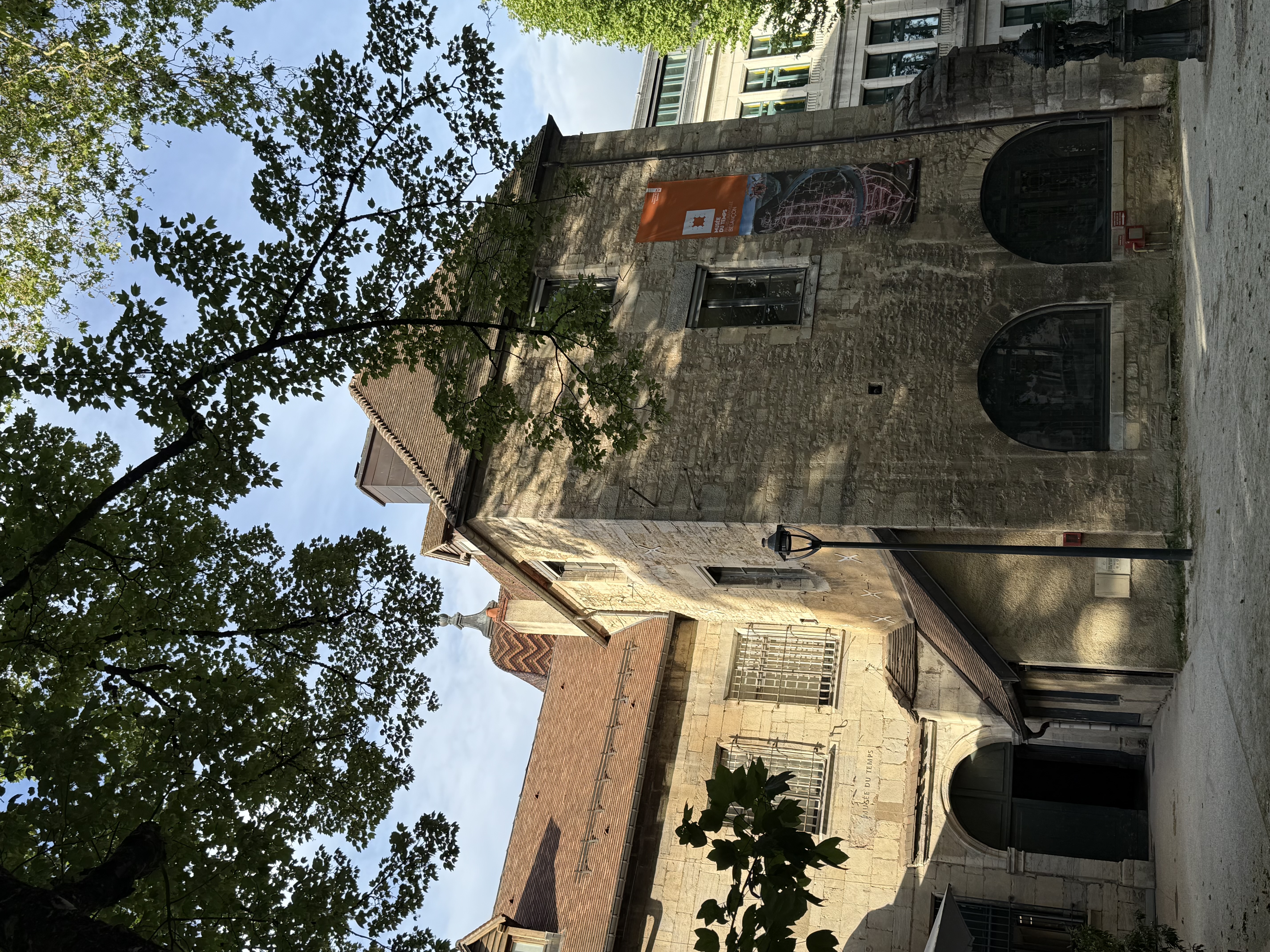
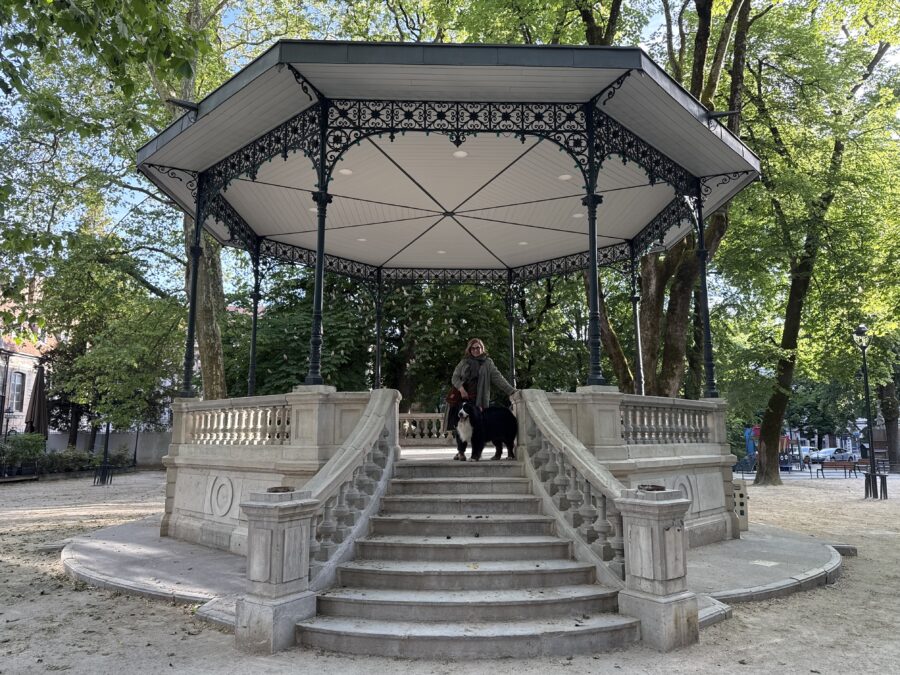
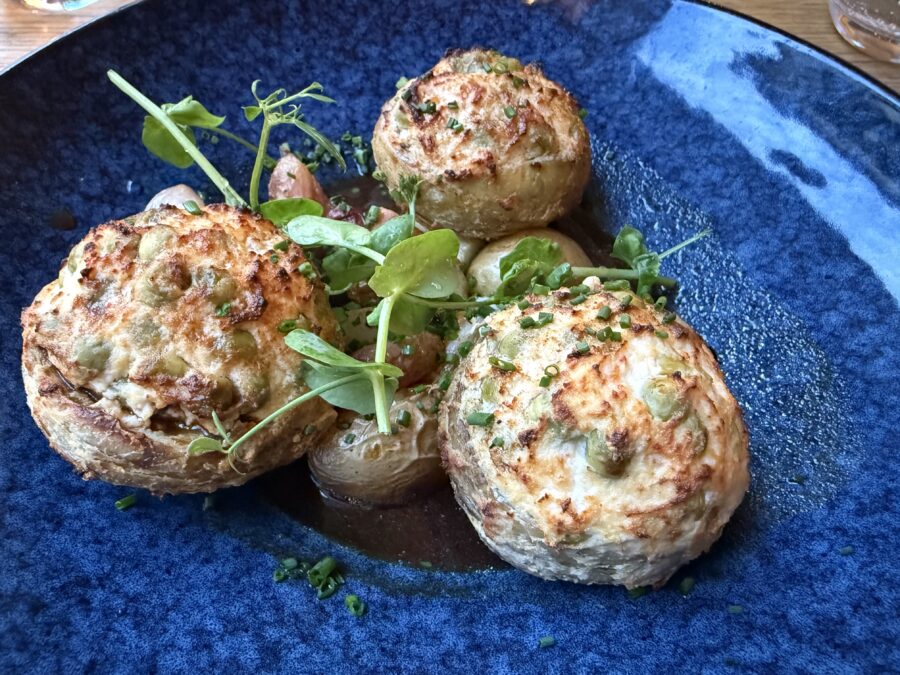
When the sun reappeared, we sat down at Brasserie Grenvelle for an aperitif in the tree-lined square before heading to dinner at Le Cercle, where we enjoyed refined local cuisine in an elegant setting where there were no less than six dogs present but you couldn’t hear a fly!



In collaboration with Explore France, Besançon-Tourisme, Region Bourgogne Franche Comte

