







Loches itself is worth the detour—as evidenced by its inclusion in the “Plus Beaux Détours de France” (France’s most beautiful detours)—but it is also worth spending a few extra days in the area to discover the garden villages of Beaulieu-les-Loches and Chédigny.
Beaulieu-les-Loches e Chédigny
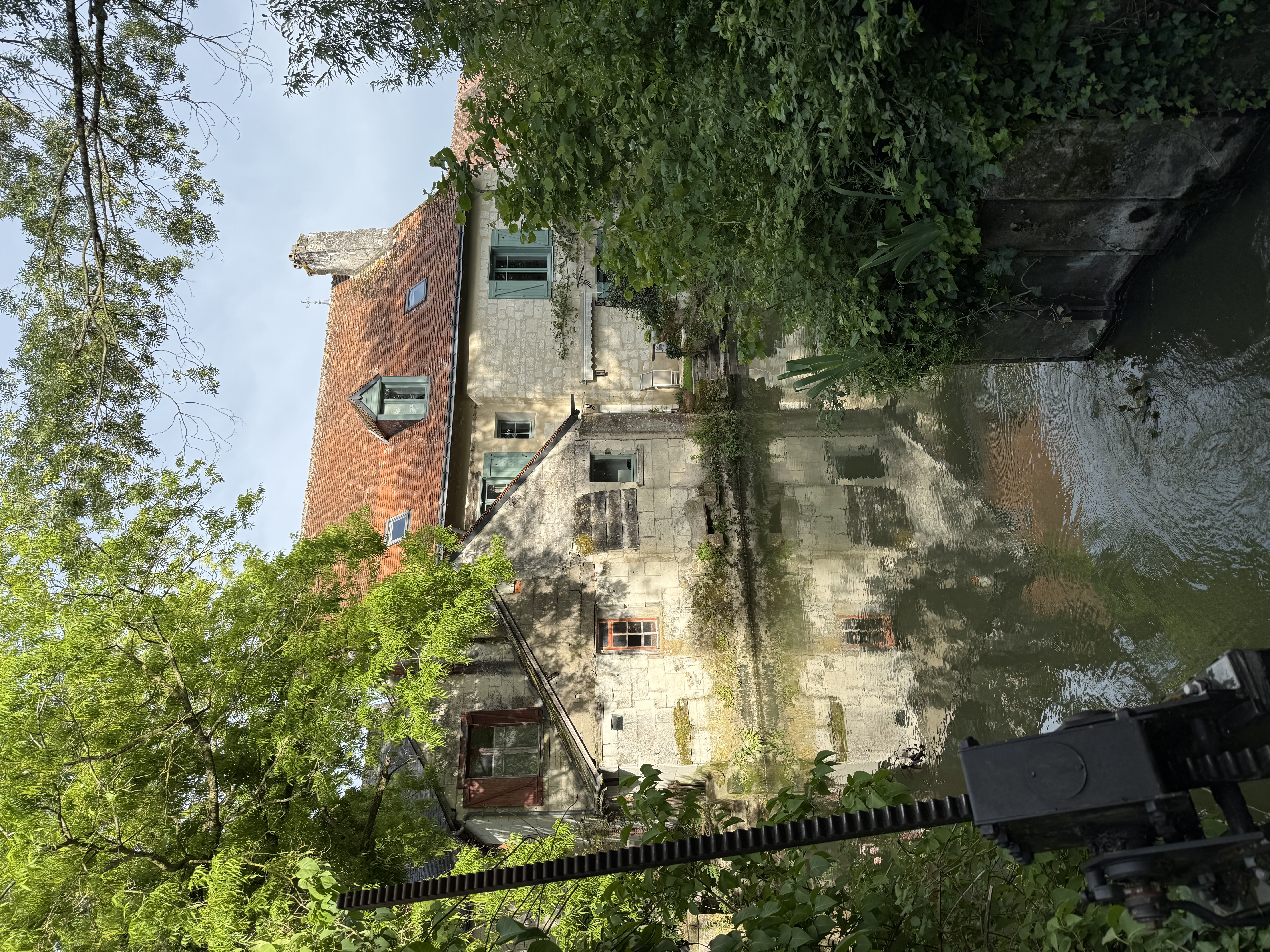
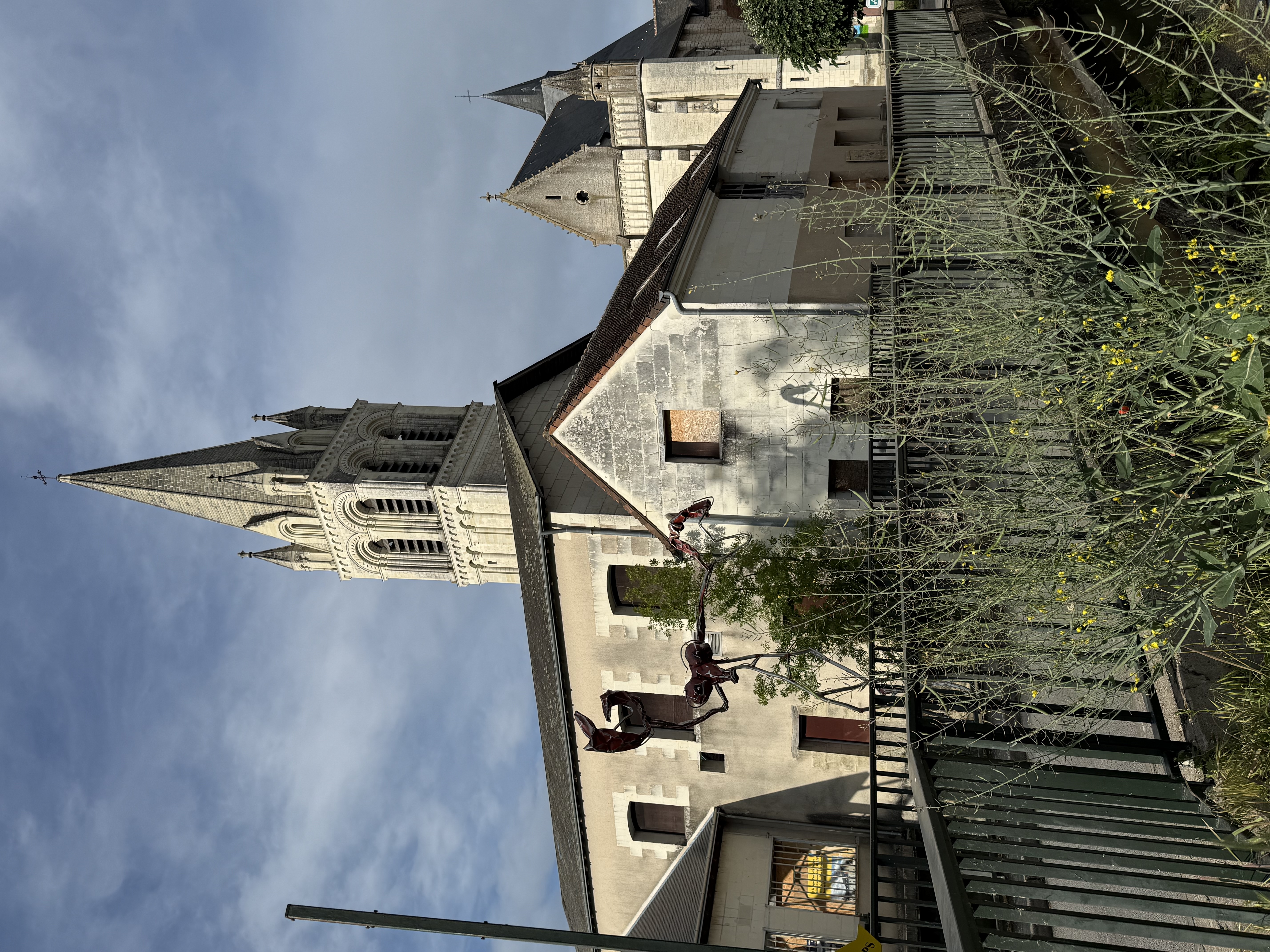
You can reach the first—part of the “Petite Cité de Caractère” network—via a lovely walk starting from the Jardin public in Loches. From a distance, you can spot the tall bell tower of the Benedictine abbey commissioned by Fulk Nerra—the count who also built the Loches Keep and is buried right here in Beaulieu.
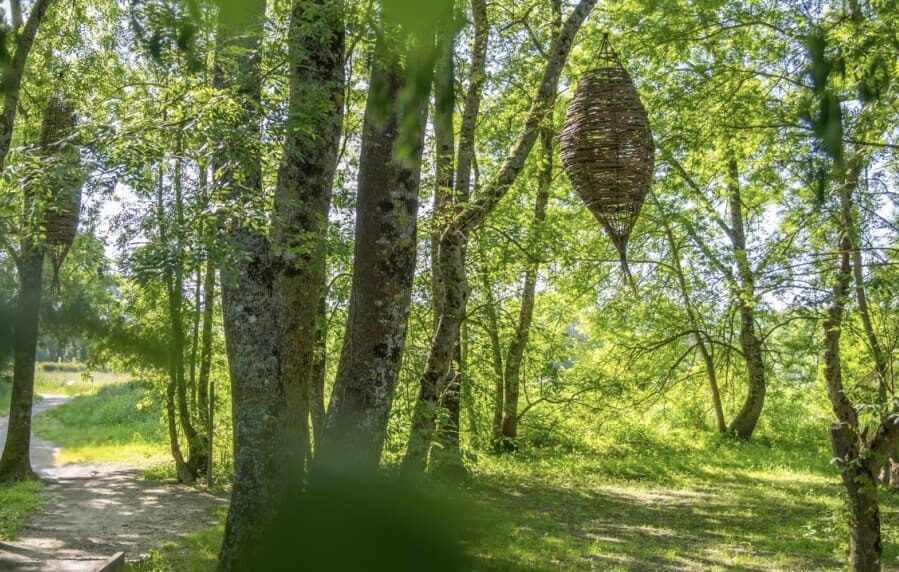
Its gleaming white bulk peeks out from amidst the treetops and art installations of the Prairies du Roy park, which connects the Jardin public in Loches to the historic center of Beaulieu. Designated a “Sensitive Natural Area”, this 240-hectare green lung lies in the heart of the Indre Valley and is home to dozens of artworks.
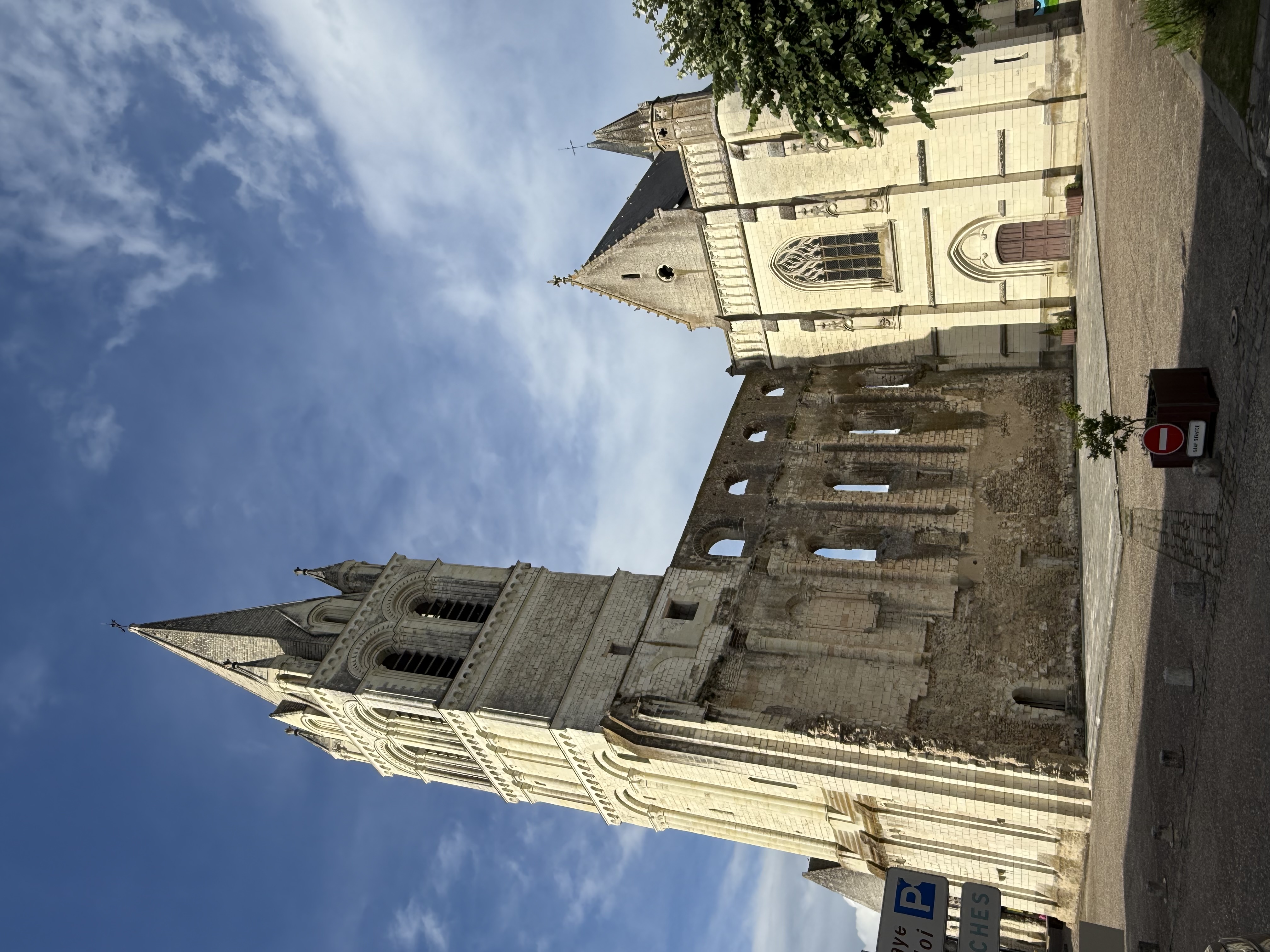
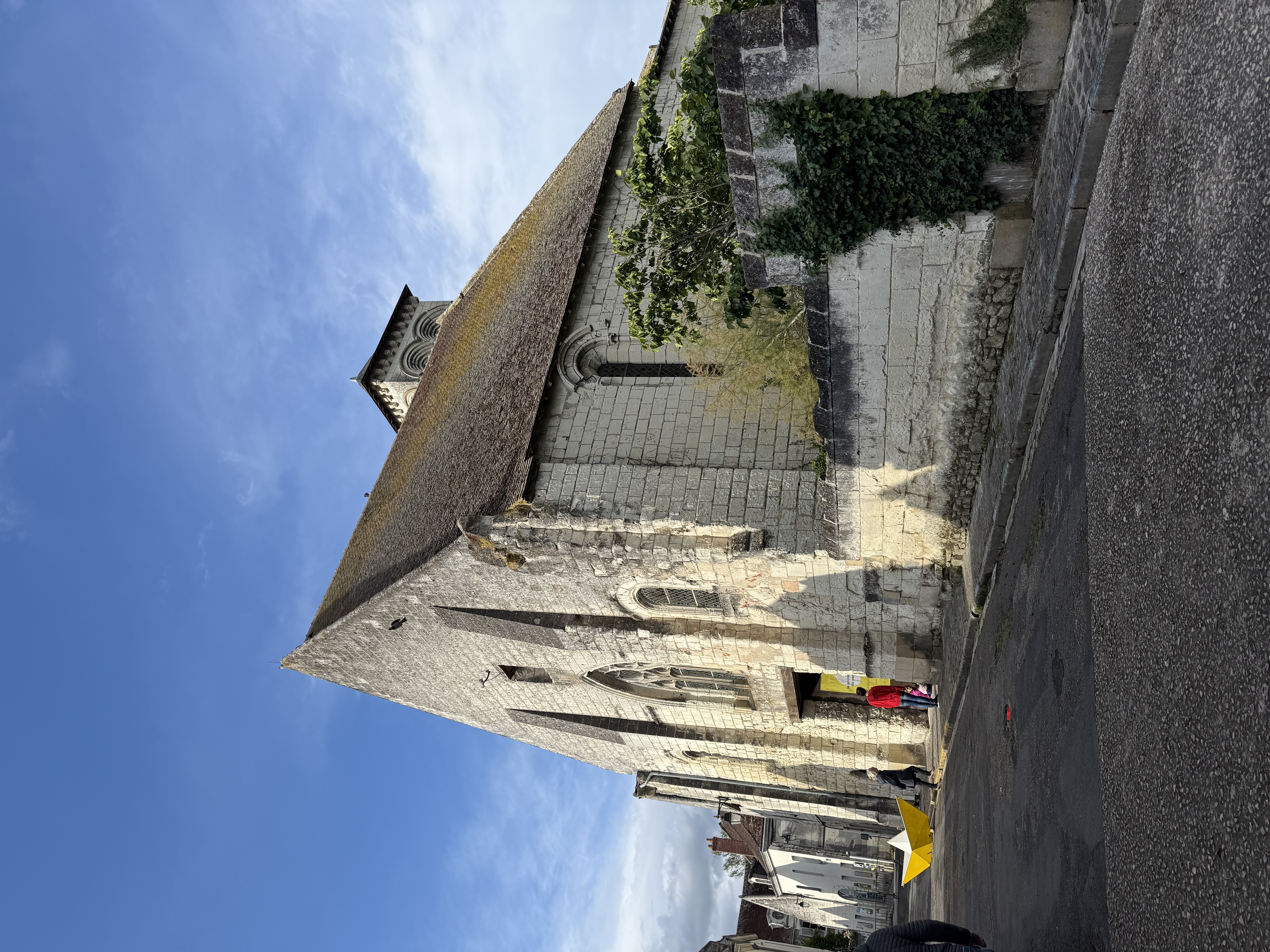
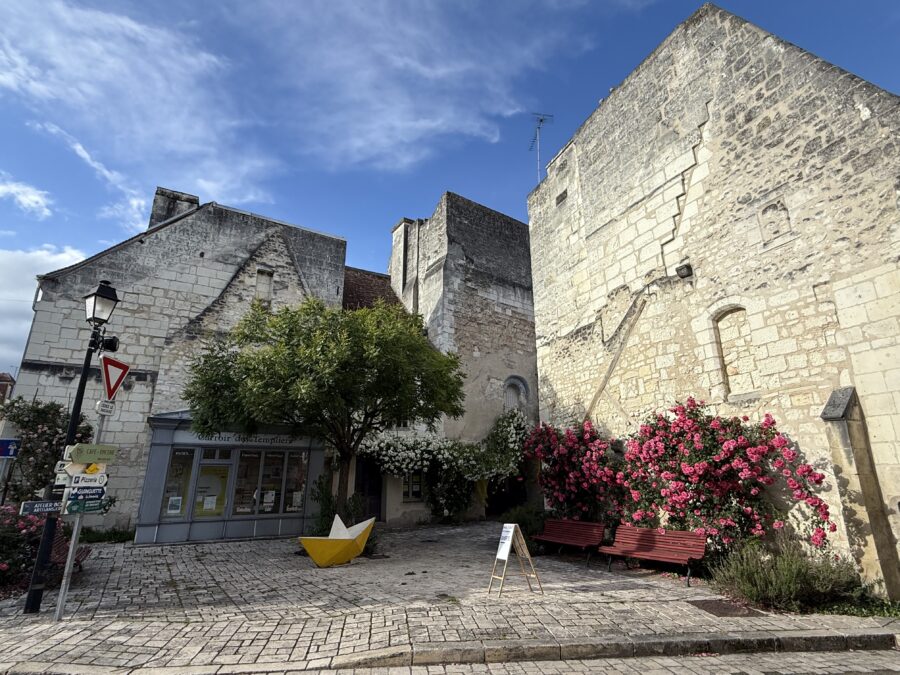
Upon reaching the abbey church, one immediately senses the town’s historical importance as a monastic center. Just a short walk away stands the Church of Saint-Laurent, now a cultural venue that regularly hosts free temporary exhibitions organized by the Outrevoir association. A stroll through the village reveals charming spots featuring beautiful old houses, mills, stretches of water, and poetic gardens.
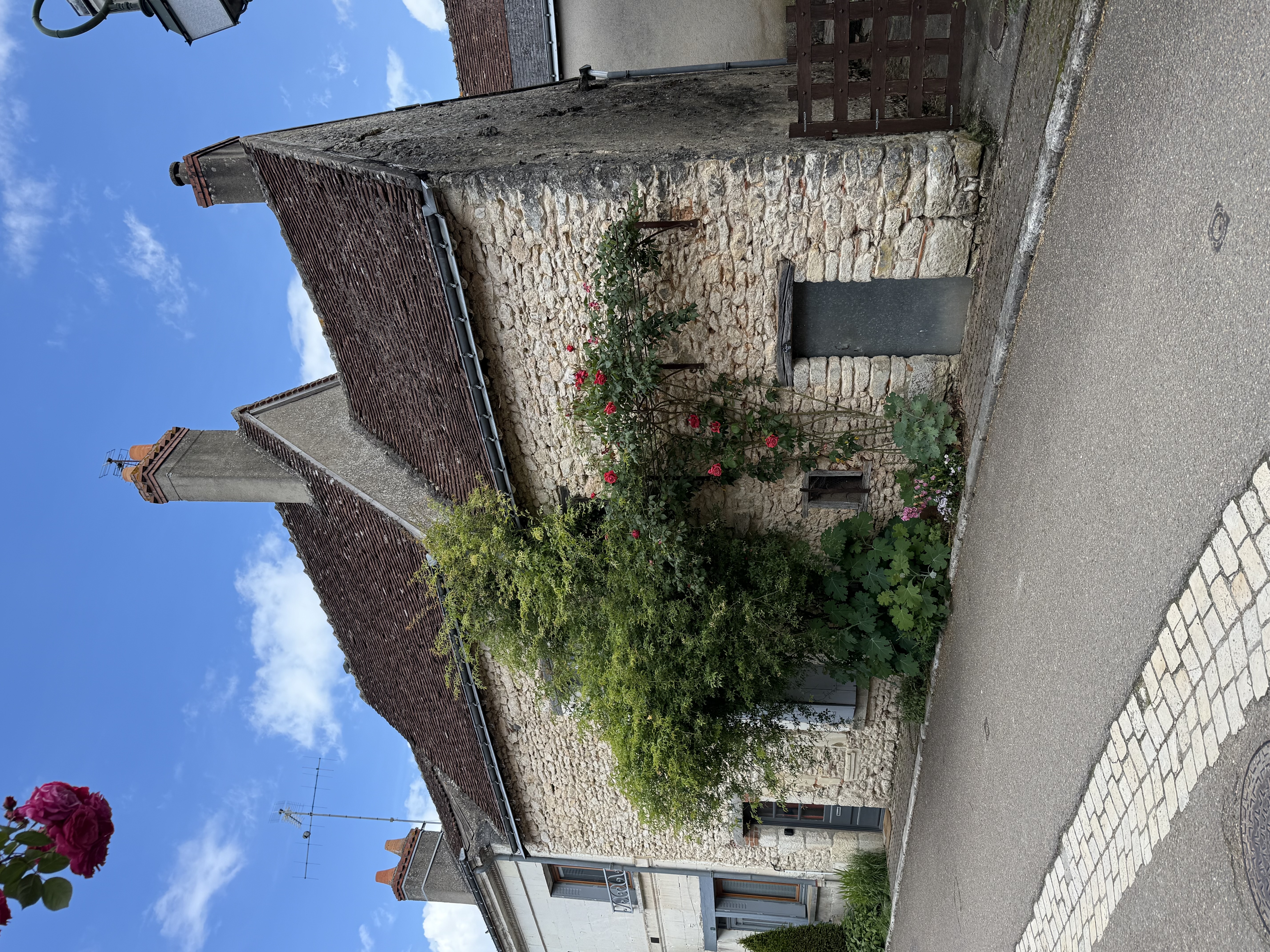

Speaking of gardens, the ones in Chédigny—a small town on the banks of the Indrois—are magnificent; we visited them accompanied by Olivier Chable, the communications and press relations manager for the Loches Tourist Office. Chédigny is the only village in France to have held the “Jardin Remarquable” designation since 2013. Moreover, since 2019, it has also boasted the “Fleur d’Or”, the highest honor awarded by the prestigious French competition for towns and villages in bloom.
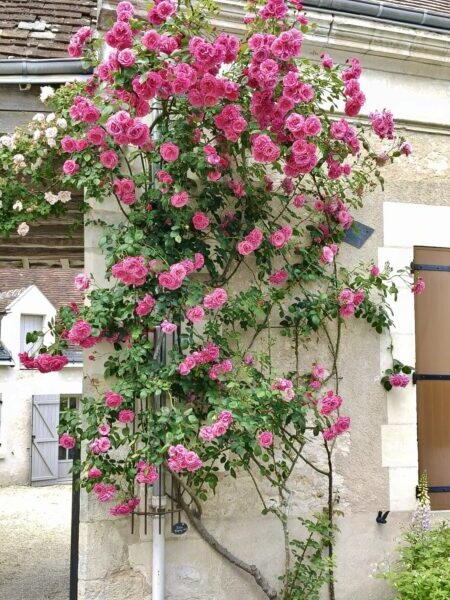
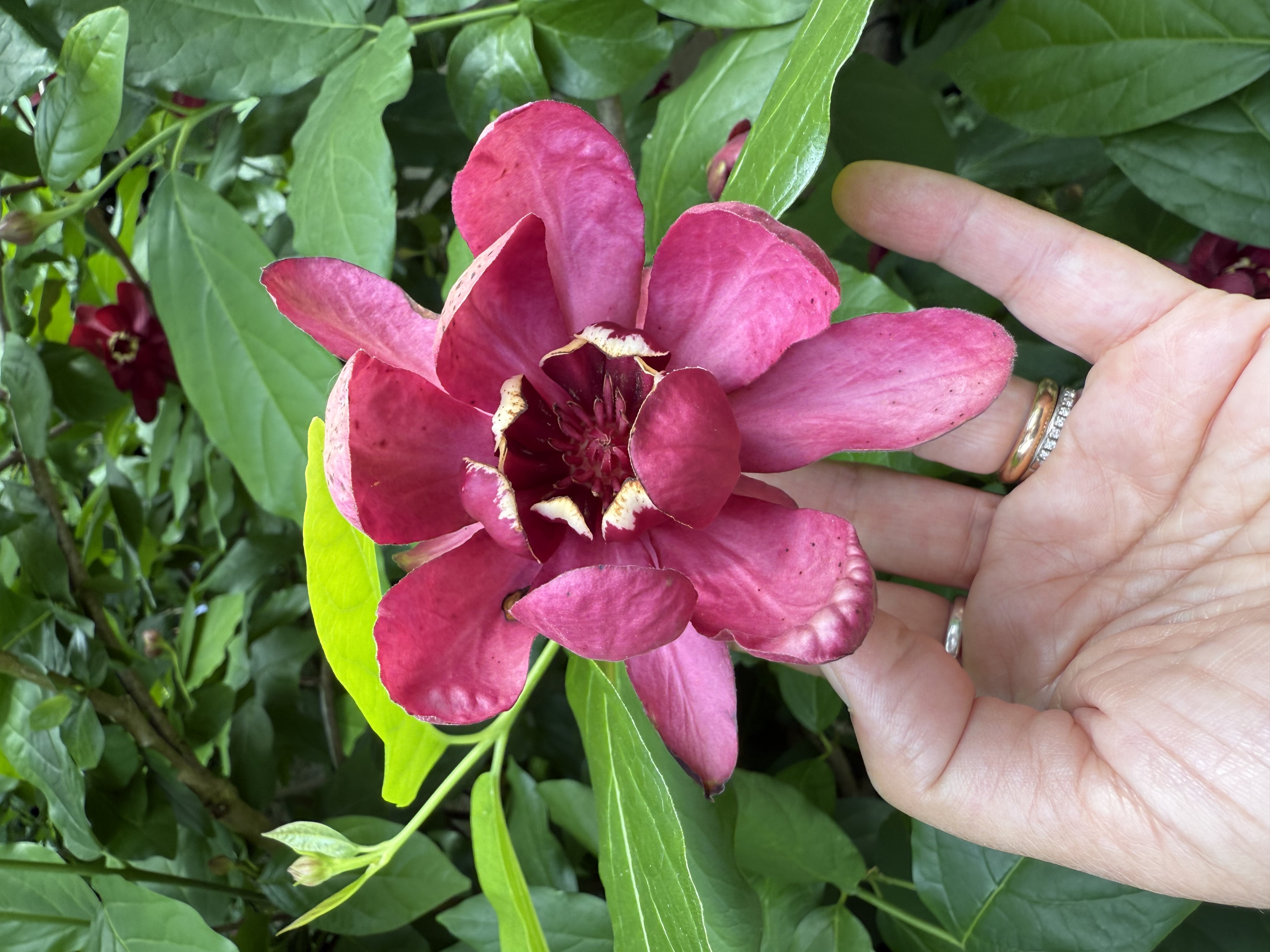
As Olivier walked us through the 1,200 rose bushes and over 4,000 perennial plants, he told us how it all began twenty years ago with an idea from the then-mayor, Pierre Louault, an enthusiast of heritage roses. It was a concept that was essentially very simple yet revolutionary—one that has since been studied and adopted by many other French villages. The mayor wanted to make the village more welcoming and attractive, and he had the inspired idea of planting climbing roses along the sidewalks and streets. The project was carried out with the help of renowned nurseryman André Eve and the active participation of the residents, who still contribute to planting and caring for the plants today.
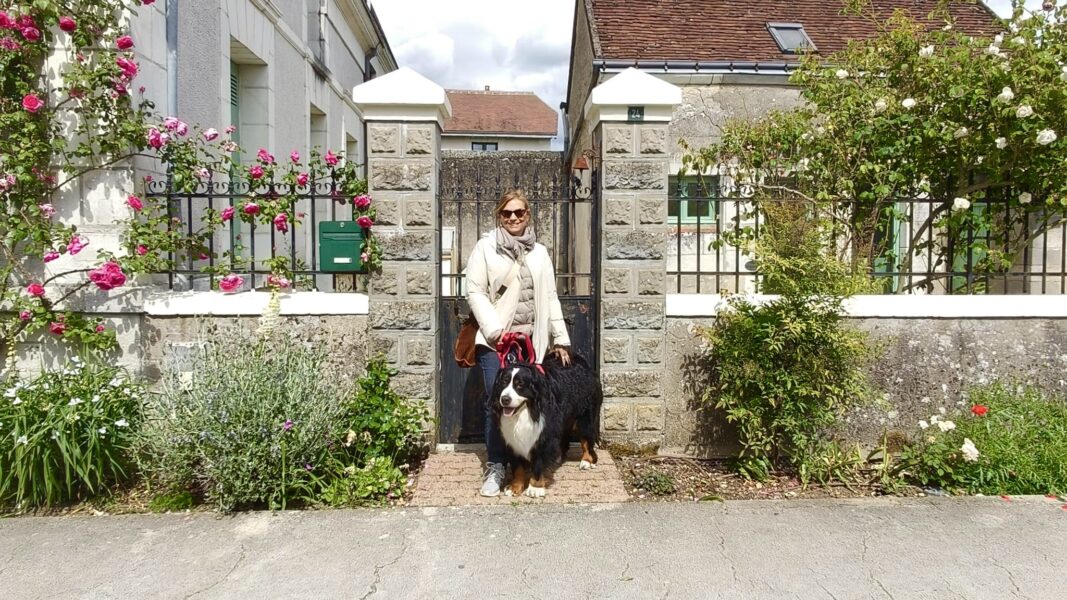
Olivier pointed out how the sidewalks in the village have been replaced by flowerbeds featuring not only roses but also boxwood, yew, and thousands of other perennial plants. These plants climb the perimeter walls and house facades, adorn windows and gates, and bring cheer and color to every corner, transforming Chédigny into a true “garden village”.
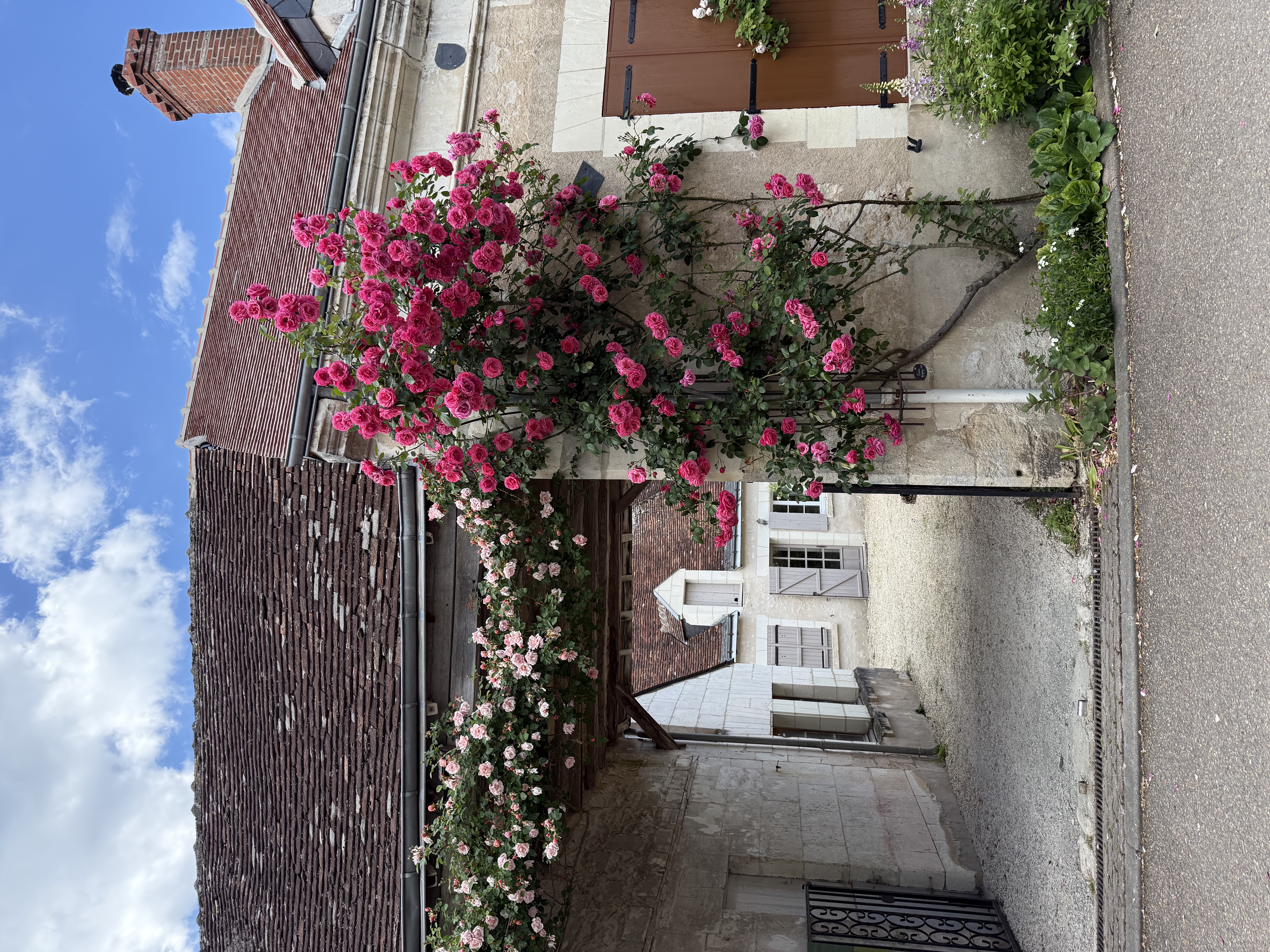

And, needless to say, May is the perfect month to admire the blossoms and buds and to breathe in the scent of the flowers that define every street in this fairytale village: the roses are in full bloom, adorning the walls of Chédigny’s houses with their varied colors. In fact, the “Fête des Roses” takes place during the last week of May; each year, it hosts around sixty carefully selected nursery growers showcasing their displays, while musicians, artists, and photographers fill the village streets.
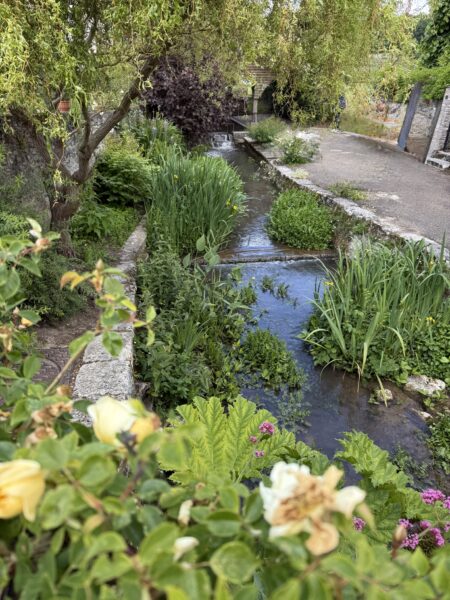
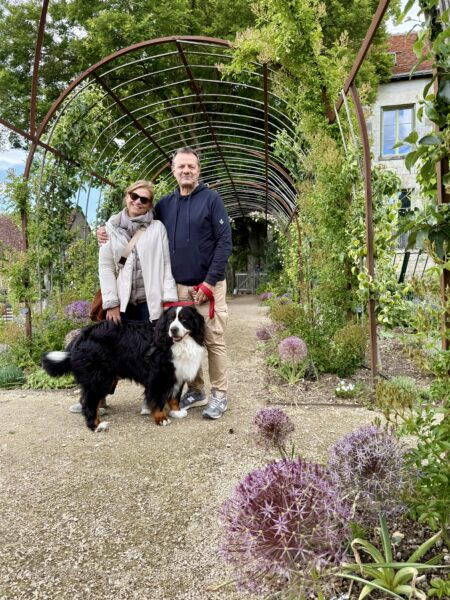
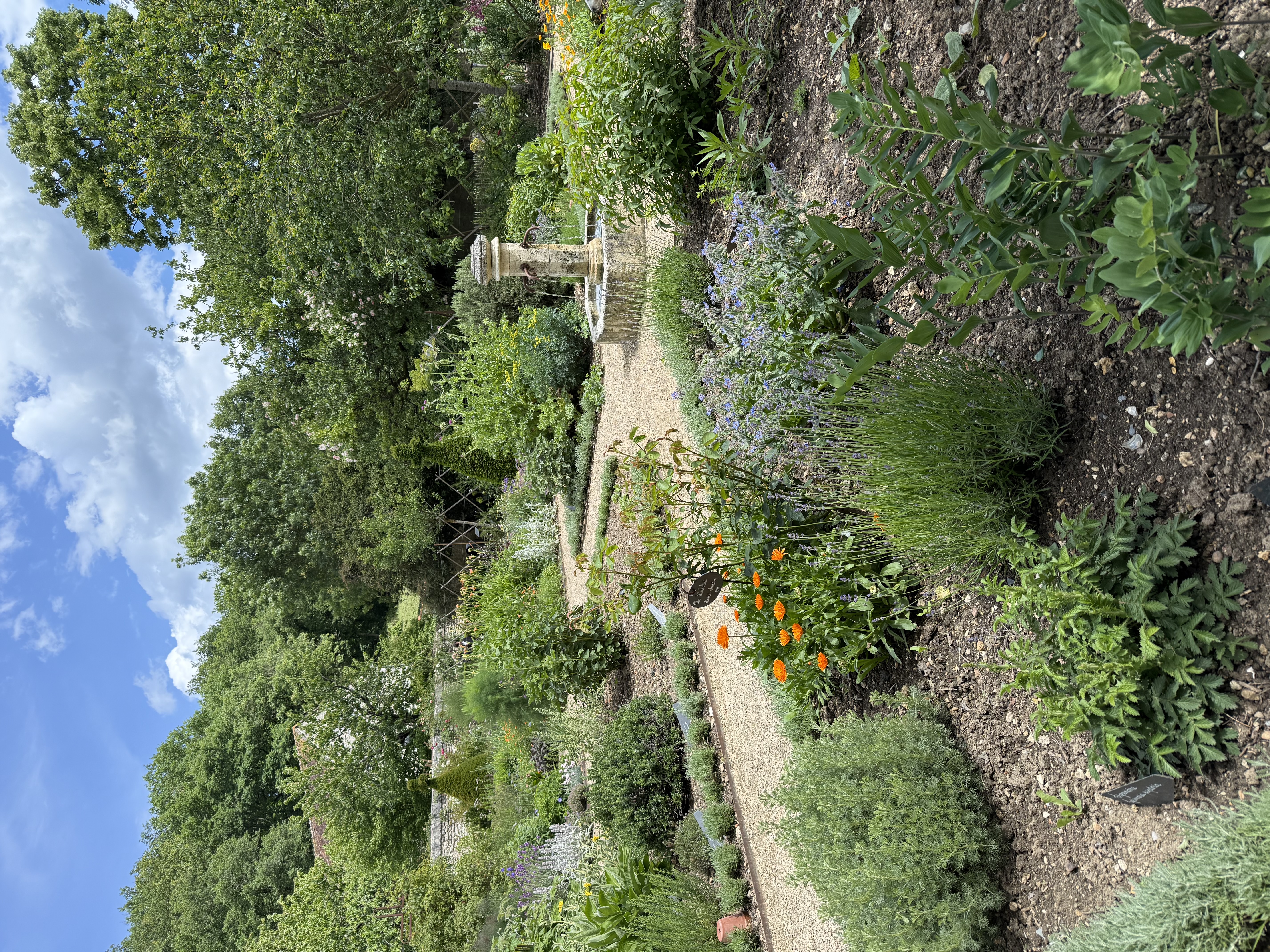

This place—one of the most beautiful “garden villages” — offers plenty of Instagrammable spots, but the town’s washhouse, fed by the enchanting Orfeuil stream, is a must-see. Equally unmissable is a visit to the “Jardin du presbytère” or “Jardin de curé”, the kitchen garden where priests once grew the produce they needed for food, remedies, and church decorations. There is an admission fee, but dogs enter for free! Today, this enchanting, colorful, and fragrant oasis of biodiversity cultivates heritage roses, ornamental plants, herbs, medicinal plants, vegetables, rare species, and fruit trees, all in keeping with the tradition of French parish gardens.
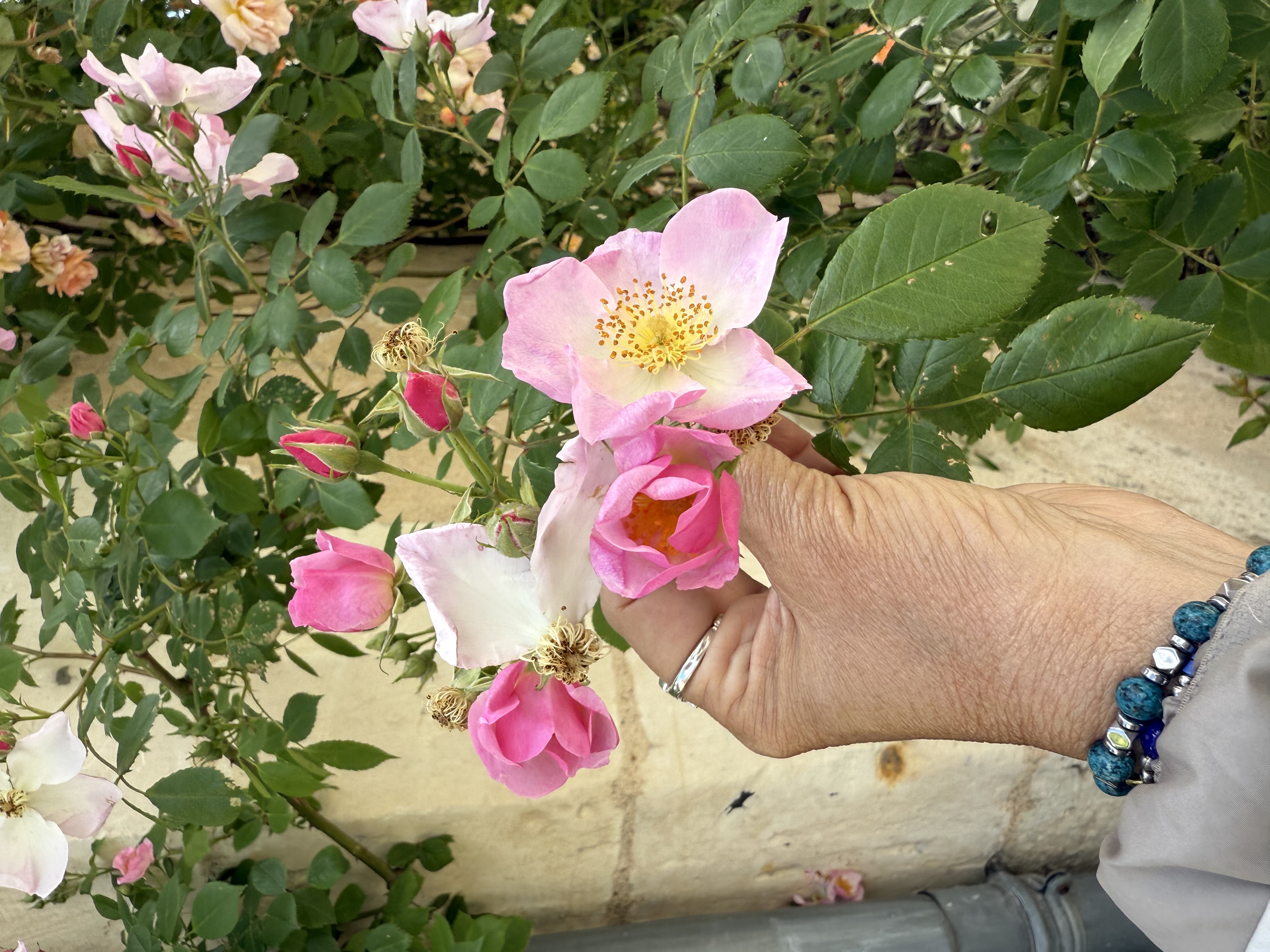

Among the many varieties of roses are the ancient “Rosa gallica” — also known as the Rose of France — while three specific rose varieties were created for the village by André Eve. The first is the renowned Jeanne de Chédigny, dedicated to Jeanne Loualt, a Chevalier de la Légion d’honneur, who, alongside her husband Bernard, was honored as Righteous Among the Nations for sheltering Ernest and Francois Braunschweig during the last war, thereby saving their lives.
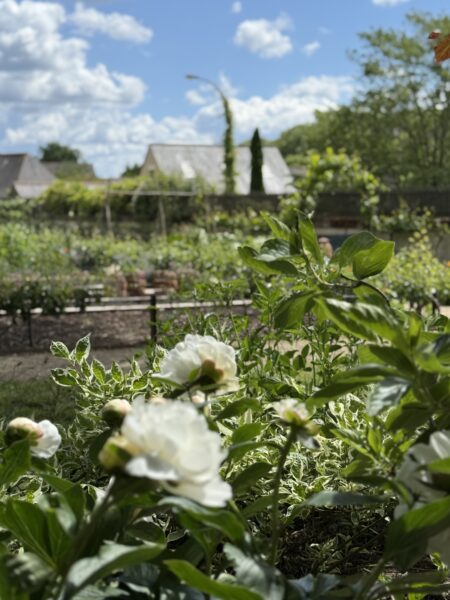

The second variety is Blanche de Chédigny, featuring pure white, fragrant blossoms and growing up to 10 meters tall, while the third is Petite Coquine de Chédigny — meaning “the little rascal of Chédigny”—which is said to have sprung up spontaneously on a sidewalk in the village. It produces small, deep pink roses, but its standout features—aside from being very easy to grow — are its long blooming season, lasting from May well into autumn. One of these small plants, purchased at the garden, made its way into our luggage and back to Italy; it now takes pride of place on our terrace in Conversano, Puglia, serving as a lasting memento of our visit to the garden village of Chédigny.
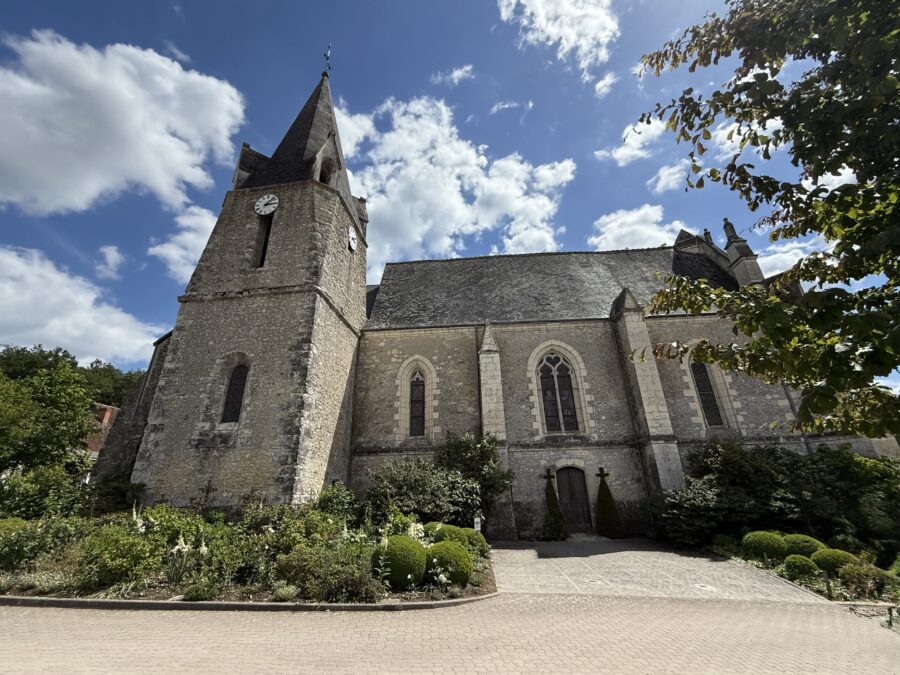
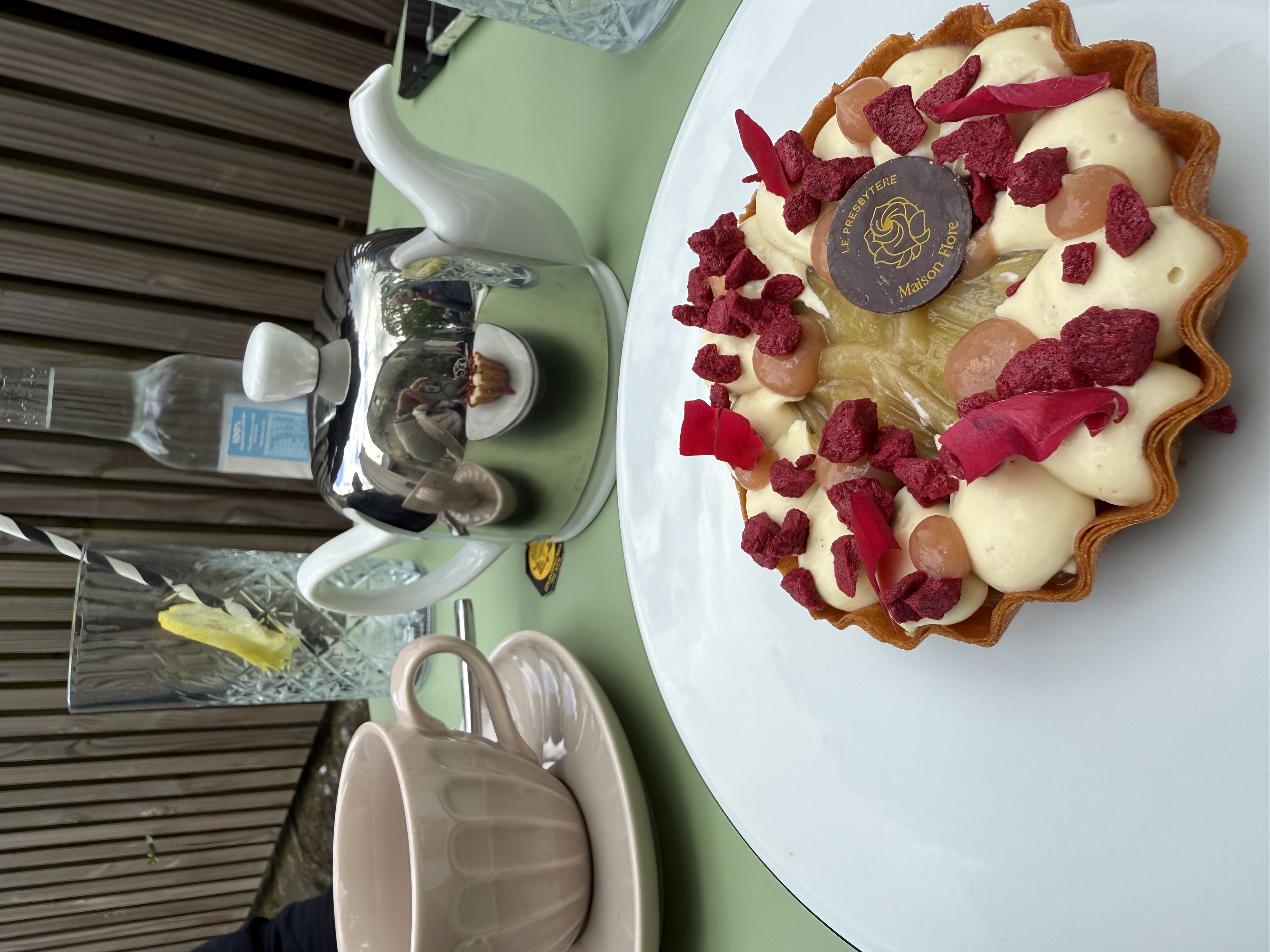
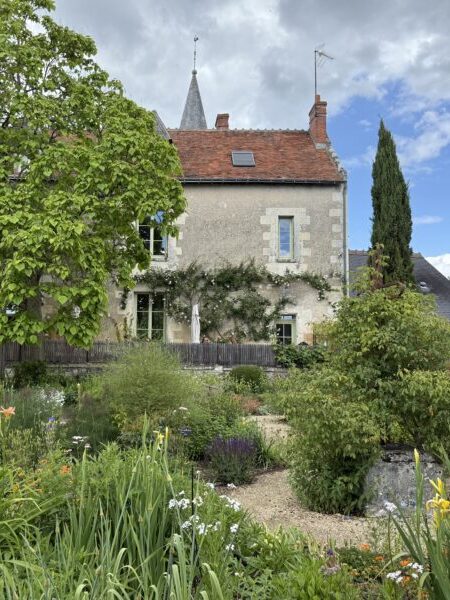
Before bidding farewell to this little slice of paradise, Olivier and we sat on the outdoor terrace at Le Presbytere Maison Flore, where we enjoyed elegantly served tea accompanied by one of their exquisite artisanal pastries. It is such a poetic spot that we would love to return—perhaps to spend the night in one of the four romantic rooms overlooking the magnificent garden and the “curate’s vines” (planted with Chenin grapes)—a place where Otto would be welcome, too.
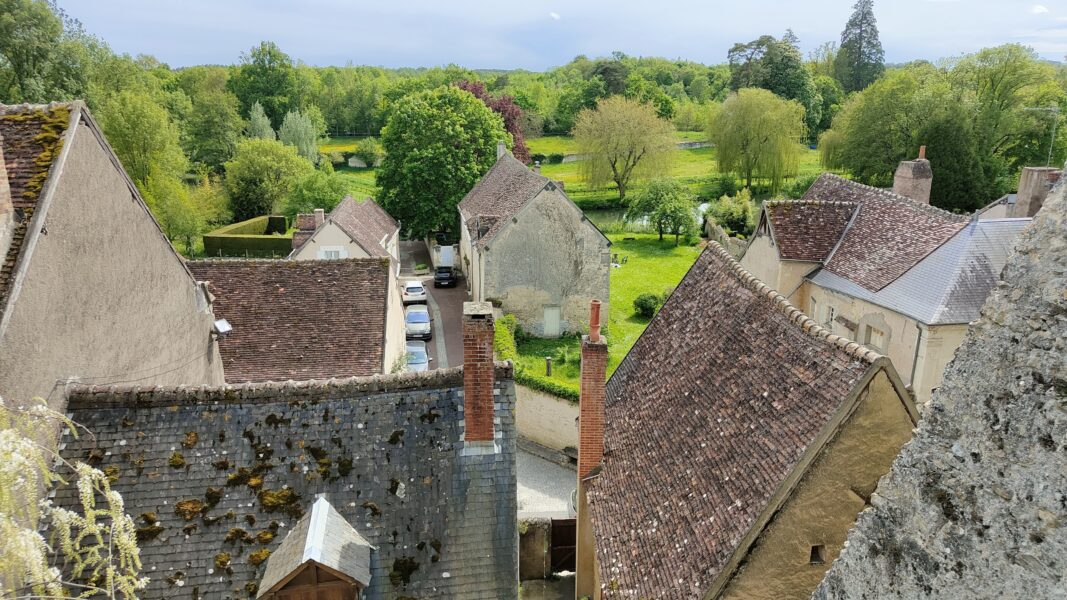
Not far away lies Montrésor; while not classified as a “garden village”, it is one of the Plus Beaux Villages de France (Most Beautiful Villages of France). We visited three years ago, exploring the château, which clings to a rocky outcrop and commands a prominent position over the village nestled along the banks of the Indrois River.
In collaboration with Explore France, Loches Val de Loire

