






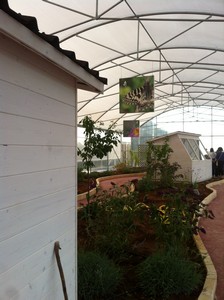



But how long is the life of a butterfly? In this and other questions are prepared to answer those responsible for Farfalia and Polixena that within the lush and beautiful gardens of Vivai Capitanio in Contrada Conghia in Monopoli dealing of the first butterfly house of Puglia. The greenhouse, a unique environment, where butterflies are born, live and fly freely, alighting on the flowers and the plants primarily attracted by the aromas and colors, was inaugurated during the sixth edition of “The Color in the Garden”, the exhibition market “green” which was held in Monopoli 2 to 5 June last, in the botanical garden “Lama degli ulivi” at the Vivai Capitanio Stefano.
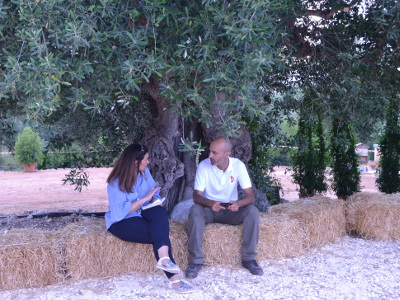
It is unique, as he explains in the accompanying visiting Enrico Altini, as it is the only one with local origin and non-tropical butterflies. Inside, in fact, home to native moths, typical Mediterranean environment, which in this 300 square meter facility are a protected place to breed, courting, feed on the nectar of flowers and rest to the sun’s rays. But it does not end there. Because of butterflies that breed, many specimens are then released into the wild, going to increase the number of these insects included among the protected species. This is the fundamental reason why Farfalia is supported in its activities by the European network for the protection of butterflies and their habitats Butterfly Conservation Europe, founded by the renowned documentary filmmaker BBC, David Attenborough, and the Foundation Friend of the Earth, which deals with protection of the environment not only in a sustainable perspective, but also socially and economically.
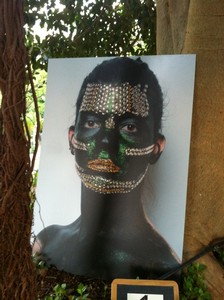
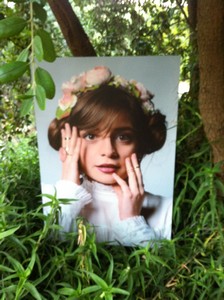
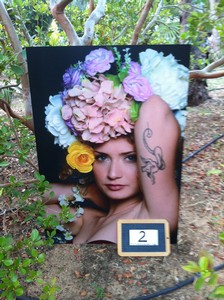
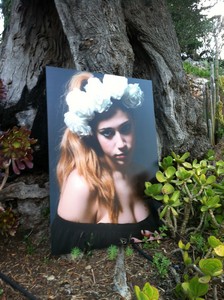
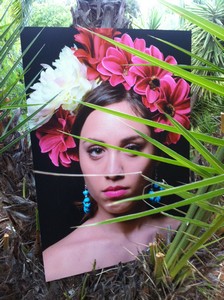
The idea, born a little ‘time ago had been made by the association of social promotion Polyxena at the farm Masseria Monelli in the countryside of Conversano, thanks to Principi Attivi, the regional program of incentives for young innovative and socially deserving. Then the butterfly house was moved to its new home in Monopoli, thanks to the synergy that has been created between the Polyxena association, the cooperative Farfalia born in 2013 and the property of the Gardens that have seen the construction of the greenhouse the ideal completion of the nature trail through the trees which during “The color in the garden” also hosted the permanent exhibition of portraits made by students of the photography course of the Academy of Fine Arts in Bari.
But we continue to focus on butterflies. Us, having visited the greenhouse in the late afternoon, we could not attend their flights since they were preparing the night’s rest. So the first tip is to visit the butterfly house in the morning. But we look closely witnessing attentive to explanations about their fascinating metamorphosis from tiny egg, which generally is deposited on the bottom of the leaves. Each species has its favorite plant: suckler plants of the caterpillars of the swallowtail (Papilio machaon) are those of rue, while cabbage and capers are the most appreciated by the cabbage whites (Pieris rapae) in both major and minor species. Arbutus, however, serves as nourishment to the larvae of the largest European butterfly, Charaxes jasius, also called nymph of the arbutus tree.
From the shell, then, comes the hungry caterpillar, in a short time, eats and grows. After being fed enough, by a hole positioned on the mouth, begins to make out a silk thread to create an outline around his body said cocoon. The third phase is that of the chrysalis or pupa: from here born the butterfly with all its colors.
Now back to the original question: what lives a butterfly? They can live for several days to a few months, but there are also ones like Cleopatra (Gonepteryx Cleopatra), who fell into a sort of hibernation, called diapause, can survive the winter recovering to fly in the spring. So many enemies from which to defend themselves during their short life: caterpillars and butterflies are threatened by beetles, birds and other insects such as wasps. For this are laid thousands of eggs and there are several species of butterflies in all parts of the world. In Puglia there are 5 families for a total of 219 species , Britain will only count between 50 and 55 and the only region of the world where there are no butterflies is Antarctica.
Lots of curiosity satisfied by the explanations inside the butterfly house, but many also those that remain, because the world of these Lepidoptera remains always fascinating for young and old that in this original classroom can “touch” these animals so ethereal and delicate. It is thus also create a new eco – tourist attraction for the area, which includes guided tours in English, educational workshops and Butterfly Watching in direct contact with the flourishing nature of the garden. Visits are carried out in the week by appointment, on Saturday morning ones which also include the botanical garden “Lama degli ulivi”, while on Saturday afternoon and Sunday is only possible at the butterfly house. For any kind of information please visit the website www.farfalia.it or call to +39 080 801720. The house of butterflies Farfalia is in Contrada Conghia, 298 in Monopoli (Ba).

