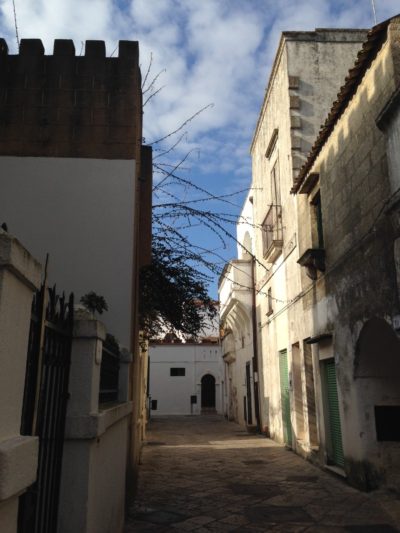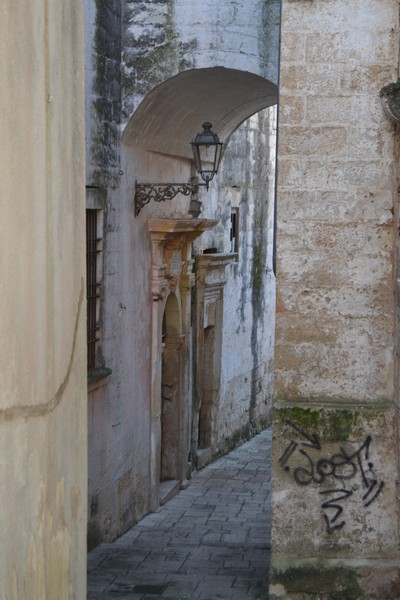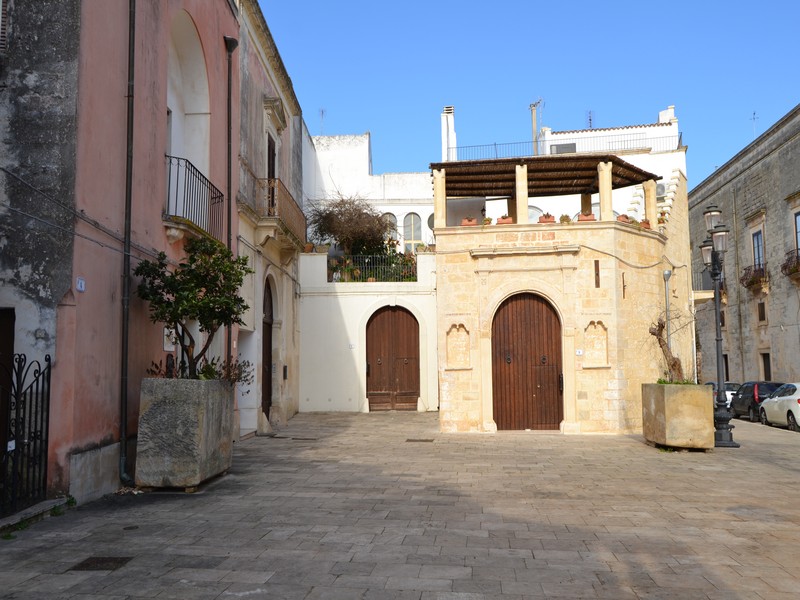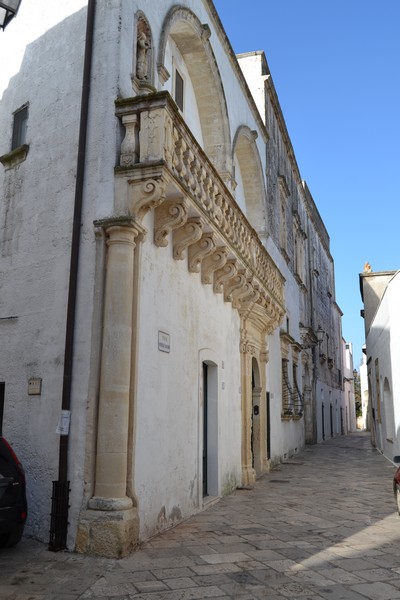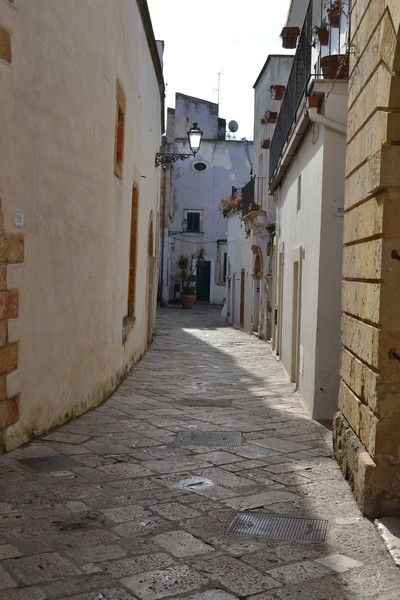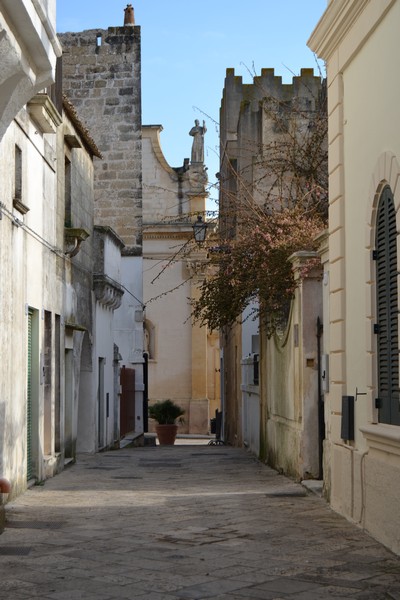




Many villages are like books: go browsed a bit ‘at a time and each page is something interesting to investigate. To start browsing Specchia, ranked as one of the most beautiful towns in Italy, and from 2013 also recognized as “Jewel of Italy”, you have to start from the bottom, even from underground.
Specchia one of the most beautiful towns in Italy
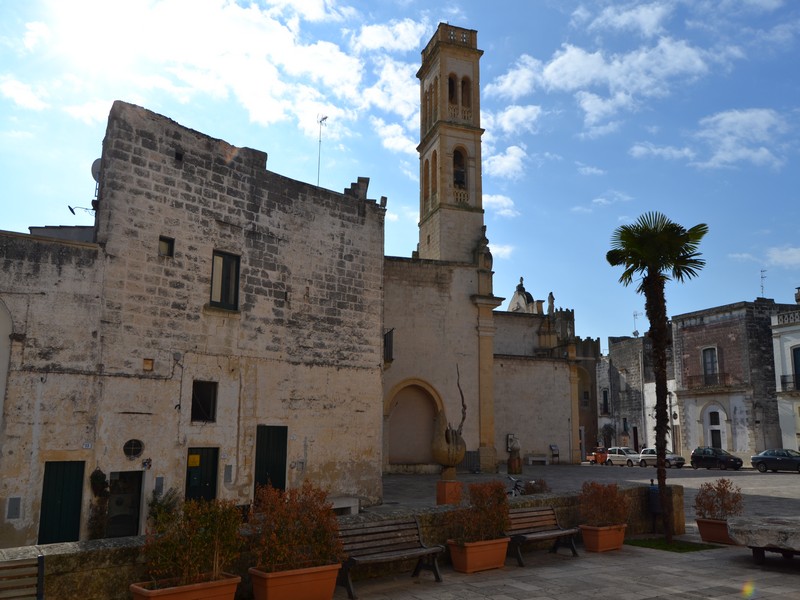
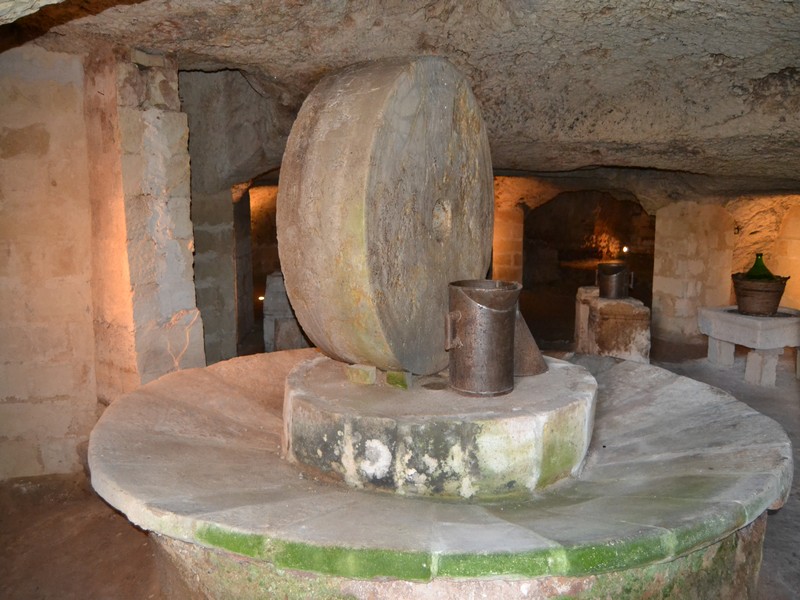
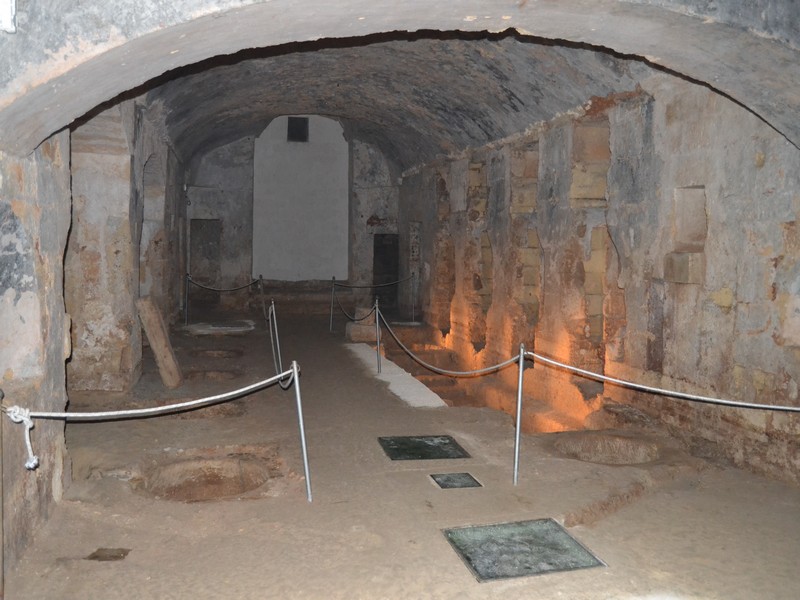
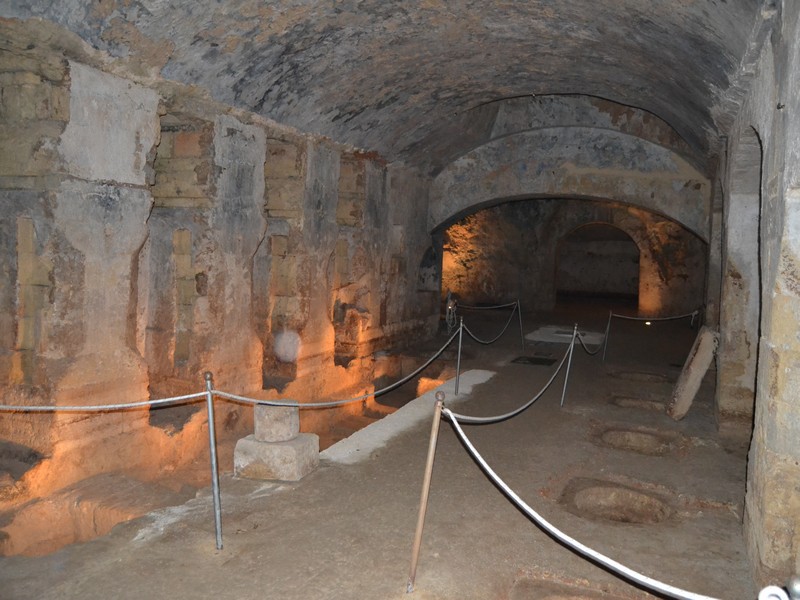
In fact, the country has under the main square which is one of the most beautiful of all the Salento, one of the largest mills in the area. The rooms dug in the tufa develop under much of the country to a depth of three to five meters below ground level.
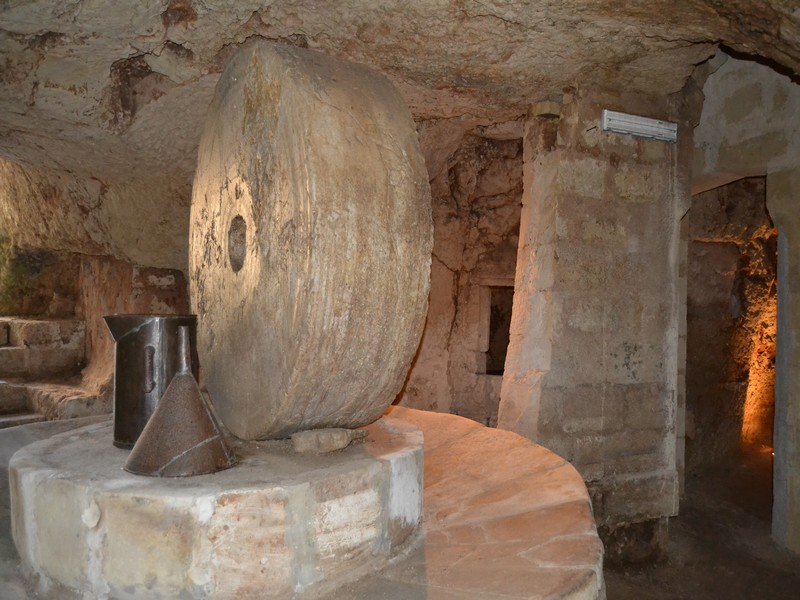
Prowling these rooms today deserts gives the feeling of reliving strenuous stories of the past when these places were working men and animals for six months a year did not see the sunlight using trappeti (mills) for their work and also as a living room, kitchen, dormitory and stable where rested the mule or donkey.
The temperature here is constant throughout the year and is around 19-20 degrees and this is the fundamental reason why already with the Byzantines crushers were obtained under the earth: “The mills and oil warehouses must be hot because every mood heat melts and thickens in the cold”. So wrote Lucio Giunio Columella in the first century d.C. in his work “De re rustica”.
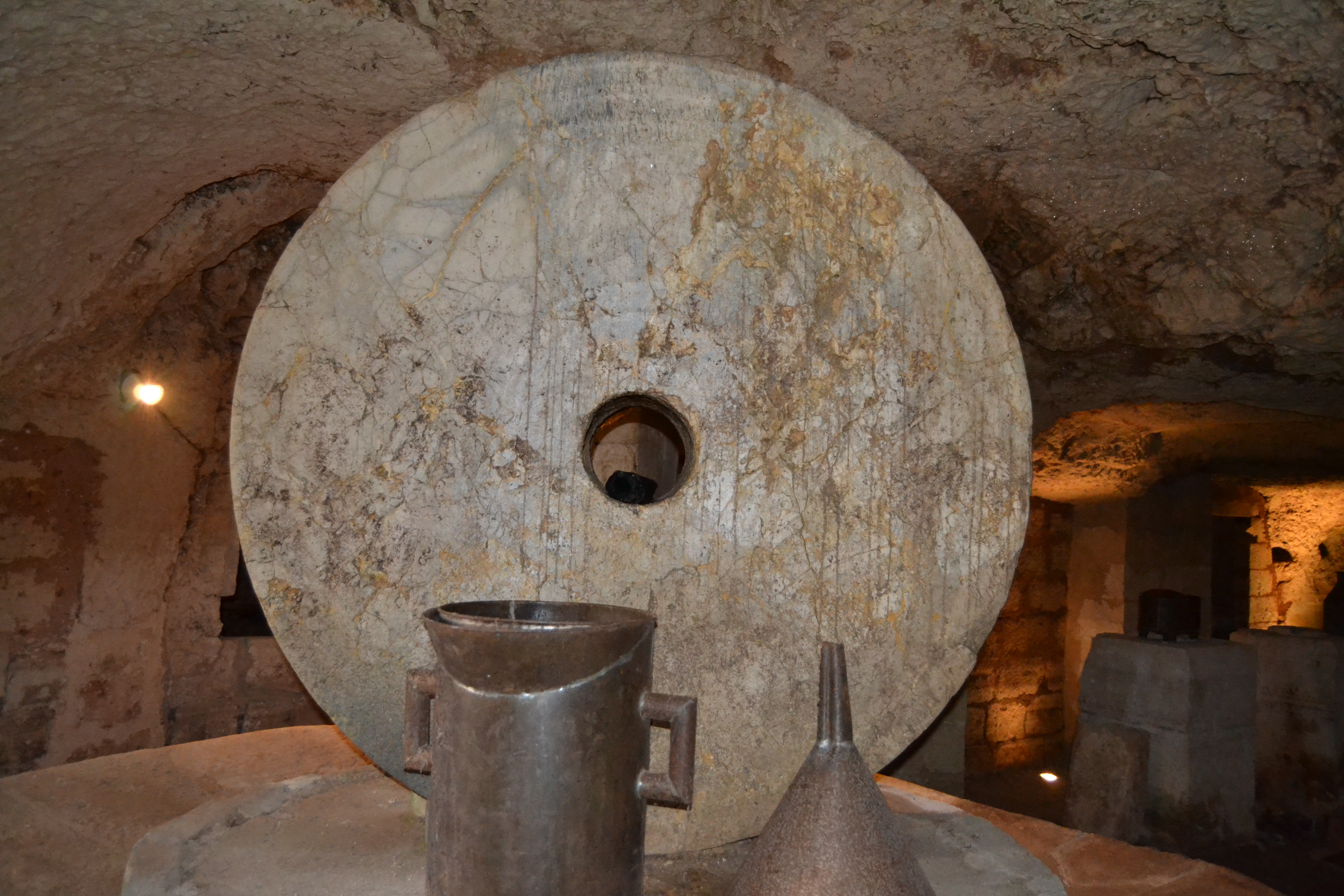
At the mill also called trappeto is accessed through a series of steps carved into the tufa stone. Once inside we find the great millstone that a mule ensured to run around a pole. On the ceiling you can see the openings on which flows the main city street and from which the olives were discharged. At all stages of production of oil oversaw the “nachiro”, the manager of the mill, which had the task of establishing the schedule of work and rest of laborers called “trappitari”.
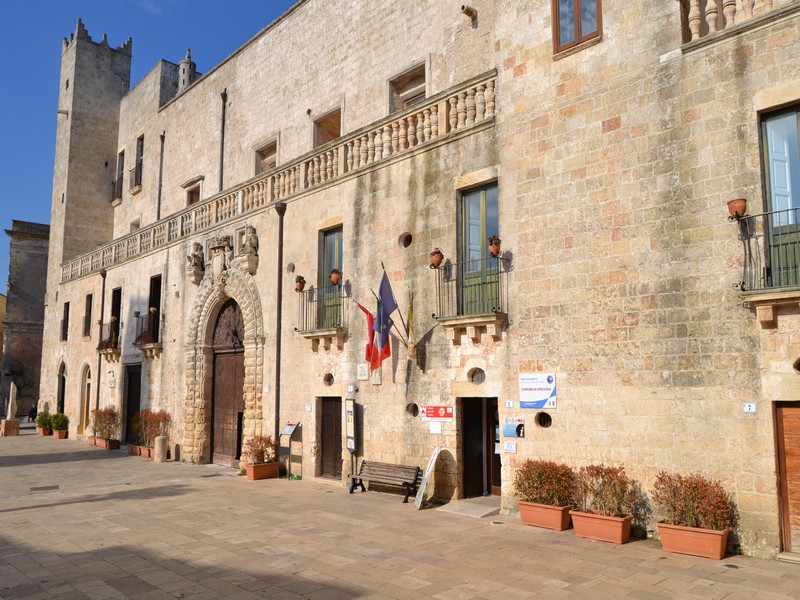
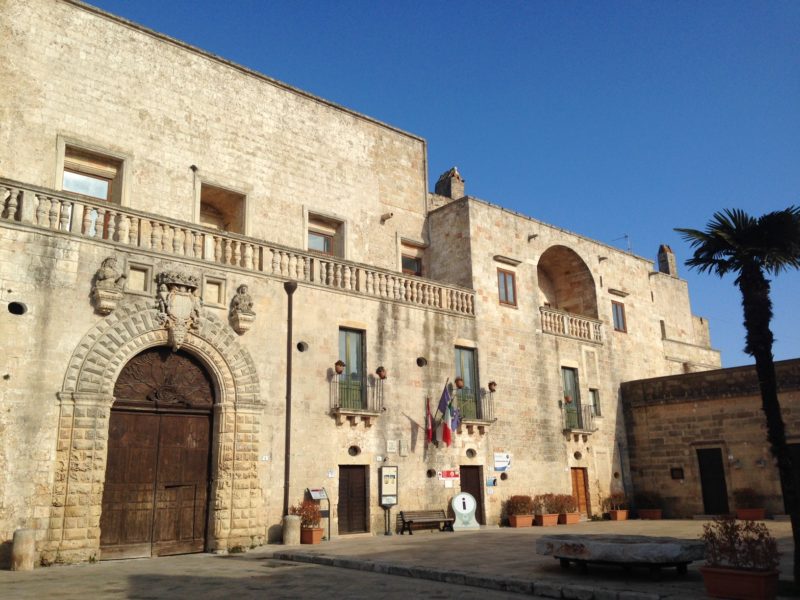
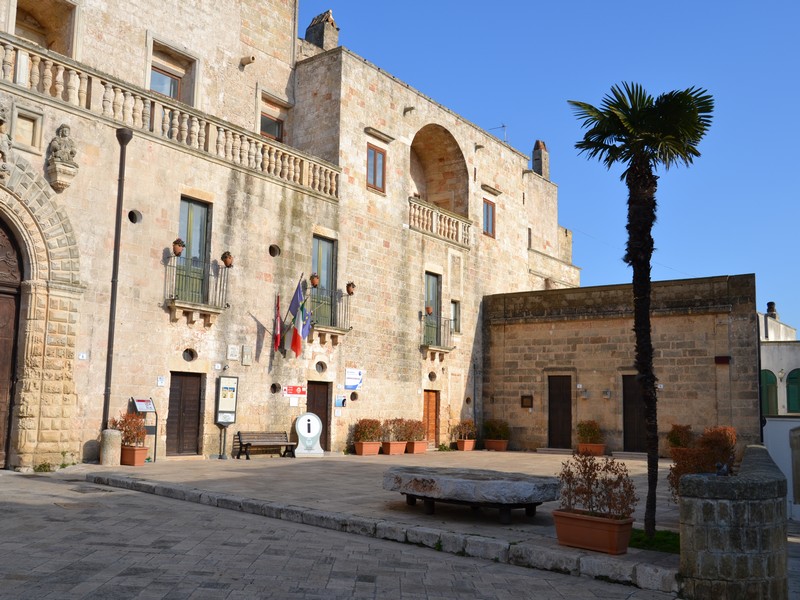
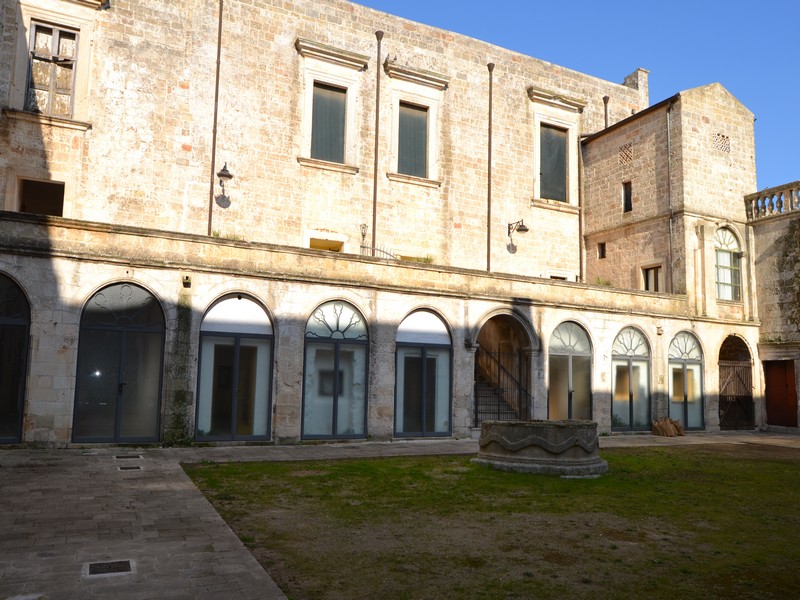
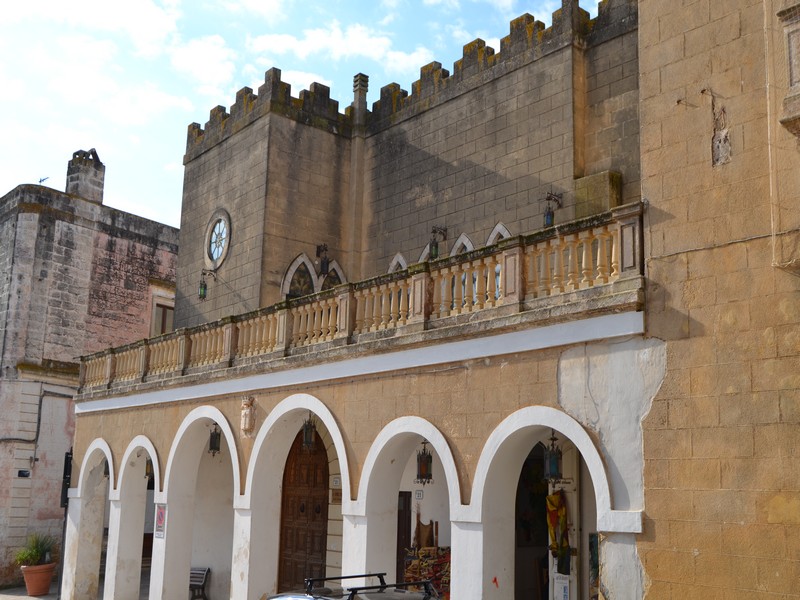
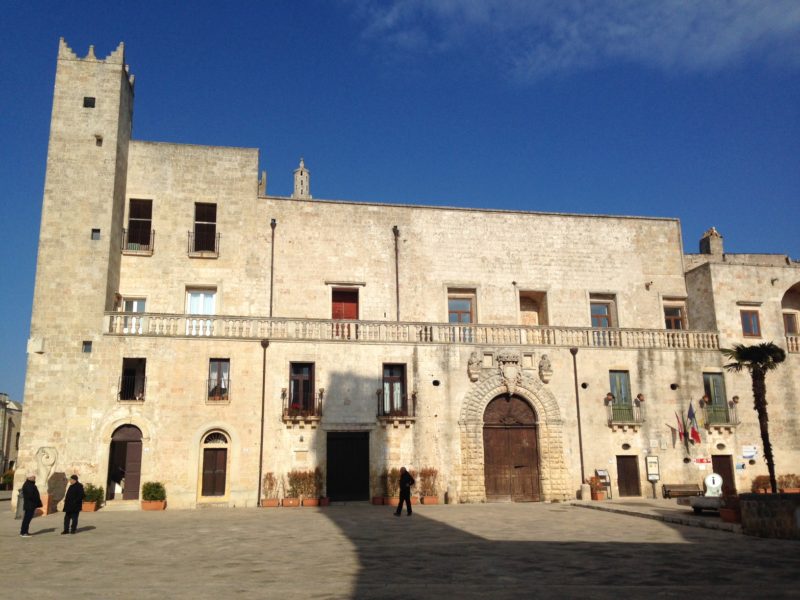
The “underworld” of trappeti we emerged on the surface accompanied by our friendly and helpful guide, Mr. Domenico Baglivo by Pro Loco of Specchia, to cross the big square sunlit and enter the hall of the Palace Protonobilissimo-Risolo, an imposing sixteenth-century building, later altered in following centuries.
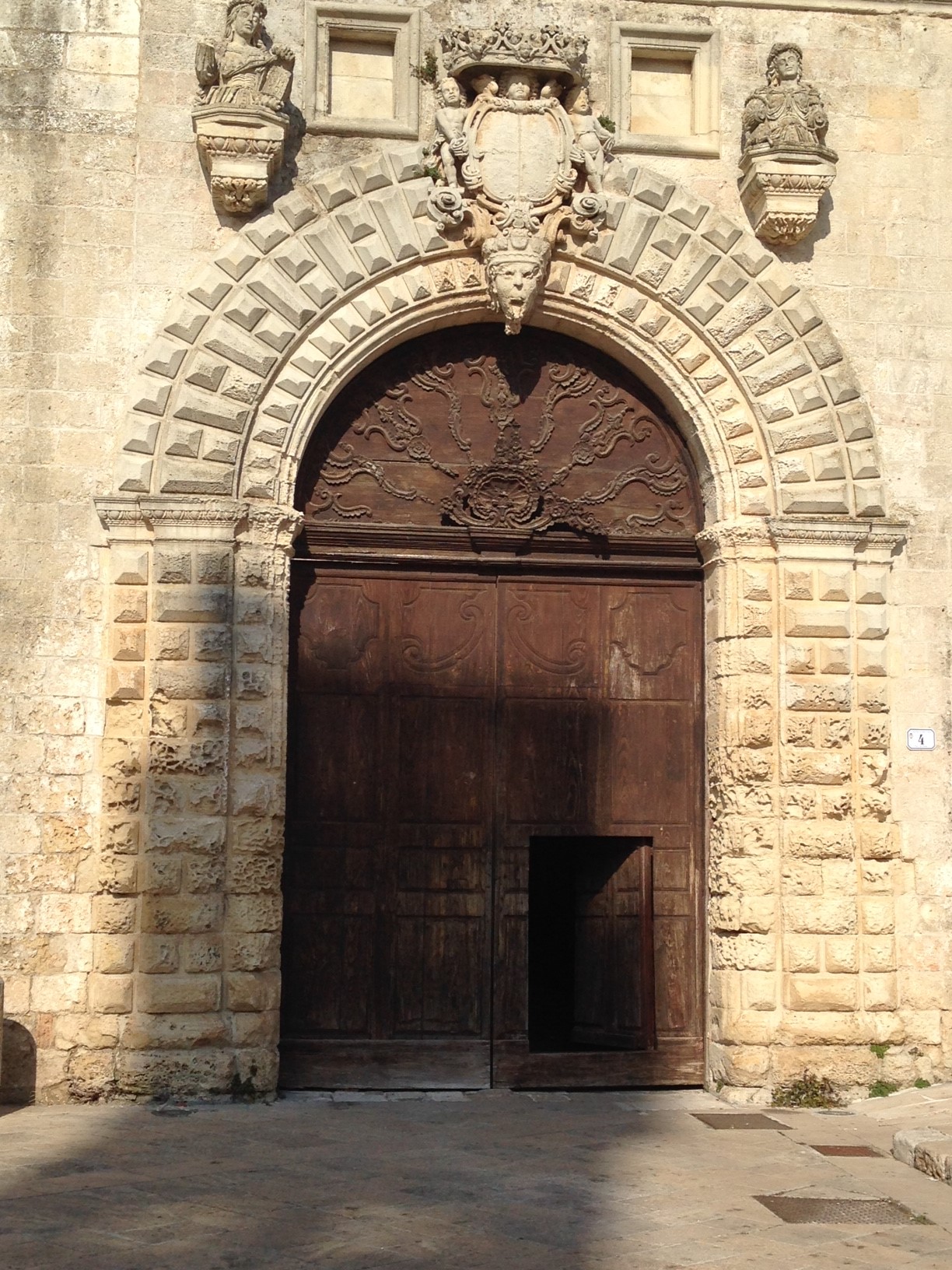
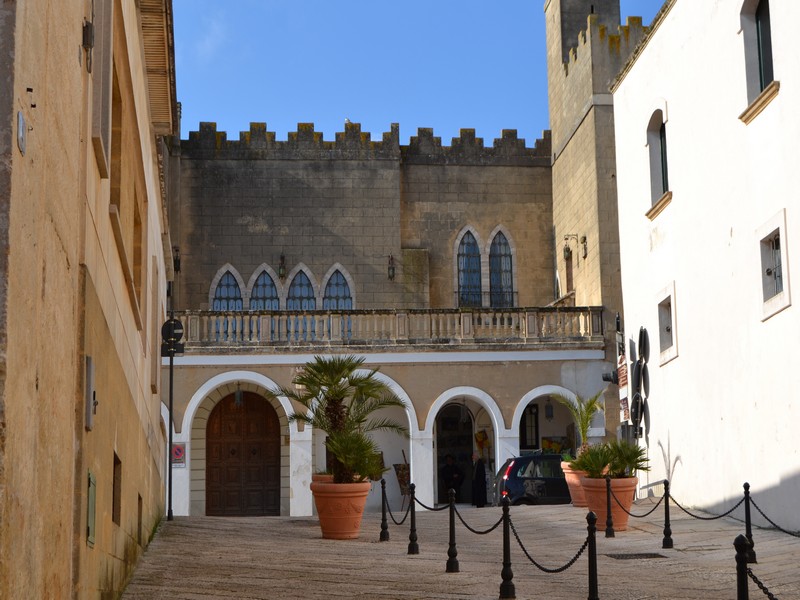
Originally a fortress, it was later transformed into a residential building by Protonobilissimo Marquis and boasts 360 rooms of which are open to those of municipal property bordering the square, while the other houses the B&B Castello di Specchia.
In one of the rooms, hidden behind the frame of a window, Domenico shows us a narrow gate that leads to a tunnel leading out of the walls up to the Convent of the Franciscan Blacks. An escape route to evade the enemy or as our guide adds slyly, to hide and to run away lovers!

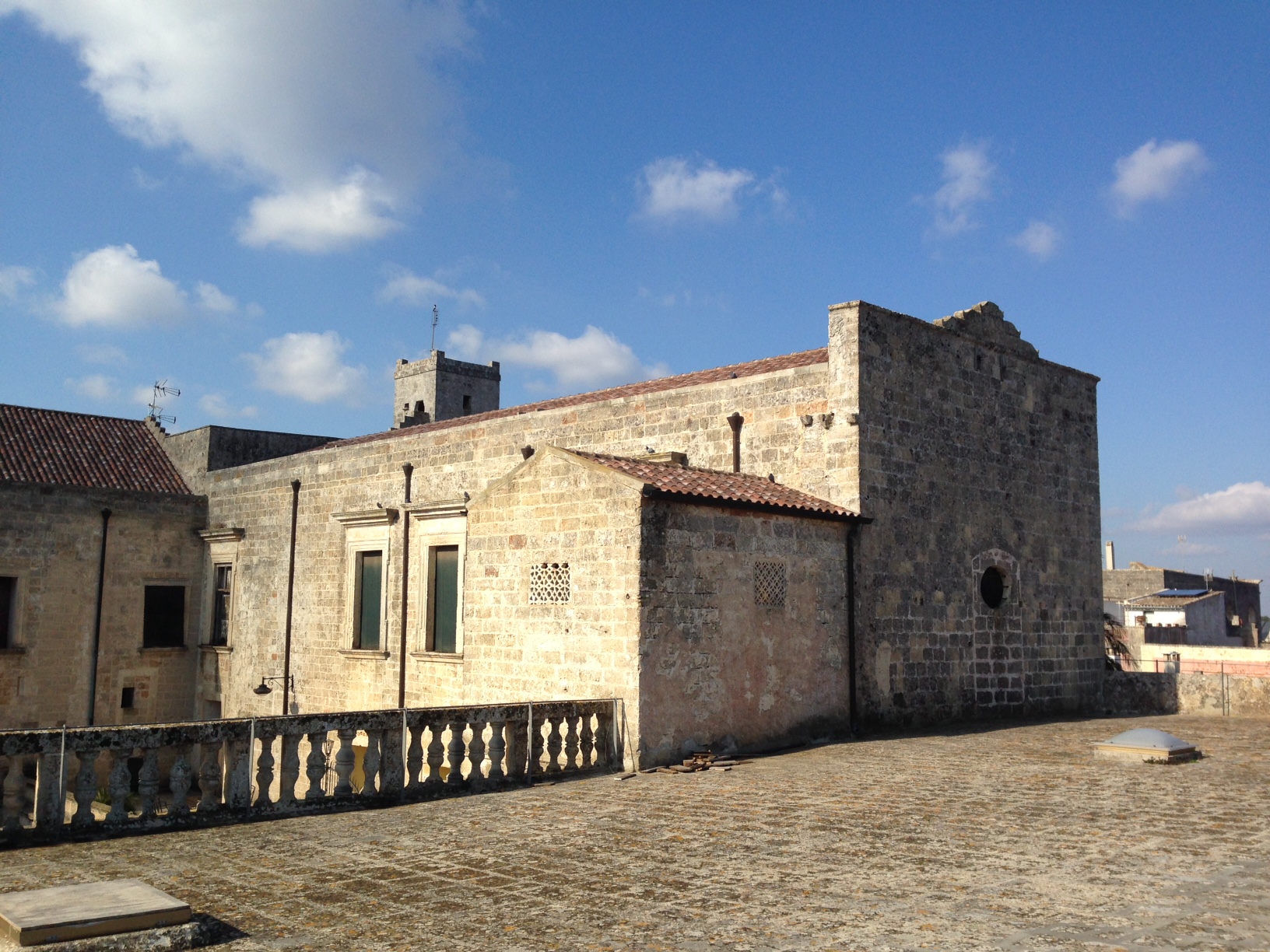
If the whole building is well worth a visit, is on the upstairs terrace which remains open mouth: from here the view sweeps over the countryside and villages around Specchia and down to the sea and on clear days you even distinguish the snowy mountains of Albania.
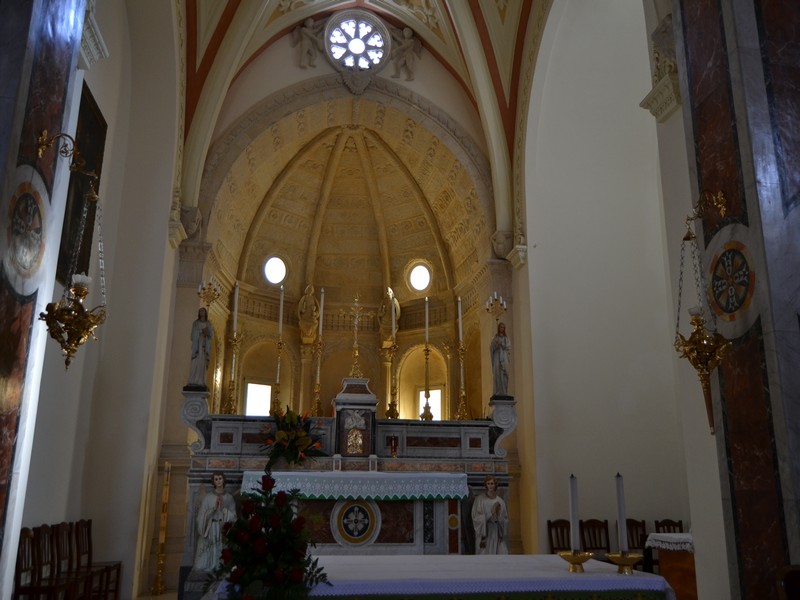
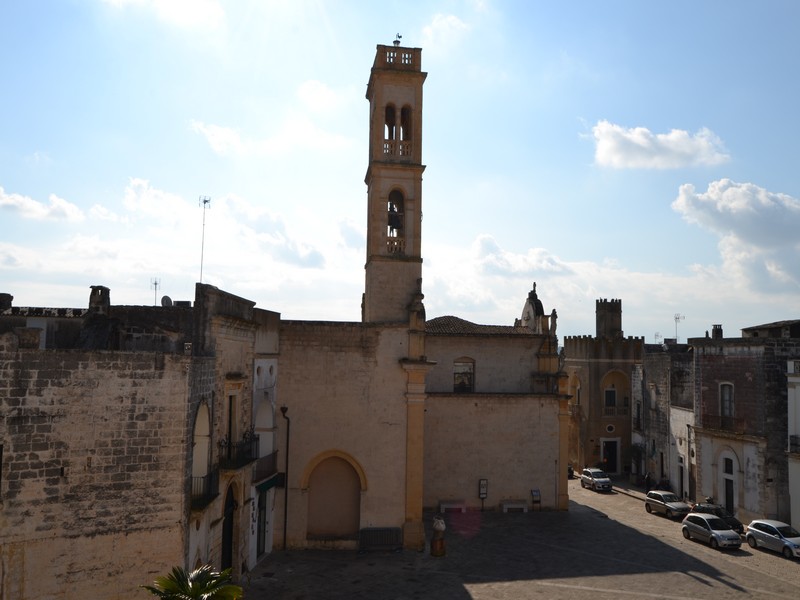
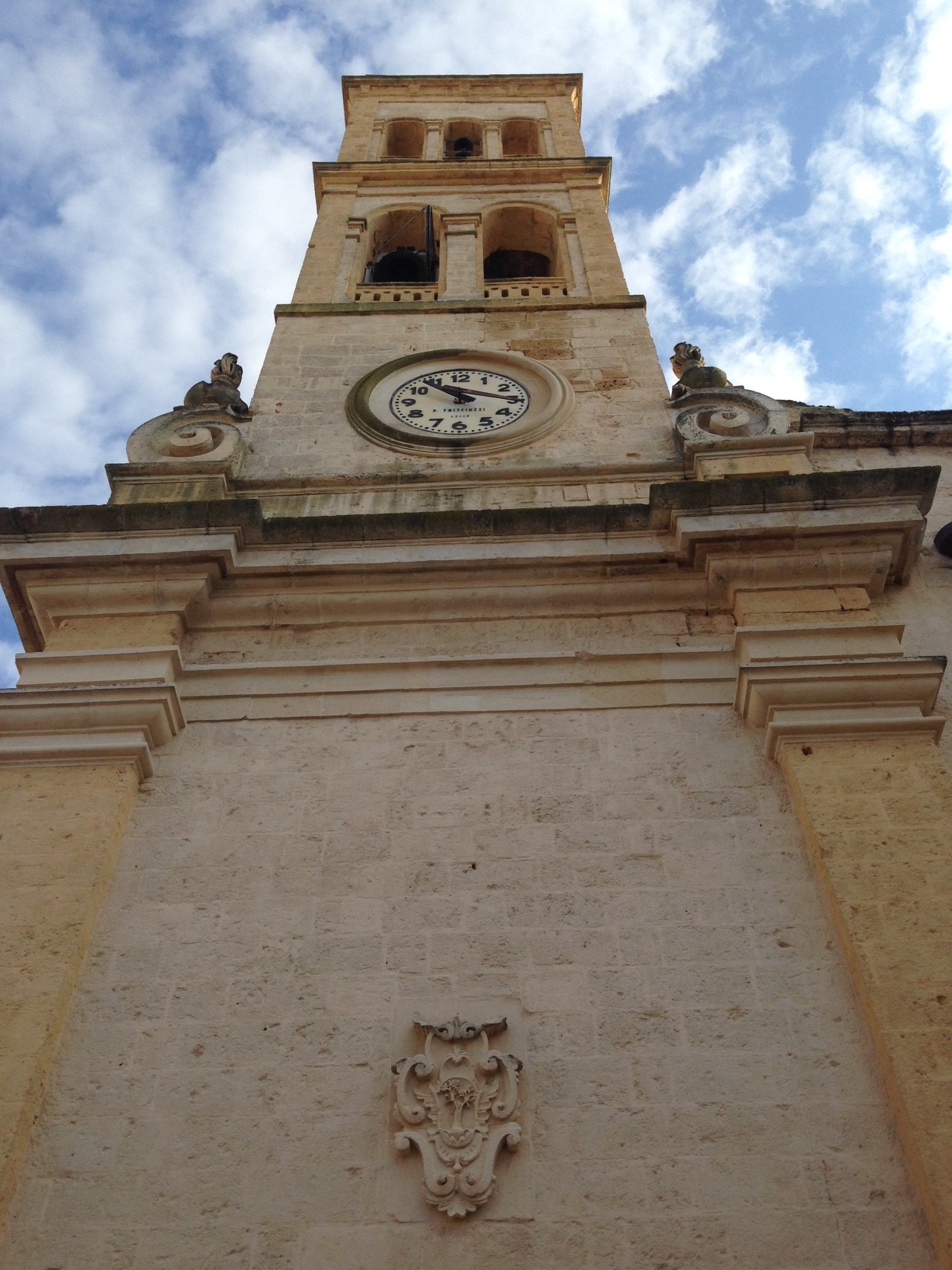
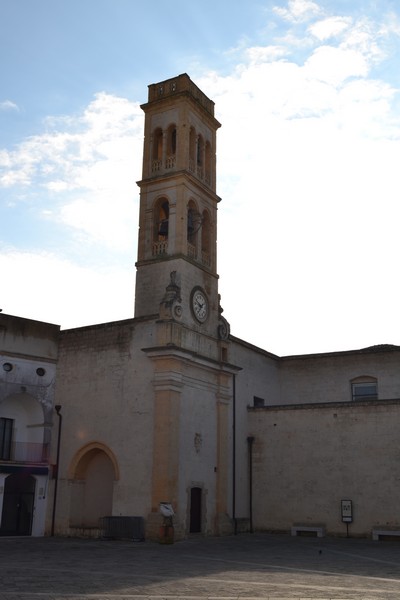
Also worth visiting the Mother Church also known by the name of the Church of the Presentation of the Blessed Virgin Mary: it is one of the oldest buildings of the town since its origin dates to the XV, but the current version is derived from a number of restructuring carried out over the centuries. Inside you enchant yourself Lecce’s stone apse finely carved with the altar in Baroque style with some stucco and gold floral patterns.
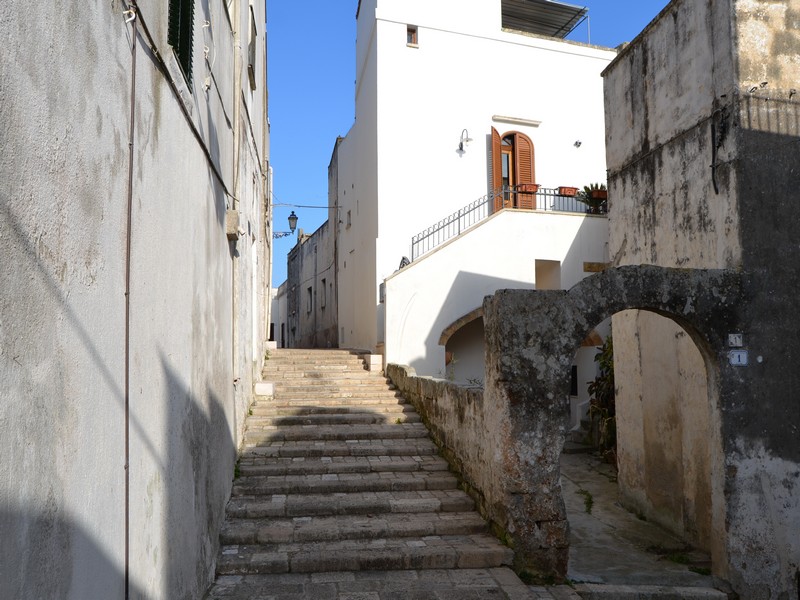
Then you can lose yourself in the narrow streets and the ups and downs of the ancient village of Specchia that already in 2000 he was chosen by director Edoardo Winspeare as the setting for some of the most beautiful scenes of his film “Blood Live”.
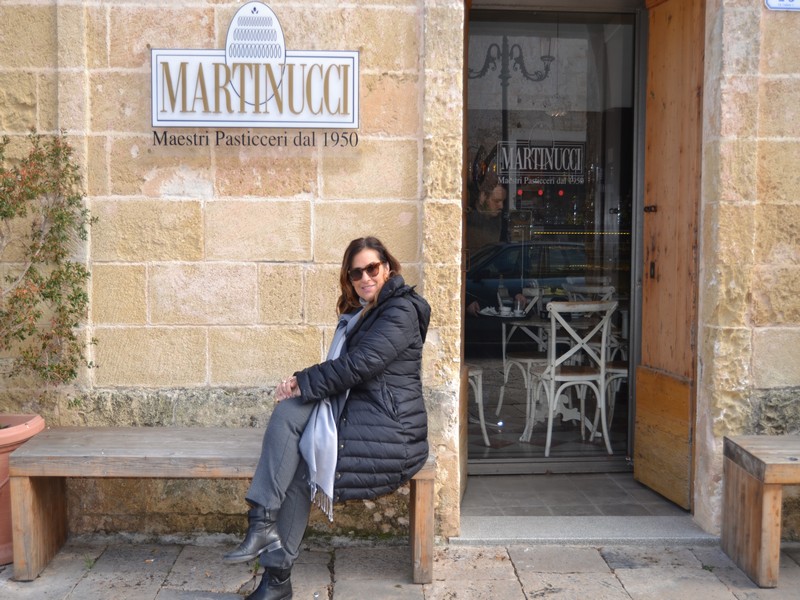
At this point a coffee break with pasticciotto is all there and being in Specchia you can not help but look out from Martinucci that right here in the 50s, with Rocco and Annunziata, began his story by renowned pastry was transformed in the sixties and seventies in a chain with several outlets to date with even online shop.
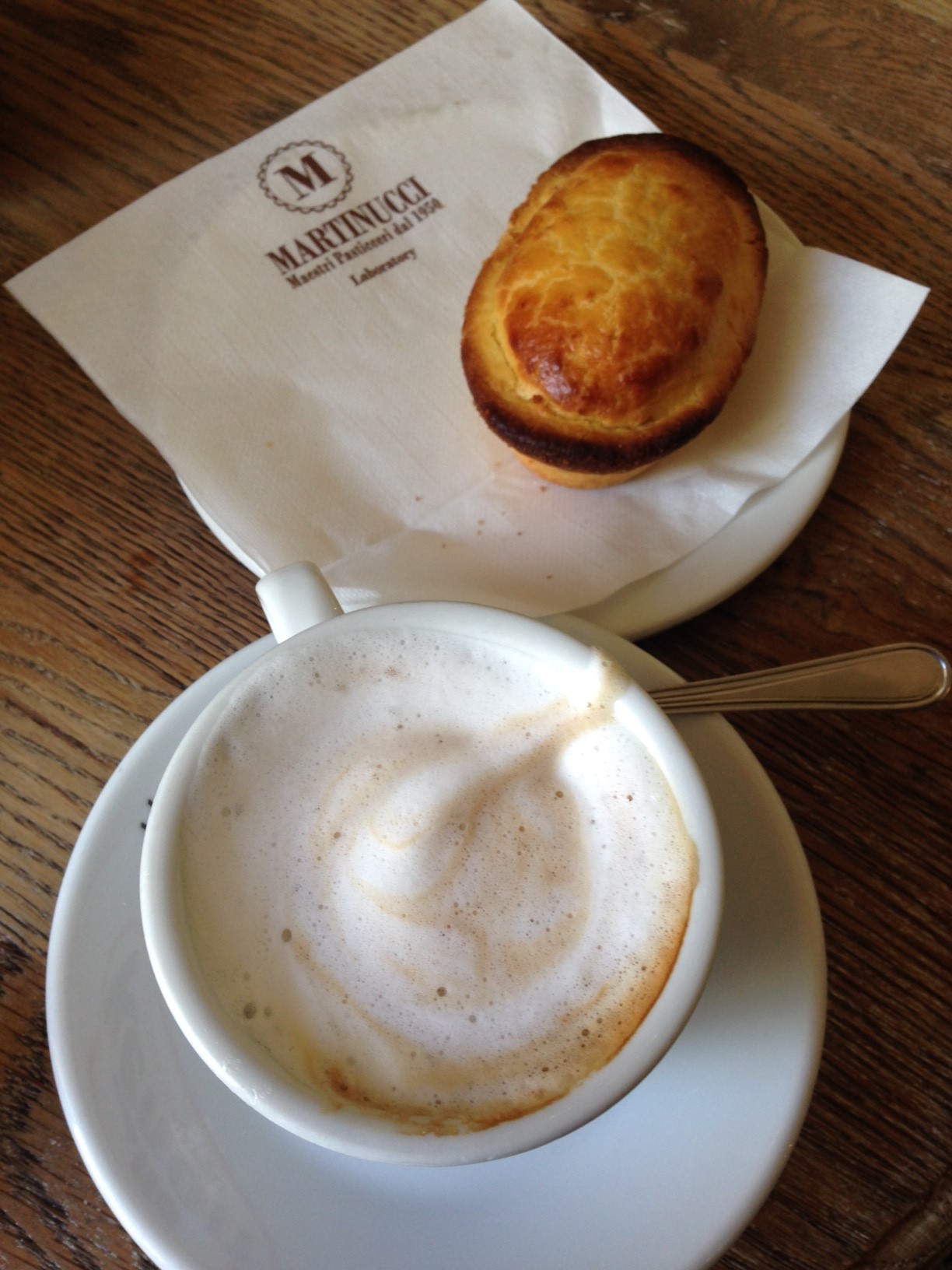
Specchia also boasts another excellent name for the Italian pastry that is to Giuseppe Zippo, owner of “Le Mille voglie” that, last September, during the event “Panettone Day” in Milan has been awarded as the “Best Traditional Panettone 2016”: but this sweet story will be discussed in our next post in the section “Buongusto”.
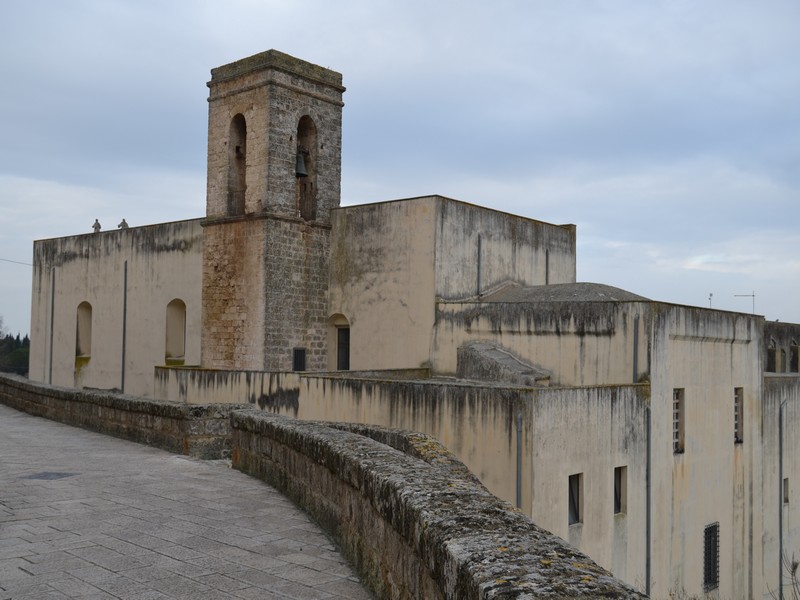
After this tasty interlude we can resume our walk down towards the Convent of the Franciscan Blacks whose construction goes back to the tradition that St. Francis, returning from the East, has passed from here and was so fascinated by the scent of orange trees to predict the birth in the same place of a convent.
Inside the remarkable frescoed chapel of St. Catherine, the crypt supported by 36 columns reminiscent of those of Otranto and Bari and underground oil mill with its large Calabrian presses.

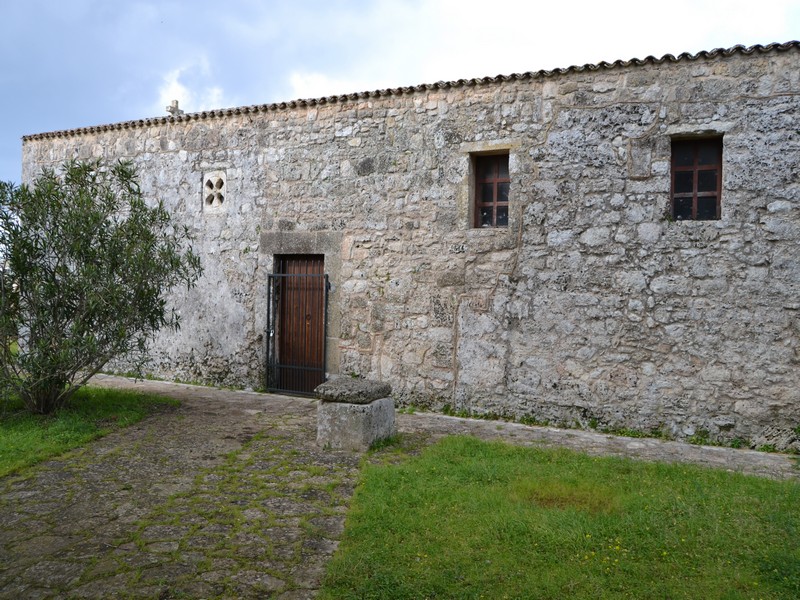
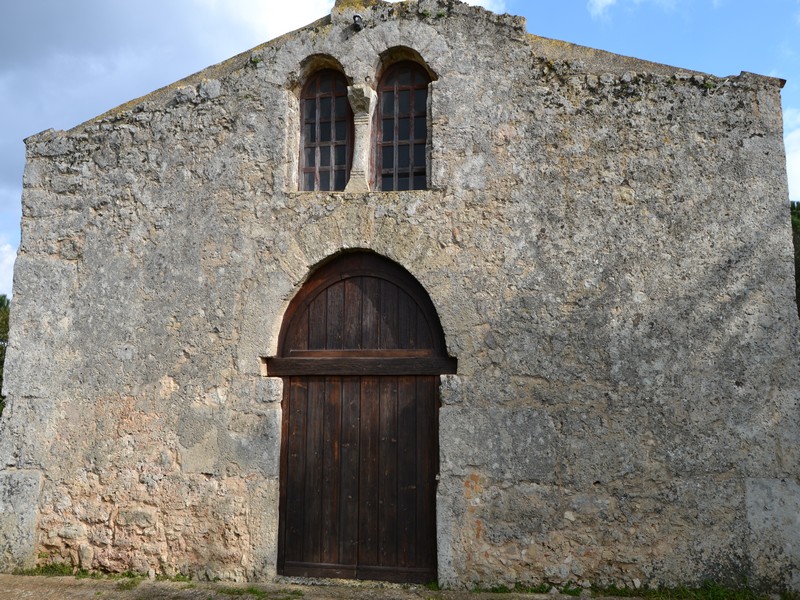
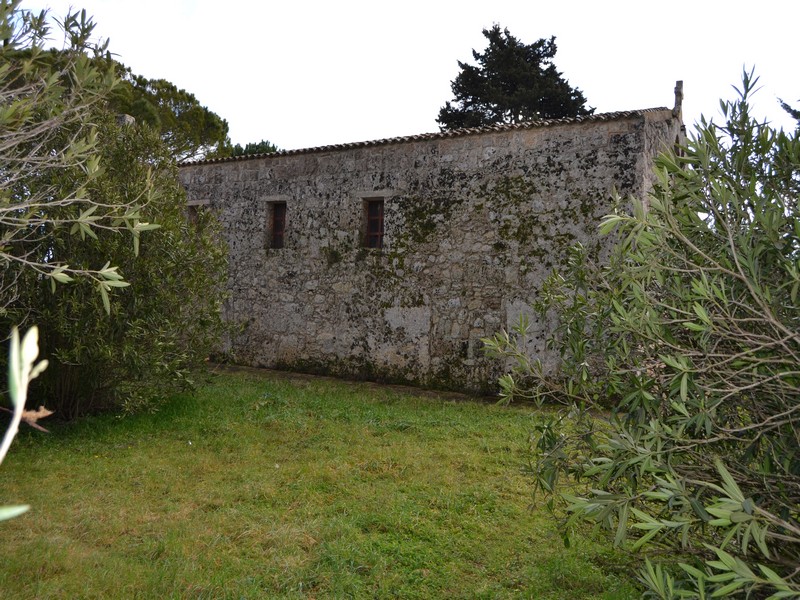
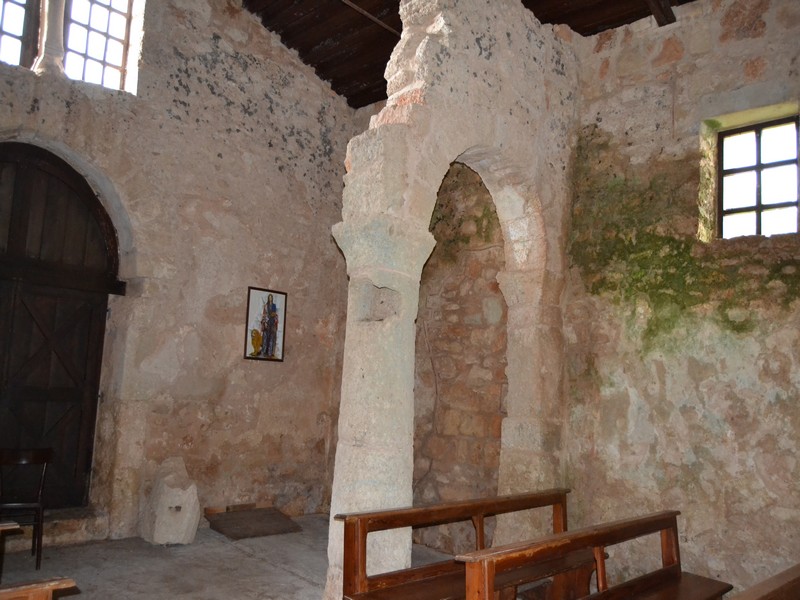
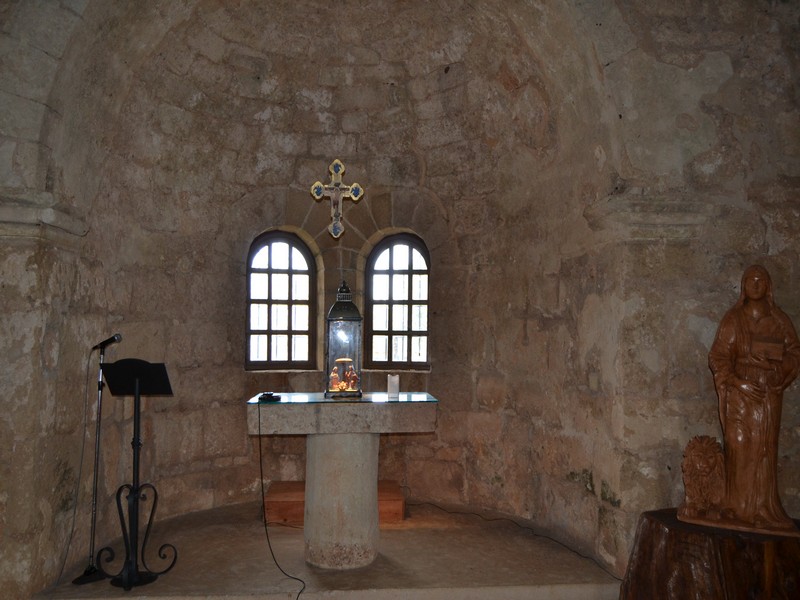
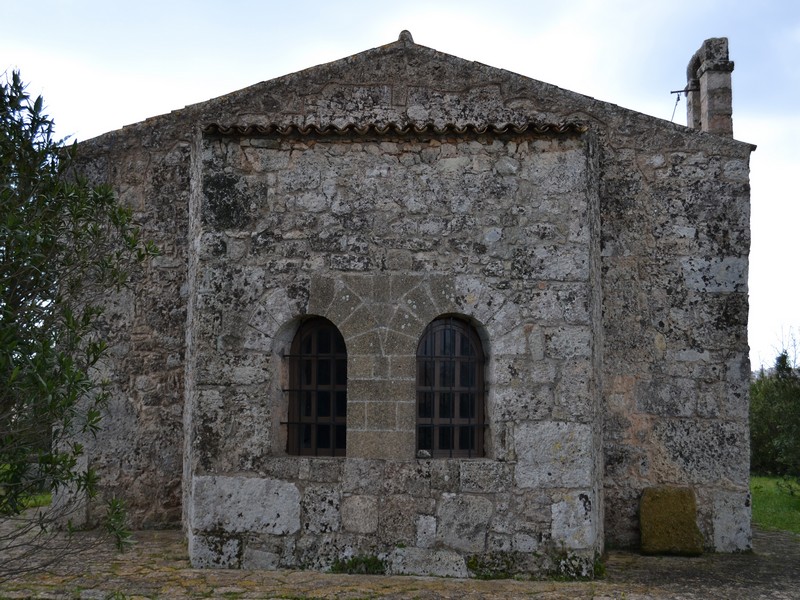
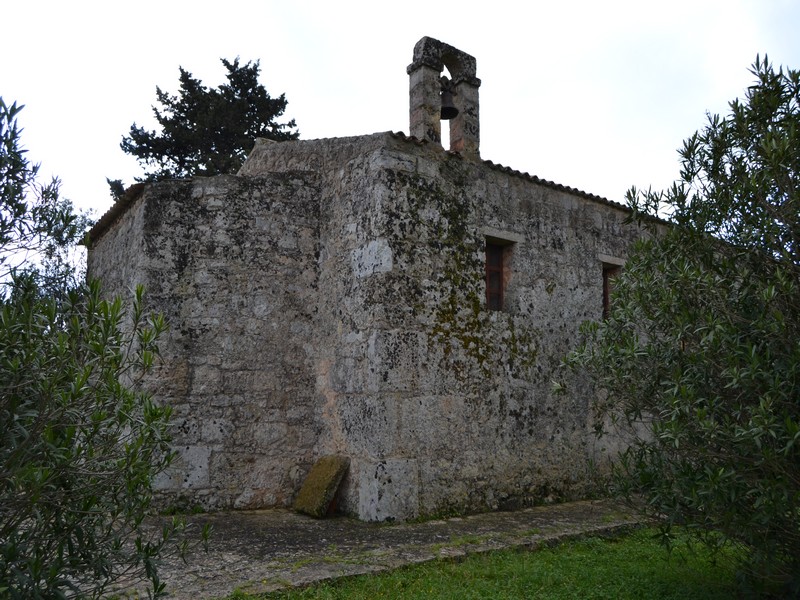
Before leaving the city, must go by the church of St. Euphemia dating from the medieval period and is of greek rite with the apse facing east. In the visit we were accompanied by the president of the association that deals with the structure and the adjacent pine grove, Mr. Valente, who outlined the restoration work that have returned to the church a part of its former glory. Unfortunately they went totally lost wall paintings, still present until the sixties, while some elements such as the semicircular apse inside and polygonal on the outside, recall clear Byzantine origins that unite the history of the small church to that of San Giovanni of Patù, Centoporte in Giurdignano and San Donato in Taurisano, all defined by a clear influence of the Empire of Constantinople on the meaning of art, architecture and religion.