


“We are lands of passage, our history comes from geography”, This phrase by Erri De Luca brushes us for Italians in general, but it is even more true when referring to the people of Salento. And, of course, the immediate reflection of this is the countries, a hundred and not counting the innumerable fractions, dotting all the heel of our Peninsula.
Our history comes from geography
On our last trip we have been in two small towns not far from Salento’s capital, Caprarica di Lecce and Vernole. The first one lies close to that particular territory that is located to the south of Lecce which is called Grecìa Salentina and of which we have already partly told you (https://www.cittameridiane.it/viaggio-in-grecia/).
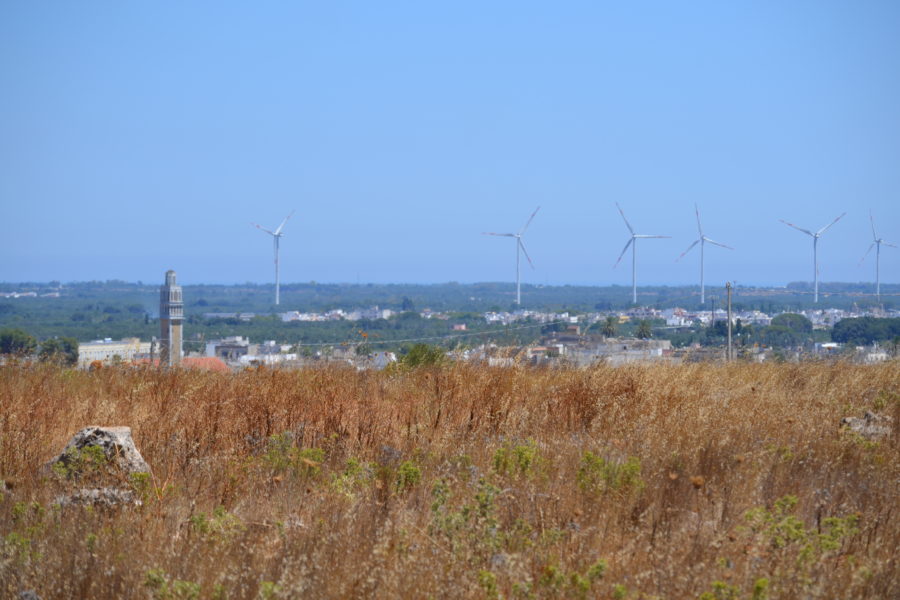
Caprarica makes its name from goat-rich; In fact, in the past the main activity of its inhabitants was the goat farming and its milk production. The area around the small town has been inhabited since the Bronze Age and is witnessed by the largest settlement in Salento, about 3000 years ago, on the Serra di Galugnano, where today’s traces of the ancient walls and road.
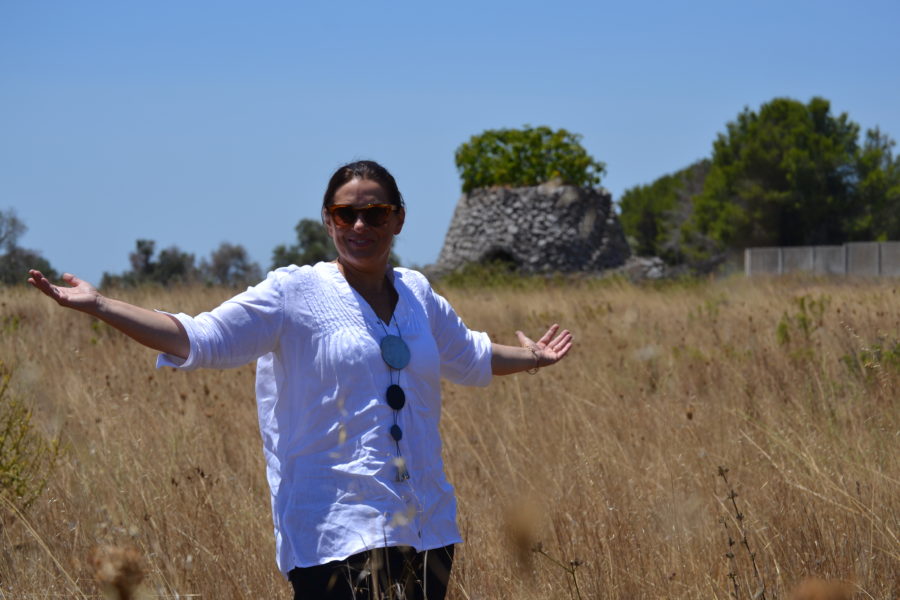
Here extends for 12 hectares of Kalòs, the Archeodrome of Salento, Italy’s largest open-air museum. But what is an archeodrome? It is a museum where the stages of human life have been reconstructed from prehistory to our day. It is divided into six sections: the Protostoria, the Bronze Age Village, the Messapian City, the Romans, the Medieval Village and the Peasant Civilization. Scientific partner of the park is the School of Specialization in Classical and Medieval Archeology of the University of Salento. In the park you can take guided tours, workshops, experimental archeology, guided by specialized and professional operators.
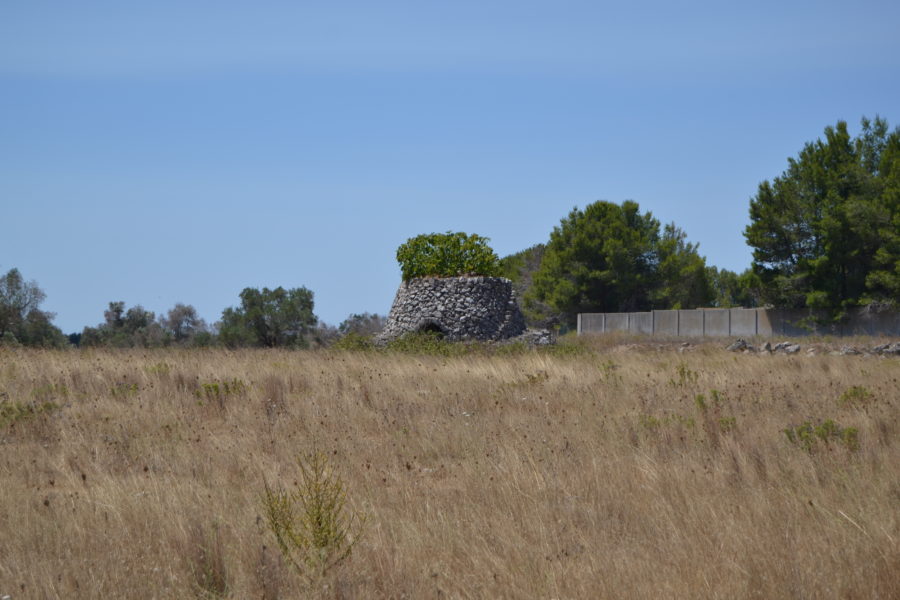
And, not to be missed, you enjoy a view that spans the countryside all around which deserves, warm allowing, a nice walk.
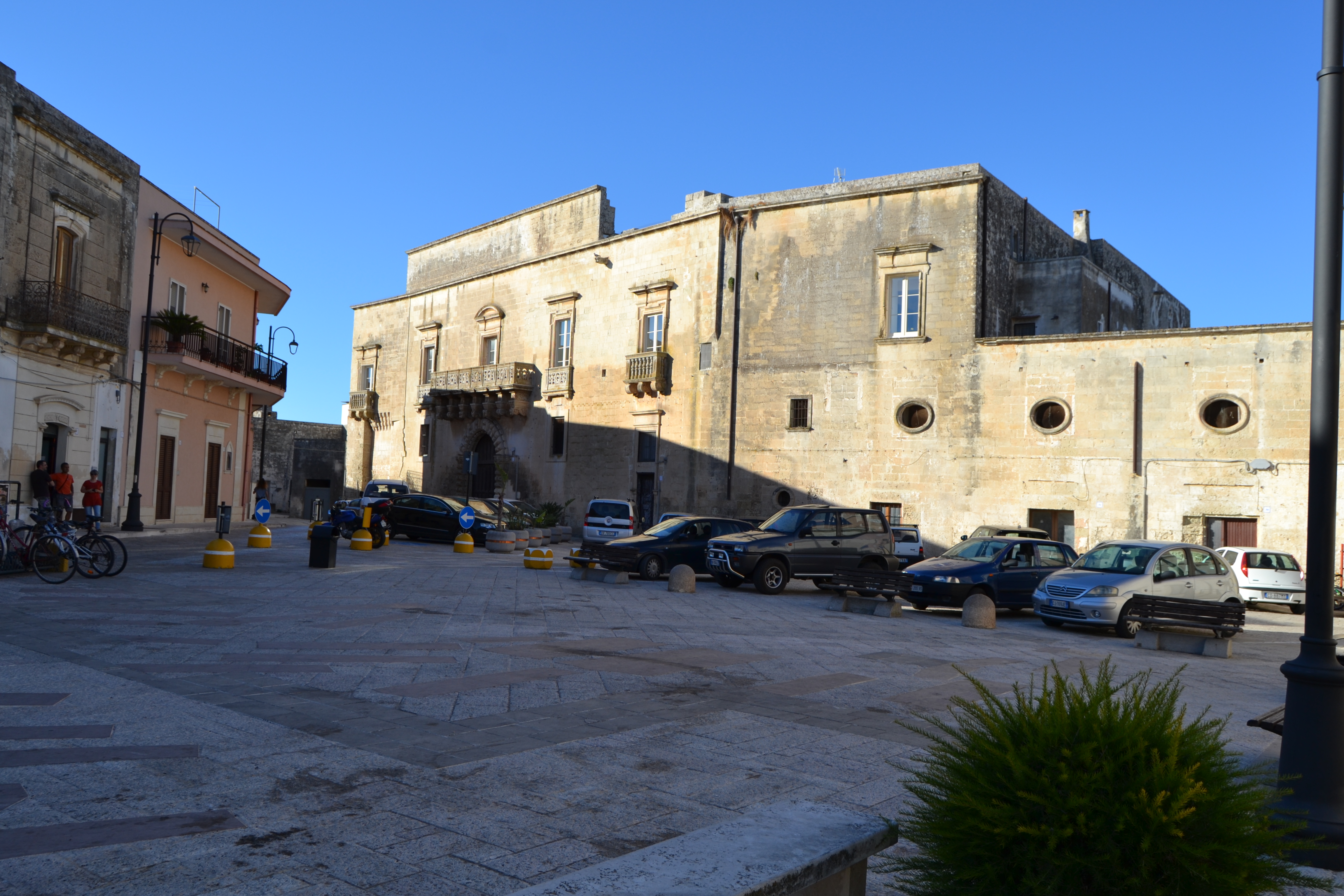
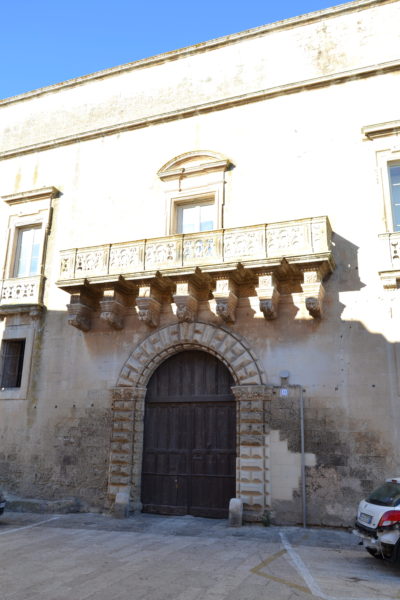
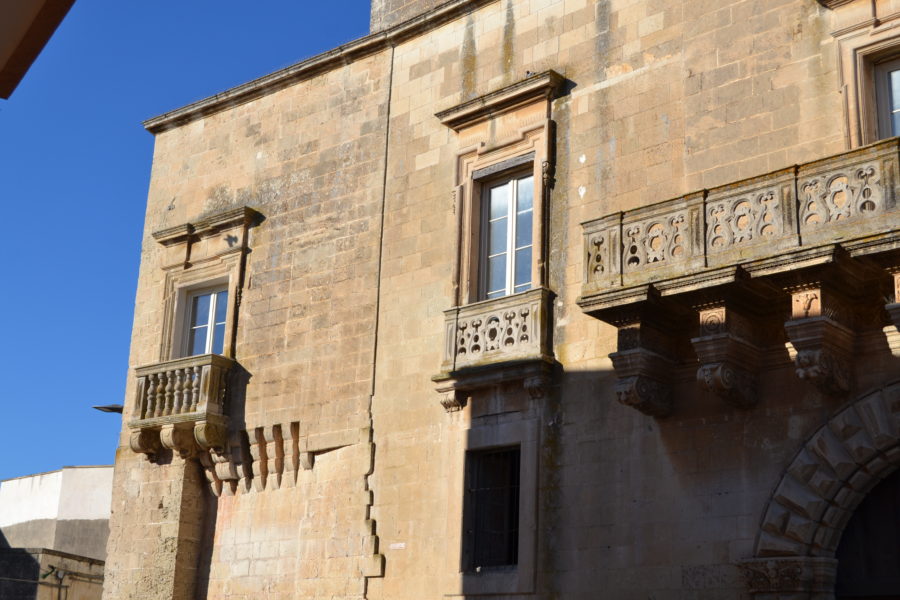
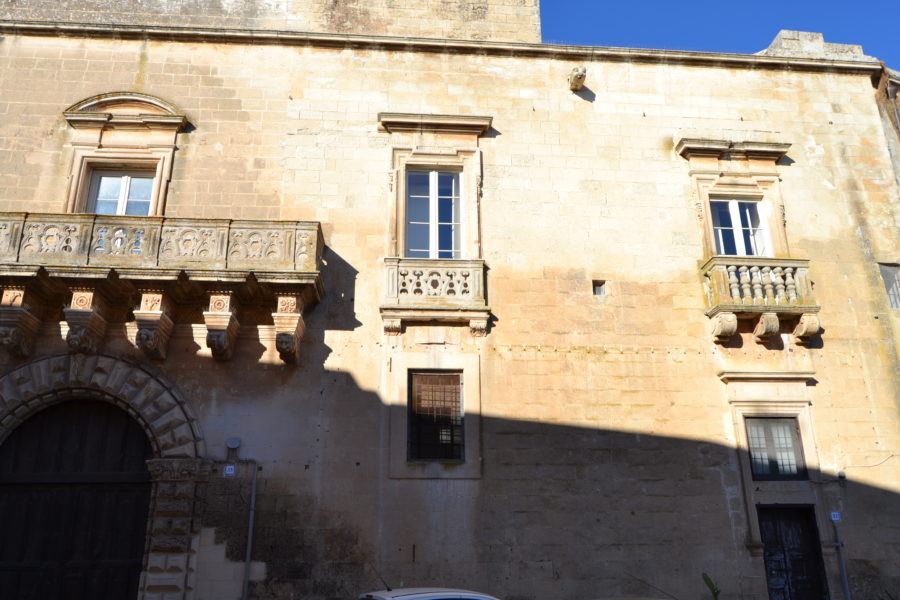
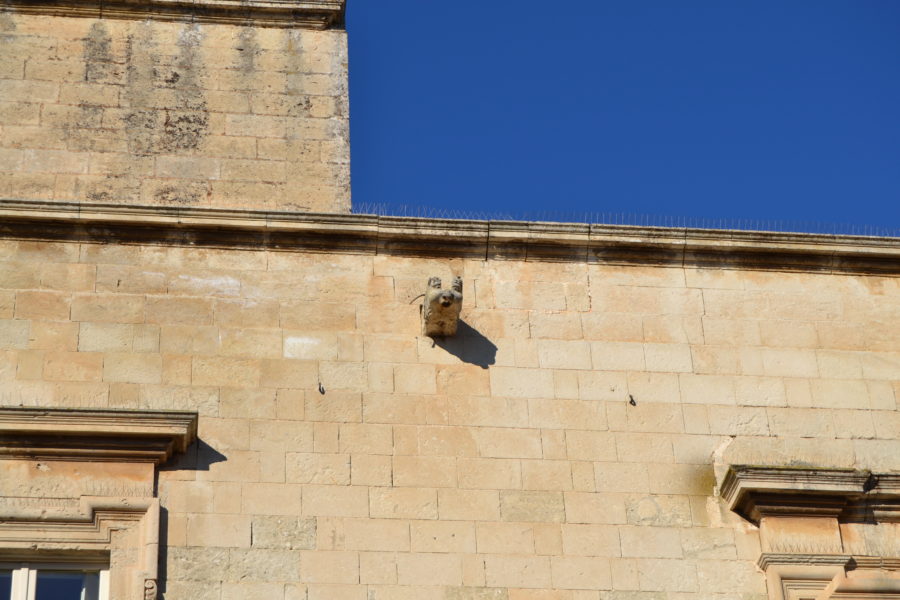
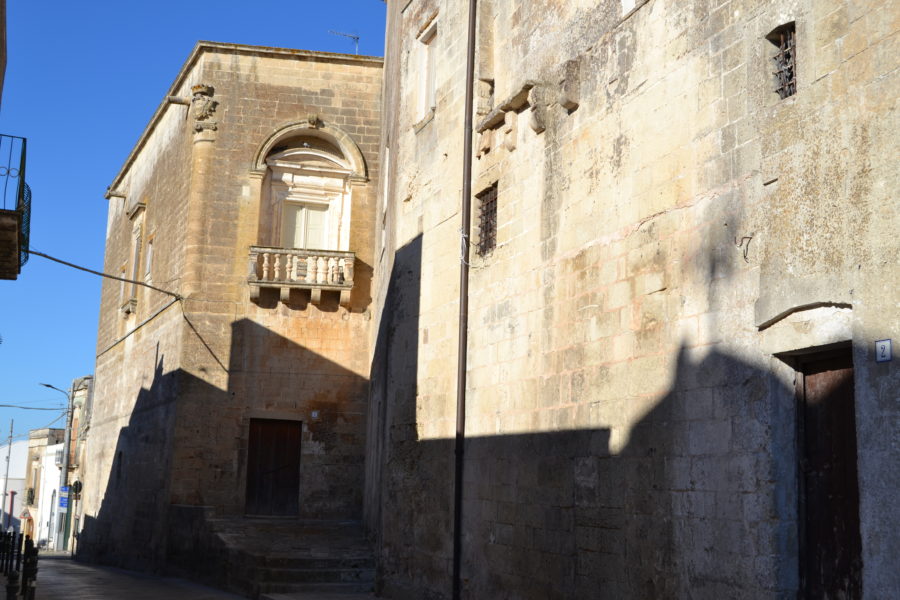
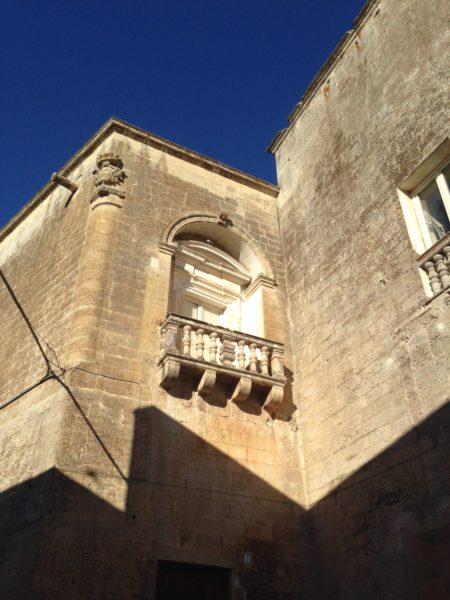
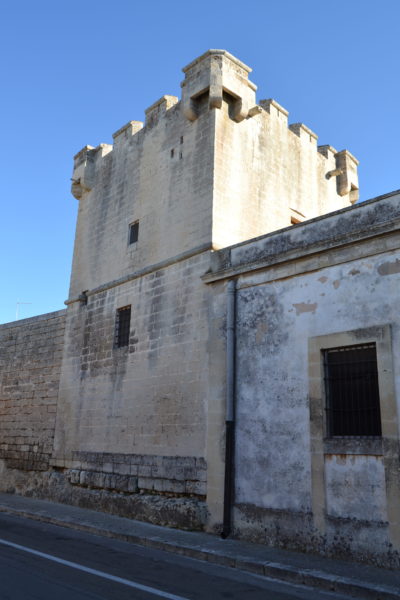
Caprarica’s fiefdom belonged both to the Contea of Lecce and to the Principality of Taranto and went hand in hand from the Brienne to the Orsini del Balzo and following to other noble families until the last gentlemen of the country who were the Marchesi Giustiniani the family to which is owed Baronale palace that majestic, dominates the graceful main square of the village.
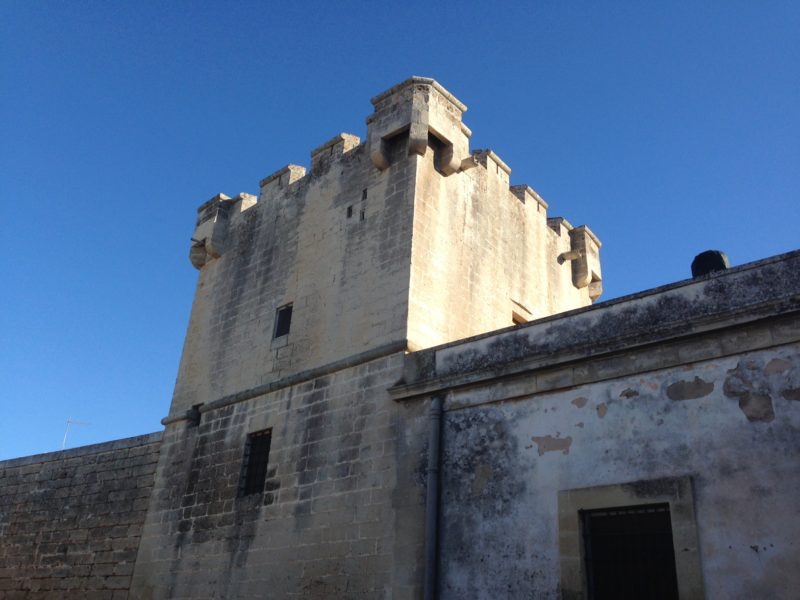
In fact, the first fortified structure dates back to the Norman period (XII century) and consisted of two towers, one of which is still visible.
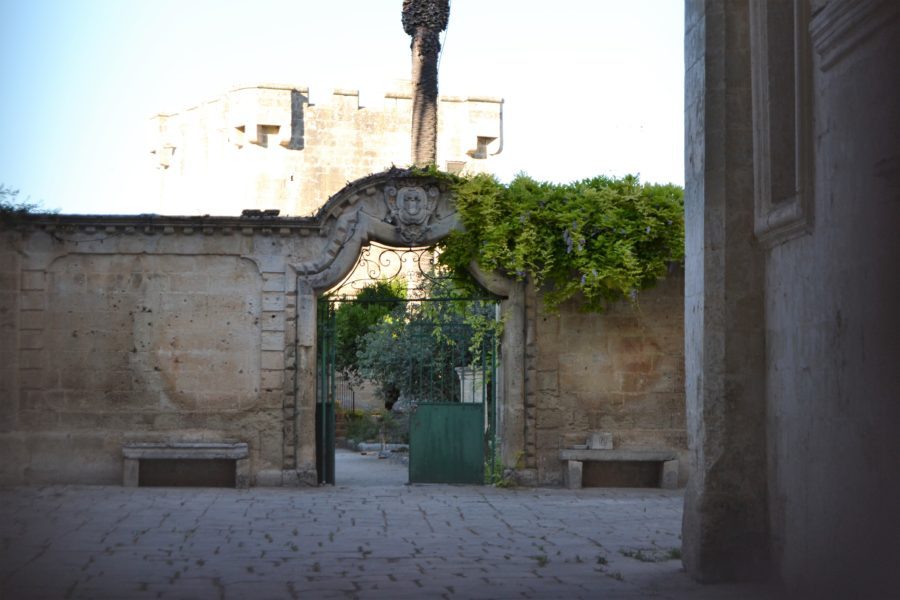
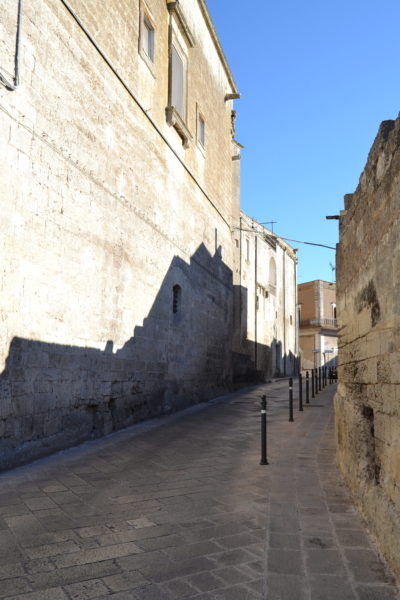
By peering through a small opening in the imposing and stiff portal you can see the central courtyard from which through a stairway you reach the upper floor. Too bad it could not have been to visit the many rooms as the palace is private and inhabited by the Greco family. Among the legends surrounding each manor that is respected there is that between the walls of the palace there is a trajectory called “trabuccu”, which opened on a well on whose bottom were pointed lances facing upwards. It is not the only legend associated with the town. It is said that in Caprarica they took refuge the inhabitants of the nearby town of Roca, plundered and ransacked by the Turks in conjunction with the siege of Otranto.
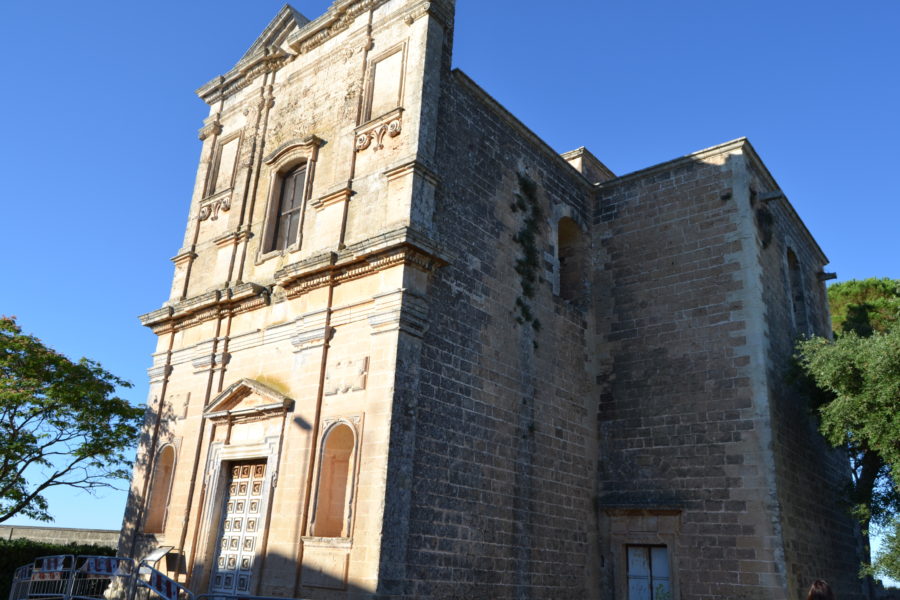
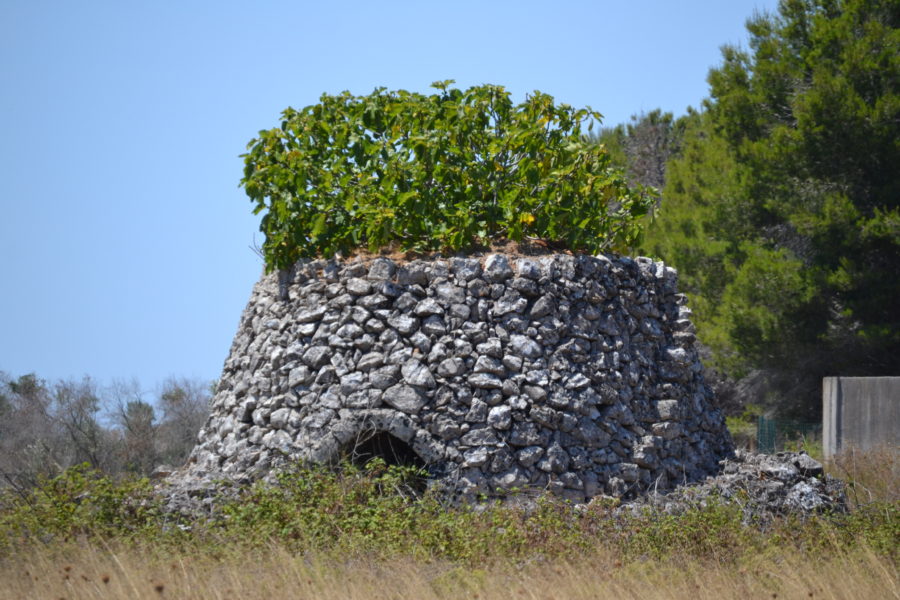
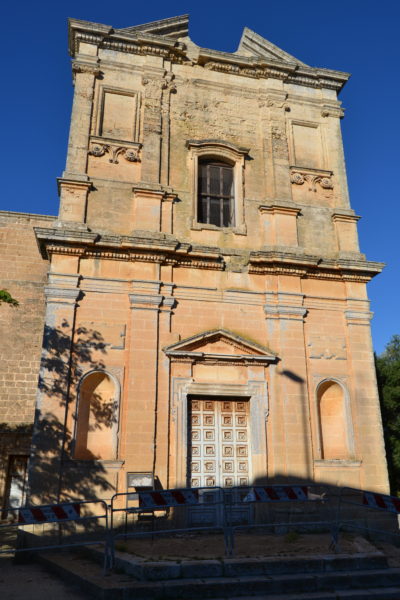
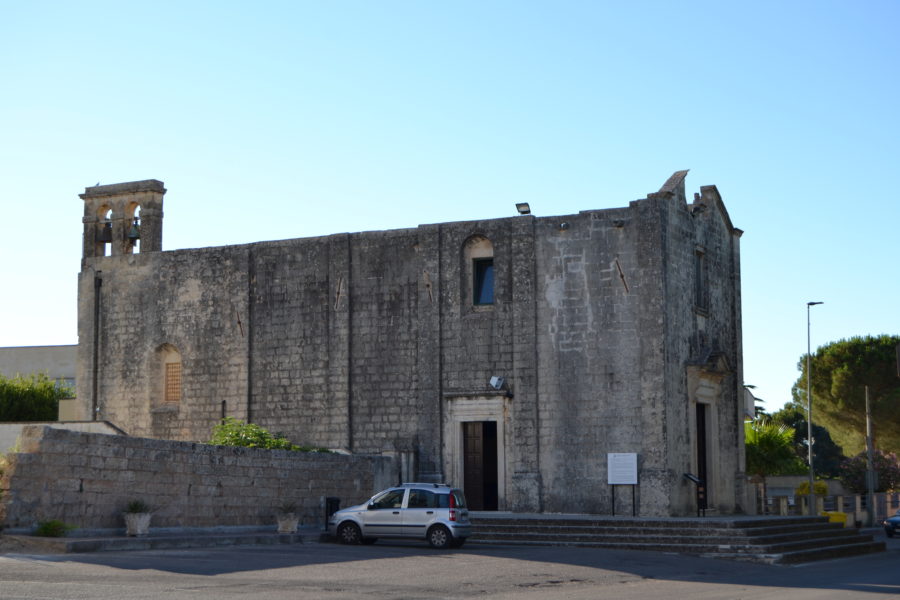
Before leaving Caprarica, a visit to the Church of the Crucifix erected by the Marquis Fabiano Giustiniani in 1701 and now belonging to the heirs of the Greco family, the same one of the Baronale Palace, and the Church of the Madonna del Carmine which houses the altars dedicated to the Madonna of Carmine, Santa Lucia and San Marco, and once composed of local carparo stone embedded in Lecce stone, while the apse has precious bows where the above mentioned materials alternate.

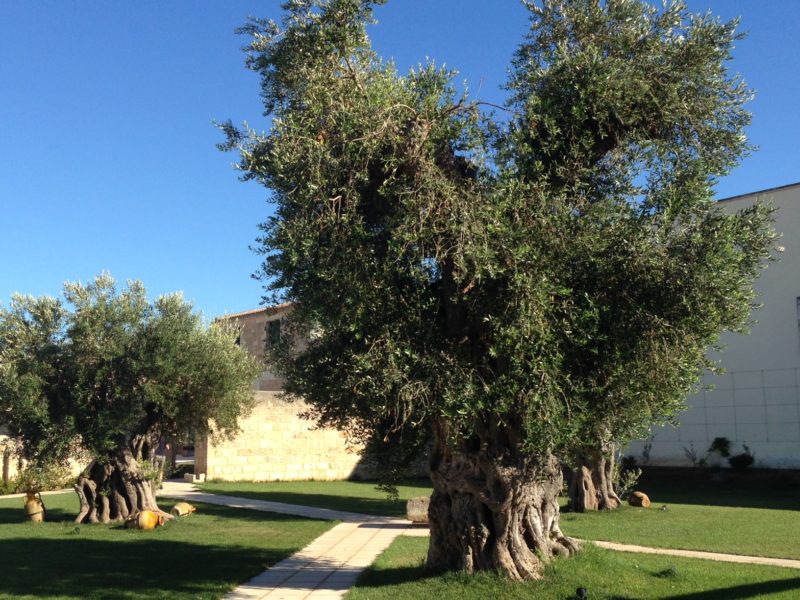
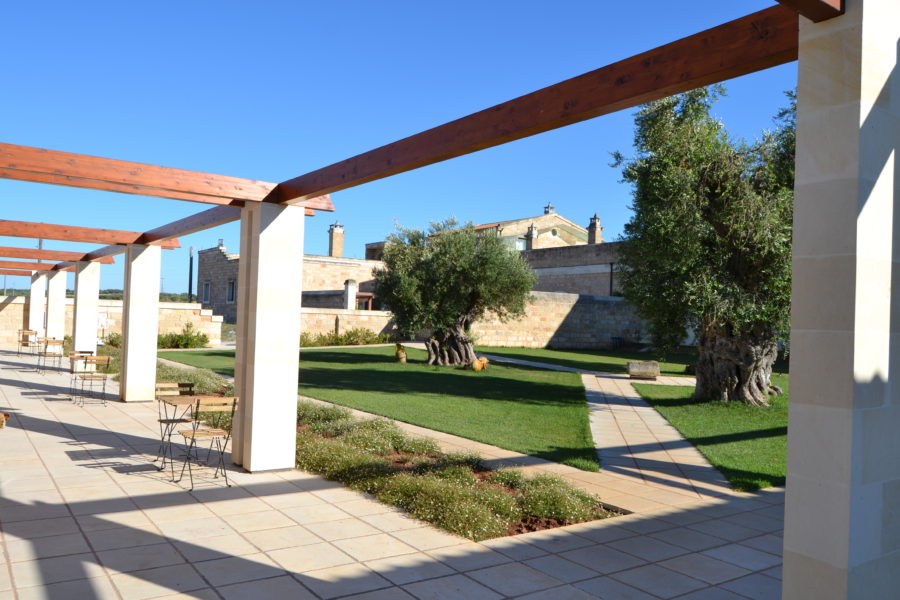
At the end of the day you can relax in one of the 20 tastefully furnished rooms and immersed in the Salento countryside of Masseria Stali (Agriturismo Masseria Stali Via Cisterna Vecchia, Caprarica di Lecce – +39 349 7439463 – www.masseriastali.it – info@masseriastali.it) after a dinner party based on the simple and genuine products of the organic farm whose eyeball is organic extra virgin olive oil, to be sampled on freshly baked bread from the oven, made with mother’s yeast and wheat flour and spelled locals. The menu is on paper, seasonal and with always new and original dishes that follow a single rule, that of nature.